第 4 章 - Additional Information
來源 PDF 頁碼: 30-31
目錄
4.1 Enforce Causality / D-Sarkar Model
設定 material Dk 與 Df 時需要考慮 causality。Dk 與 Df 並非在所有 frequency 下都維持固定,因此來源文件要求在 Clarity 3D Layout 的 stackup material flow 中勾選 Enforce Causality。
D-Sarkar Model(Djordjevic-Sarkar Model)是一種 causal material model。來源建議提供一個以上的 reference value;即使只有單一 reference value,仍可進行 simulation。
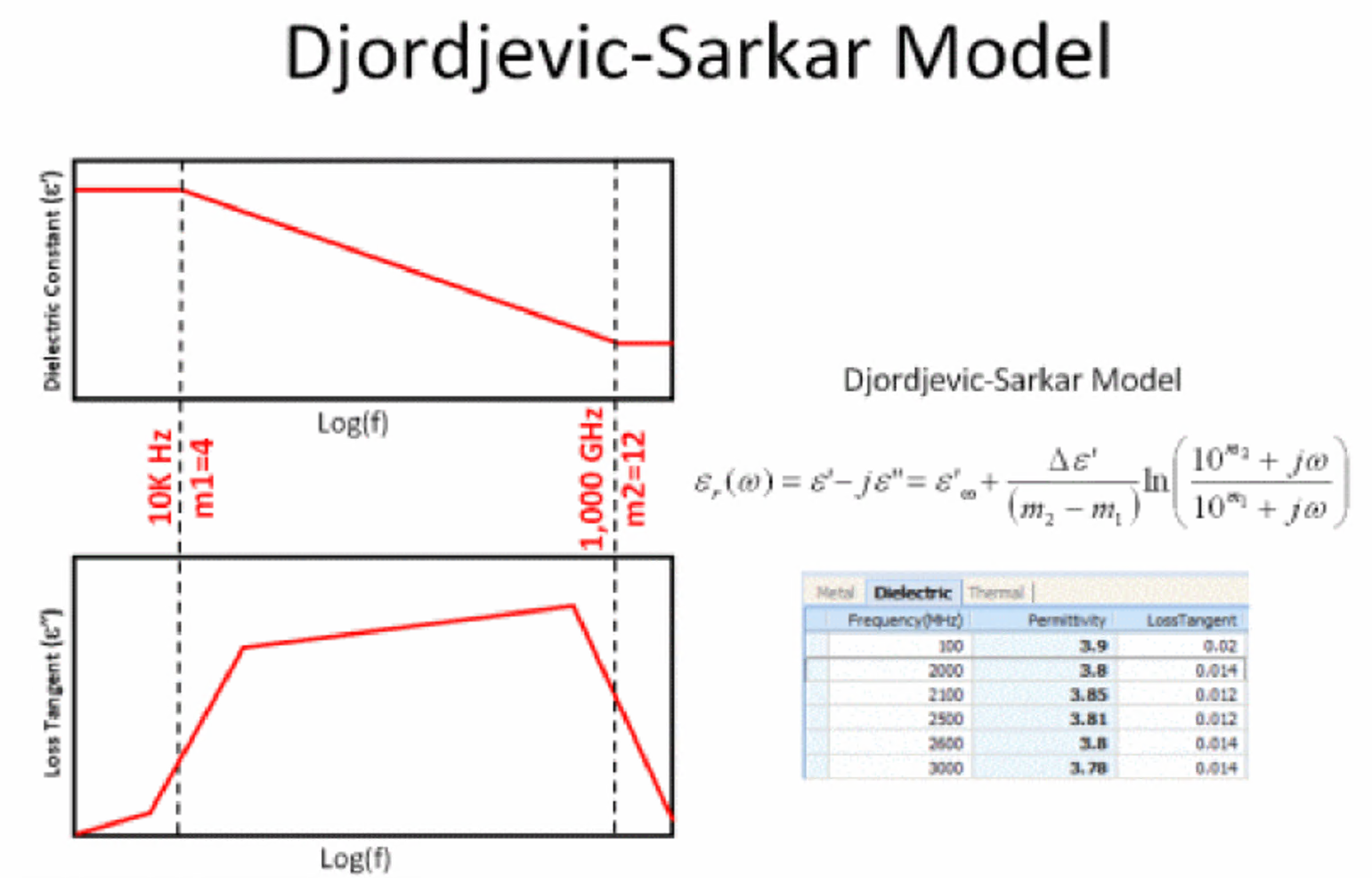
圖 4.1:Djordjevic-Sarkar Model
4.2 Huray Model
實際 conductor surface 並非 perfect plane,即使使用先進製程仍會存在 roughness。以 copper trace 為例,顯微表面可看到顆粒狀的 surface structure。
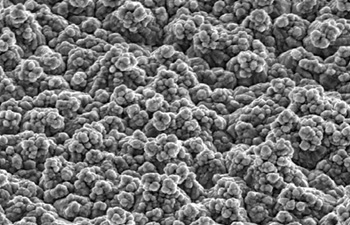
圖 4.2:Copper surface 的顯微結構
來源以 snowball model 描述這類 surface roughness,因此需要定義:
- 每個 snowball 的 radius。
- 單位面積(來源以 hexagon 表示)相對於 snowball surface area 的 ratio。
這也是第 2 章 Surface Roughness Library 中使用 Huray Model 時,需要設定 Snowball Radius 與 Surface Ratio 的原因。
4.3 Computer Resources Options
第 2.6 節的 default flow 可不勾選任何 option;以下情境可依需求使用:
| Option | 來源說明 |
|---|---|
Auto Resume |
Clarity 會在 current folder 中搜尋同 file name 的 simulation record,來源描述會搜尋 3 次;若找到則繼續 simulation,否則重新開始 |
Resume |
繼續上一次未完成的 simulation;若上次停在 Adaptive frequency sweep,會重新執行該 Converged Percentage |
Final Only |
Simulation 已完成後若要增加或縮小 bandwidth,可勾選此項,使 simulation 跳過 Mesh Iteration step |