Apple, CXMT, and the Coming Repricing of the Global DRAM Market
Apple, CXMT, and the Coming Repricing of the Global DRAM Market
- Source: SemiVision
- Author: SEMIVISION
- Published: 2026-08-11T23:50:44+08:00
- URL: https://tspasemiconductor.substack.com/p/apple-cxmt-and-the-coming-repricing
中文翻譯與英文原文(雙語)
(1) 蘋果、長鑫儲存與全球 DRAM 市場的即將重定價 --- (1) Apple, CXMT, and the Coming Repricing of the Global DRAM Market


Apple, CXMT, and the Coming Repricing of the Global DRAM Market
蘋果、長鑫儲存與全球 DRAM 市場即將到來的重新定價
Original Article By SemiVision Research [Reading time: 8 mins]
原文作者:SemiVision Research [閱讀時間:8 分鐘]

Aug 11, 2026
Share分享
Apple, CXMT, and the Coming Repricing of the Global DRAM Market
蘋果、長鑫儲存與全球 DRAM 市場即將到來的重新定價
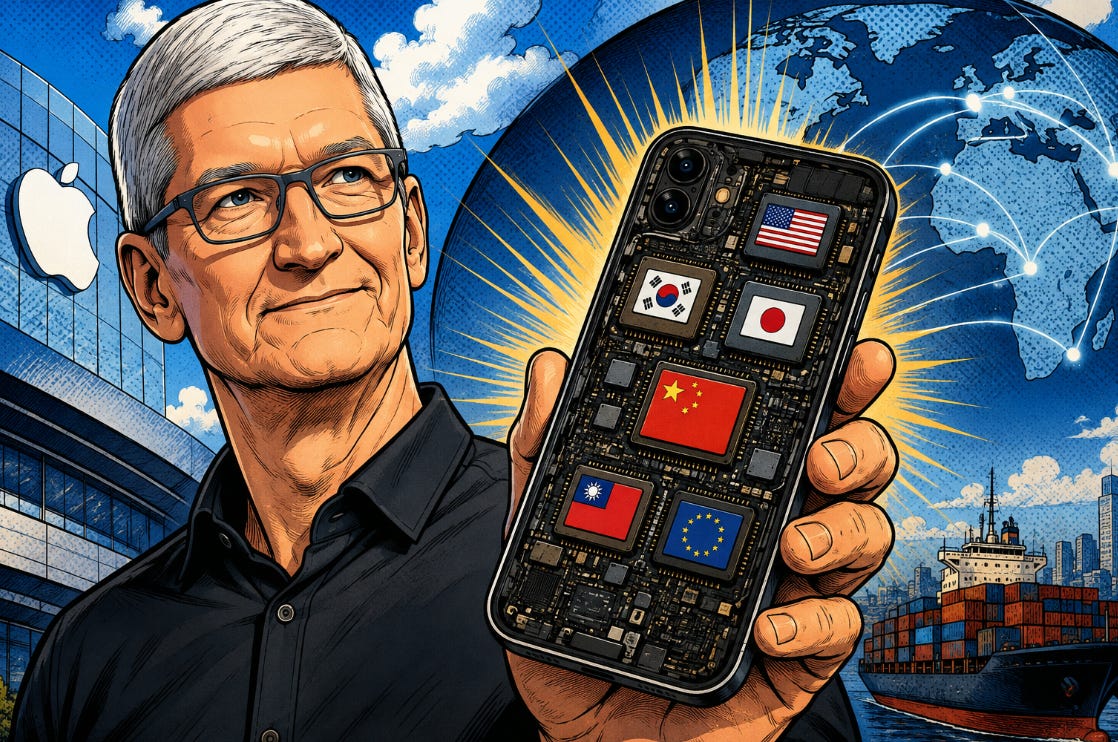
AI is redefining which capacity matters, who controls pricing power, and which suppliers deserve to be qualified again.
人工智慧正在重新定義何種產能至關重要、誰掌握定價主導權,以及哪些供應商值得再次獲得認證。
Over the past two years, the semiconductor narrative has centered on GPUs, HBM, CoWoS, advanced process nodes and high-speed interconnects. By the second half of 2026, however, the resource reallocation triggered by AI is spreading well beyond the highest-end AI components and into conventional DRAM, PCs, smartphones and the broader electronics supply chain.
過去兩年,半導體產業的論述焦點集中在 GPU、HBM、CoWoS、先進製程節點與高速互連技術。然而,到了 2026 年下半年,由人工智慧引發的資源重分配浪潮,已不僅限於最高階的 AI 元件,更擴及傳統 DRAM、個人電腦、智慧型手機乃至更廣泛的電子供應鏈。
On August 9, The Wall Street Journal reported that Apple has been testing DRAM from China’s ChangXin Memory Technologies, or CXMT, across product lines including iPhones and MacBooks. Apple has also reportedly held preliminary discussions with CXMT over potentially using the memory in devices sold in China. Reuters subsequently reported the story while noting that it had not independently verified the discussions and that neither Apple nor CXMT had publicly commented.
《華爾街日報》於 8 月 9 日報導,蘋果公司已在其產品線(包括 iPhone 與 MacBook)中測試中國長鑫儲存技術公司(CXMT)生產的 DRAM。據報蘋果亦已與 CXMT 進行初步洽談,探討在銷售於中國的裝置中採用該記憶體的可能性。隨後路透社也轉載此消息,同時指出該報導未經獨立查證,且蘋果與 CXMT 均未公開回應。

7月28日7 月 28 日
At first glance, this looks like another Apple supply-chain diversification story.
乍看之下,這似乎又是另一則關於蘋果供應鏈多元化的故事。
It is much more important than that.
這遠比表面看來更為重要。
The real signal is that the global DRAM market, long dominated by Samsung Electronics, SK hynix and Micron, is beginning to face a fourth supplier with sufficient scale, product maturity and customer qualification to influence how buyers negotiate.
真正的訊號在於,長期由三星電子(Samsung Electronics)、SK hynix 和美光(Micron)主導的全球 DRAM 市場,正開始面臨第四家供應商的崛起;該供應商具備足夠的規模、產品成熟度與客戶認證資格,足以影響買方的談判策略。
In other words:換言之:
The issue is not how much DRAM Apple will buy from CXMT tomorrow. The issue is how the existence of CXMT changes the pricing behavior of everyone else.
問題不在於蘋果明天將向長鑫儲存(CXMT)採購多少 DRAM,而在於 CXMT 的存在如何改變其他所有廠商的定價行為。
SEMIVISION @_@ 是一份由讀者支持的出版物。若要接收最新文章並支持我的工作,歡迎考慮成為免費或付費訂閱者。
Why Apple Is Looking at CXMT Now
為何 Apple 現在關注 CXMT
The primary motivation is increasingly about supply certainty rather than simply lower prices.
主要的動機日益著重於供應的確定性,而不僅僅是更低的價格。
AI infrastructure is absorbing enormous amounts of HBM, server DRAM and high-value storage. Micron has said that pricing and volume agreements for its entire calendar-2026 HBM supply were already completed, while tight memory supply-demand conditions could extend beyond 2026. SK hynix’s latest results likewise show that HBM, AI-server DRAM and enterprise SSDs have become central drivers of revenue and profitability.
AI 基礎設施正吸收大量的 HBM、伺服器 DRAM 和高價值儲存產品。Micron 表示,其 2026 全年 HBM 供應的定價與數量協議已經完成,而記憶體供需緊縮的情況可能延續至 2026 年以後。SK hynix 的最新財報同樣顯示,HBM、AI 伺服器 DRAM 和企業級 SSD 已成為營收與獲利的主要驅動因素。

7月24日7 月 24 日
HBM capacity is not directly interchangeable with LPDDR or commodity DDR5 on a one-for-one basis. Nevertheless, the economics of the memory manufacturers have clearly changed.
HBM 產能無法與 LPDDR 或標準型 DDR5 以一對一方式直接互換。然而,記憶體製造商的經濟結構已明顯改變。
Capital, engineering resources, wafer allocation and technology migration are increasingly being directed toward products that generate the highest return per wafer.
資本、工程資源、晶圓配置及技術遷移,正日益導向每片晶圓報酬最高的產品。
For Apple and other high-volume OEMs, the procurement question is therefore shifting from:
因此,對 Apple 及其他大量生產的 OEM 廠商而言,採購決策的重點已從:
Who offers the cheapest DRAM?
誰提供最便宜的 DRAM?
to:致:
Who can guarantee the volume I need next year?
誰能保證我明年所需的產量?
That distinction matters.
這一區別至關重要。
Interestingly, recent reporting suggests that CXMT is not necessarily competing through aggressive discounting. Under current tight supply conditions, some CXMT memory products have reportedly been priced close to — and in some cases above — comparable products from Samsung, SK hynix and Micron.
有趣的是,近期報導指出,CXMT 未必是透過激進降價來競爭。在當前供貨緊俏的情況下,據報 CXMT 的部分記憶體產品定價已接近——甚至在某些情況下高於——三星、SK hynix 和美光等公司的同類產品。
That makes Apple’s interest even more revealing.
這使得蘋果的興趣更顯露深意。
The strategic value of CXMT may be less about low-cost Chinese DRAM and more about optionality, resilience and procurement leverage.
CXMT 的戰略價值,與其說是提供低成本的中國 DRAM,不如說在於其帶來的選擇彈性、供應鏈韌性與採購議價能力。
CXMT Is No Longer Just a Chinese Substitution Story
CXMT 已不再只是「中國替代方案」的故事
CXMT itself has also changed.
CXMT 本身也已發生轉變。
Its IPO prospectus shows a product portfolio that now includes DDR5 and LPDDR5/5X. The company says DDR5 has entered mass production for server and PC applications, while production of its own DDR4 products ceased after the end of 2024 as the company migrated toward newer generations.
其 IPO 招股說明書顯示,產品組合現已涵蓋 DDR5 與 LPDDR5/5X。該公司表示,DDR5 已進入伺服器與 PC 應用的量產階段;同時,隨著公司轉向新一代產品,其自有 DDR4 產品的生產已於 2024 年底停止。
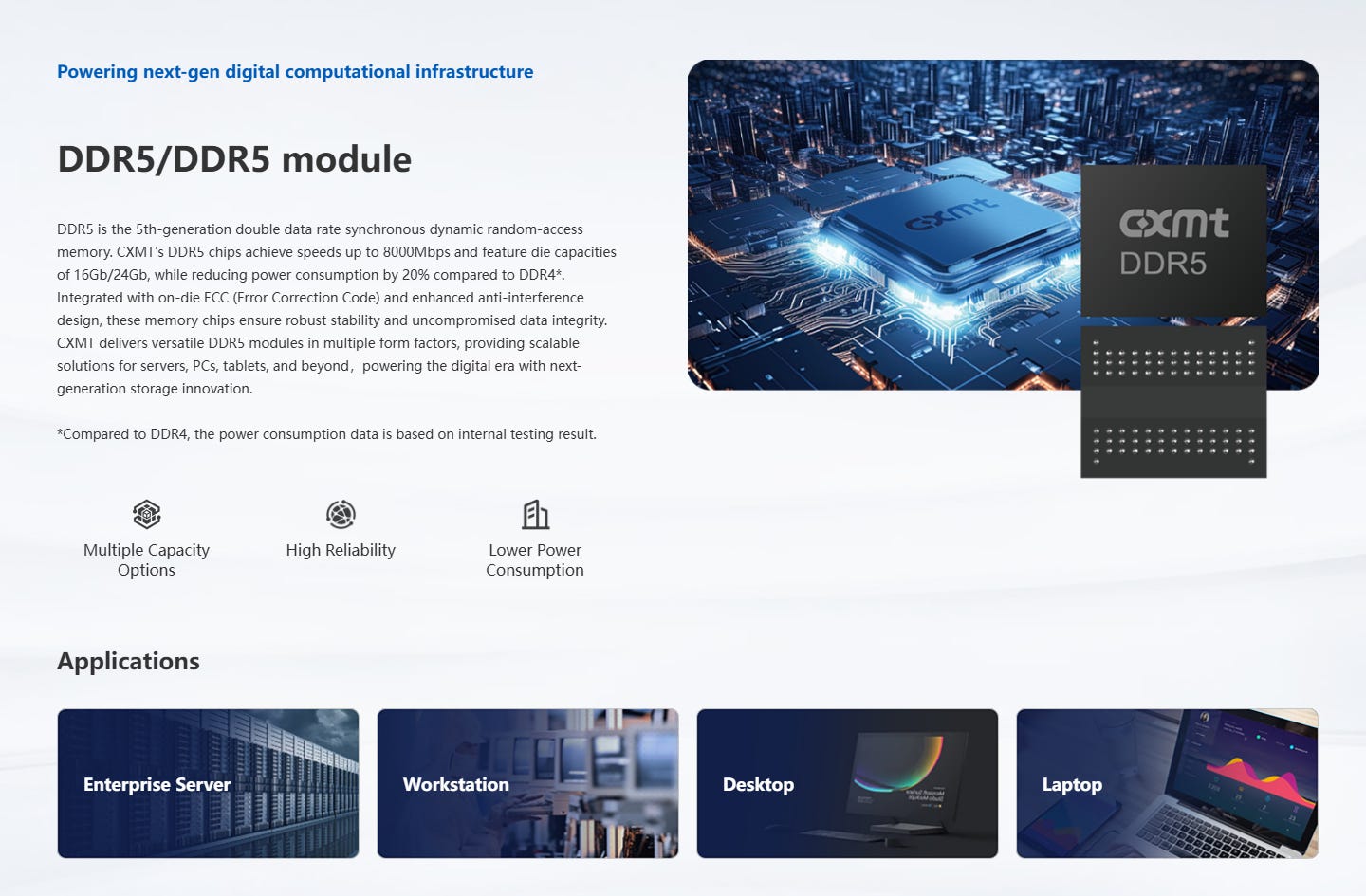
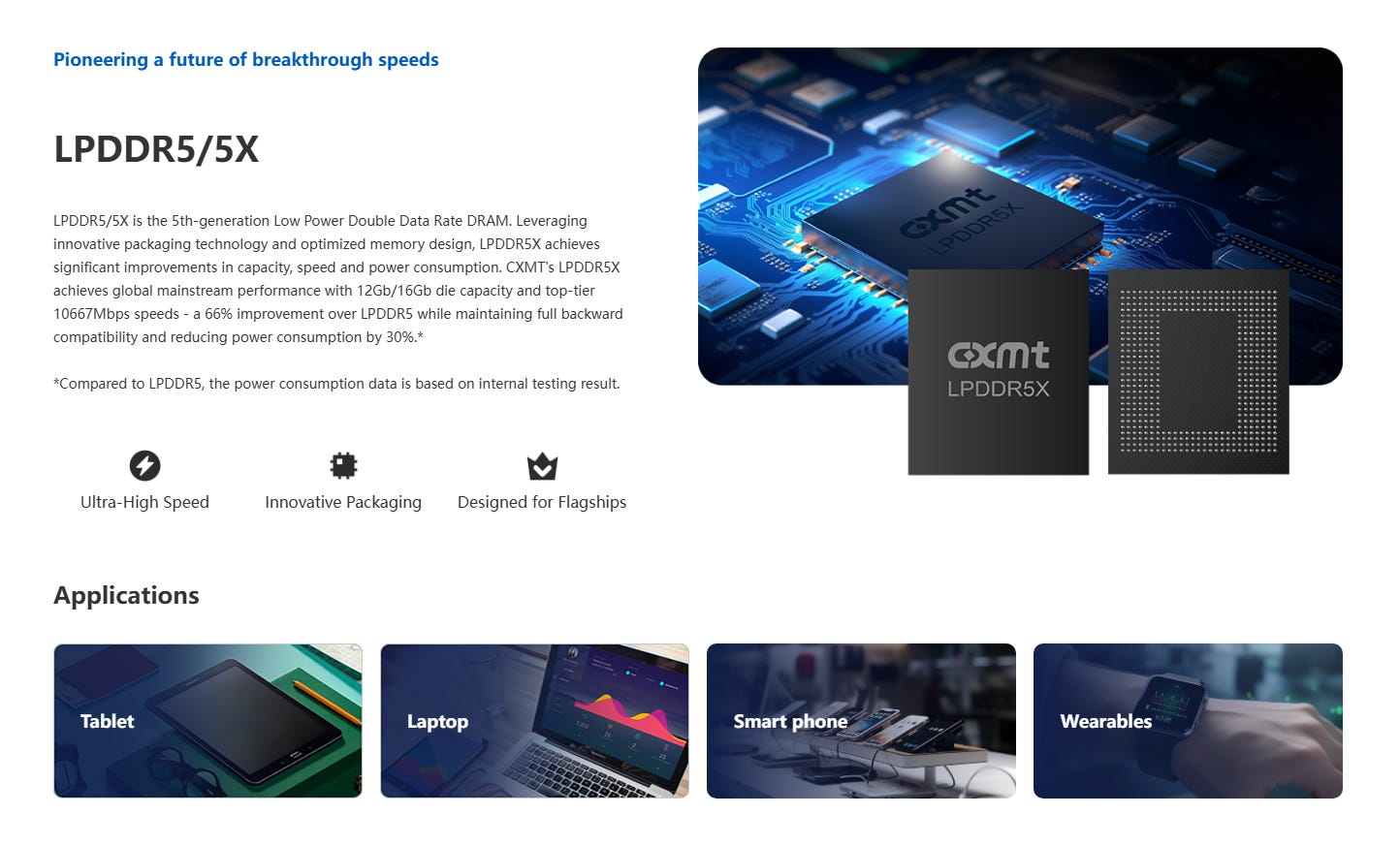
The filing also identifies customers including Alibaba Cloud, ByteDance, Tencent, Lenovo, Xiaomi, Transsion, Honor, OPPO and vivo, and states that LPDDR5, DDR5 and LPDDR5X entered mass production in 2023, 2024 and 2025, respectively.
該文件亦列出包括阿里雲、字節跳動、騰訊、聯想、小米、傳音、榮耀、OPPO 及 vivo 在內的客戶,並指出 LPDDR5、DDR5 與 LPDDR5X 已分別於 2023 年、2024 年及 2025 年進入量產階段。
The question is therefore no longer whether China can manufacture DRAM.
因此,問題已不再是中國能否製造 DRAM。
The more relevant question is:
更相關的問題是:
Can a Chinese DRAM producer become a credible member of the qualification pool for Tier-1 global OEMs?
中國的 DRAM 生產商能否成為全球一級 OEM 廠商合格供應商名單中可信賴的一員?
Recent reports suggest that HP, Acer and, according to Nikkei-linked reporting, Asus have already begun limited qualification or adoption of CXMT memory in selected non-U.S. products. Reuters separately reported that HP and Acer were already using CXMT components in products distributed outside the United States.
近期報導指出,HP、Acer,以及根據《日經》相關報導,Asus 已開始在選定的非美國產品中,對長鑫儲存(CXMT)記憶體進行有限度的認證或採用。另據路透社報導,HP 與 Acer 已在銷往美國以外的產品中使用 CXMT 元件。
Apple testing CXMT takes that validation signal one level further.
蘋果測試長鑫儲存將此驗證訊號推向更高層次。
The Real Repricing Is About Pricing Power
真正的重新定價在於定價主導權
“Repricing” does not necessarily mean DRAM prices are about to collapse.
「重新定價」並不一定意味著 DRAM 價格即將崩跌。
A more likely outcome is that the DRAM market becomes increasingly bifurcated.
更可能的結果是,DRAM 市場將日益兩極化。
At the high end are HBM, AI-server DRAM, high-capacity RDIMMs and other data-center memory products. These markets have high technological barriers, long qualification cycles, concentrated customers and buyers willing to pay premiums for bandwidth, capacity and guaranteed supply.
高端市場包括 HBM、AI 伺服器 DRAM、大容量 RDIMM 及其他資料中心記憶體產品。這些市場具有較高的技術門檻、漫長的認證週期、客戶群集中,且買方願意為頻寬、容量及供貨保障支付溢價。
At the other end are PC DDR5, mobile LPDDR and more standardized consumer DRAM products.
另一端則是 PC DDR5、行動裝置 LPDDR 及更多標準化的消費性 DRAM 產品。
These products are more suitable for dual-sourcing and multi-vendor qualification.
這些產品更適合進行雙重採購與多供應商認證。
That is where CXMT is likely to have the largest impact first.
這正是 CXMT 可能最先產生最大影響的領域。
Recent market data cited by the WSJ put CXMT at roughly 7% of global DRAM revenue in the second quarter of 2026. That remains well below the three incumbents, but it is already large enough to become relevant at the margin in selected regions and product categories.
《華爾街日報》引用的近期市場數據顯示,2026 年第二季 CXMT 約佔全球 DRAM 營收的 7%。雖然此比例仍遠低於三家現有龍頭廠商,但已足以在特定區域與產品類別中,於邊際層面發揮實質影響力。
The strategic objective for Samsung, SK hynix and Micron may therefore increasingly be less about defending every percentage point of DRAM bit share and more about protecting their high-value bit share.
因此,Samsung、SK hynix 與 Micron 的戰略目標,可能將逐漸從捍衛每一百分比的 DRAM 位元市占率,轉向保護其高價值位元的市占率。
The memory industry is shifting from a pure cost-per-bit competition toward an application-segmentation competition.
記憶體產業正從純粹的每單位位元成本競爭,轉向應用區隔化的競爭格局。
Supply-Chain Observation
供應鏈觀察
The first impact is on the three incumbent DRAM manufacturers.
首要衝擊將落在三家現有的 DRAM 製造商身上。
CXMT is unlikely to disrupt HBM4 or the highest-end AI-memory market in the near term. But if it continues penetrating PCs, smartphones, Chinese servers and regional OEMs, Samsung, SK hynix and Micron may have even stronger incentives to move their product mix toward HBM and premium server memory rather than engage in aggressive commodity-DRAM price competition.
CXMT 在短期內不太可能擾動 HBM4 或最高階的 AI 記憶體市場。然而,若其持續滲透 PC、智慧型手機、中國伺服器及區域性 OEM 市場,Samsung、SK hynix 與 Micron 或許會有更強烈的誘因,將其產品組合轉向 HBM 與高階伺服器記憶體,而非投身於激烈的大宗型 DRAM 價格競爭。
That could create a self-reinforcing cycle:
這可能形成一個自我強化的循環:
More incumbent capacity moves toward AI memory → more room opens in standardized DRAM → CXMT expands → incumbents become even more focused on high-value memory.
更多現有產能轉向 AI 記憶體 → 標準化 DRAM 釋出更多空間 → CXMT 得以擴張 → 現有大廠更加聚焦於高價值記憶體。
The second-order impact may appear in packaging and testing.
二階效應可能出現在封裝與測試環節。
CXMT’s own prospectus states that chip packaging is outsourced, while final-product testing is conducted primarily internally with some external outsourcing.
CXMT 自身的招股說明書指出,晶片封裝係委外處理,而最終產品測試則主要以內部進行,並搭配部分外部委外。
This means rising CXMT wafer output should eventually propagate downstream into DRAM packaging, burn-in, test, module assembly and related manufacturing infrastructure.
這意味著 CXMT 晶圓產量的增長,終將向下传导至 DRAM 封裝、老化測試、成品測試、模組組裝及相關製造基礎設施。
The CXMT story therefore should not be tracked only through wafer capacity.
因此,追蹤 CXMT 的發展不應僅限於晶圓產能。
The more useful framework is:
更實用的分析框架是:
wafer → package → test → module → OEM qualification.
晶圓 → 封裝 → 測試 → 模組 → OEM 認證。
Third, CXMT creates a much larger qualification window for China’s domestic semiconductor equipment and materials ecosystem.
第三,CXMT 為中國本土半導體設備與材料生態系創造了更龐大的驗證窗口。
DRAM manufacturing is highly sensitive to defect density, uniformity and process stability. Increasing wafer starts drives demand across deposition, etch, cleaning, CMP, thermal processing, metrology, photoresist, slurry, wet chemicals and specialty gases.
DRAM 製造對缺陷密度、均勻性及製程穩定性高度敏感。增加晶圓投片量將帶動沉積、蝕刻、清洗、化學機械拋光(CMP)、熱處理、量測、光阻、研磨液、濕式化學品及特殊氣體等領域的需求。
However, investors should distinguish between potential beneficiaries and confirmed CXMT suppliers.
然而,投資人應區分潛在受惠者與已確認的 CXMT 供應商。
The more important structural development is that CXMT provides China’s equipment and materials vendors with a large-scale memory production environment in which they can attempt high-volume manufacturing qualification.
更為重要的結構性發展在於,CXMT 為中國的設備與材料廠商提供了大規模記憶體生產環境,使其得以嘗試進行大量生產驗證。
Passing such a qualification is strategically more important than winning a one-off purchase order.
通過此項認證在戰略上比贏得一次性採購訂單更為重要。
Regionalized BOMs May Become the New Normal
區域化 BOM 可能成為新常態
Apple’s CXMT evaluation also points toward a broader shift in electronics manufacturing.
Apple 對 CXMT 的評估也指向電子製造業更廣泛的轉變。
Historically, OEMs tried to standardize one global bill of materials wherever possible.
過去,原始設備製造商(OEM)盡可能嘗試標準化單一的全球物料清單。
Geopolitics is pushing the industry toward a different model:
地緣政治正推動產業朝向不同的模式發展:
China-market devices → one supplier set
中國市場裝置 → 一組供應商
U.S.-market devices → another supplier set
美國市場裝置 → 另一組供應商
Other markets → multi-source configuration
其他市場 → 多來源配置
Memory could increasingly become part of this regionalized BOM architecture.
記憶體可能日益成為此區域化 BOM 架構的一部分。
That creates additional complexity for qualification, traceability, inventory planning and procurement.
這為資格認證、可追溯性、庫存規劃與採購帶來了額外的複雜性。
But it also gives OEMs greater flexibility.
但同時也賦予 OEM 廠商更大的靈活性。
What It Means for Taiwan
對台灣的意義
Taiwan is not home to one of the three dominant global DRAM manufacturers, but it occupies critical positions in ODM manufacturing, servers, PCB, substrates, memory modules, semiconductor testing and system assembly.
台灣雖非全球三大 DRAM 主導製造商之一的所在地,但在 ODM 製造、伺服器、PCB、基板、記憶體模組、半導體測試及系統組裝等領域佔有關鍵地位。
That means CXMT’s rise could create both positive and negative effects.
這意味著長鑫儲能的崛起可能帶來正面與負面的雙重影響。
More commodity DRAM supply could reduce component costs and procurement risk for notebook, PC and consumer-electronics manufacturers.
更多標準型 DRAM 的供應,有助於降低筆記型電腦、個人電腦及消費性電子產品製造商的元件成本與採購風險。
At the same time, if CXMT’s expansion accelerates the development of China’s domestic OSAT, memory-module and electronics ecosystem, some orders historically captured by Taiwanese or other Asian suppliers could gradually be localized.
與此同時,若 CXMT 的擴張加速中國本土 OSAT、記憶體模組及電子生態系的發展,部分過往由台灣或其他亞洲供應商承接的訂單,可能會逐漸在地化。
The key question for Taiwan therefore is not simply:
因此,對台灣而言,關鍵問題不僅是:
Can CXMT challenge HBM?CXMT 能否挑戰 HBM?
A more useful question is:
更有意義的問題是:
Will CXMT’s growth change memory-module sourcing, testing flows, board-level integration and ODM procurement patterns?
CXMT 的成長是否會改變記憶體模組的採購來源、測試流程、主機板層級整合以及 ODM 採購模式?
TSMC’s July 2026 revenue increased 44.7% year over year, while UMC’s July revenue rose 18.98%. Those numbers should not be interpreted as direct DRAM indicators, but they do show that broader semiconductor and computing demand remains strong. CXMT’s rise is therefore not evidence that the AI cycle is weakening; it is better understood as another spillover effect of the AI-driven redistribution of semiconductor resources.
台積電 2026 年 7 月營收年增 44.7%,聯電 7 月營收則成長 18.98%。這些數字不應被解讀為 DRAM 的直接指標,但確實顯示整體半導體與運算需求依然強勁。因此,長鑫儲能的崛起並非 AI 週期減弱的證據;較恰當的理解是,此為 AI 驅動下半導體資源重新配置所產生的另一項溢出效應。
Semiconductor Supply Chains Are Entering a Dual-Qualification Era
半導體供應鏈正邁入雙重認證時代
The Apple-CXMT story also illustrates a deeper structural change.
蘋果與長鑫的故事也揭示了一項更深層的結構性變革。
Historically, semiconductor qualification was primarily an engineering exercise:
過去,半導體認證主要是一項工程評估:
Can the supplier meet performance requirements?
供應商能否符合效能需求?
Is yield stable?良率是否穩定?
Does reliability pass?可靠度測試是否通過?
Is pricing competitive?價格是否具有競爭力?
Can delivery be guaranteed?
交貨能否獲得保證?
Today there is a second qualification layer:
如今存在第二層資格認證:
Geopolitical compliance.地緣政治合規性。
CXMT has been identified by the U.S. Department of Defense under the Section 1260H list of Chinese military companies. However, as of August 11, 2026, CXMT does not appear on the current BIS Entity List. At the same time, U.S. export controls impose extensive restrictions on advanced semiconductor manufacturing equipment, technology and certain support activities involving China.
長鑫儲存(CXMT)已被美國國防部列入第 1260H 條中國軍事企業名單。然而,截至 2026 年 8 月 11 日,長鑫儲存並未出現在美國商務部工業與安全局(BIS)的實體清單中。與此同時,美國的出口管制對涉及中國的先進半導體製造設備、技術及特定支援活動施加了廣泛限制。
The distinction is important.
這項區別至關重要。
The question facing Apple is no longer simply:
蘋果面臨的問題已不再單純是:
Can CXMT manufacture the DRAM?
長鑫儲能能否製造 DRAM?
It is:即:
Can CXMT manufacture it, can Apple qualify it, and can Apple politically use it?
CXMT 能否製造?Apple 能否通過認證?Apple 能否在政治上加以運用?
That is increasingly the reality of the global semiconductor industry:
這正日益成為全球半導體產業的現實:
Technical qualification + geopolitical qualification.
技術認證加上地緣政治認證。

6月30日6 月 30 日
Conclusion: This Is Not an Apple Procurement Story. It Is a Memory Power-Structure Story.
結論:這並非蘋果的採購故事,而是一場記憶體權力結構的變革。
Apple testing CXMT does not mean Apple is about to replace Samsung, SK hynix or Micron.
蘋果測試 CXMT 並不代表蘋果即將取代 Samsung、SK hynix 或 Micron。
CXMT’s scale and available capacity remain limited relative to the incumbents, while advanced HBM has a completely different level of technology, manufacturing and customer-qualification complexity. Recent reporting also suggests CXMT’s current production is already heavily committed, limiting its ability to absorb a major Apple order immediately.
相較於既有大廠,長鑫儲能(CXMT)的產能規模與可用產能仍屬有限;而先進的高頻寬記憶體(HBM)在技術、製造及客戶認證複雜度上則屬於完全不同的層級。近期報導亦指出,長鑫儲能目前的產能已高度被占用,使其難以立即承接蘋果的大規模訂單。
But something more important has changed.
但更重要的是,情況已經改變。
Chinese DRAM has moved from the “Can they make it?” phase into the “Who is willing to use it?” phase.
中國 DRAM 已從「他們做得出來嗎?」的階段,進入「誰願意採用?」的階段。
Once a credible fourth supplier enters an OEM qualification pool, it does not need 30% market share to alter industry behavior.
一旦有可信的第四家供應商進入 OEM 認證名單,無需佔有 30% 的市場份額,就足以改變產業行為。
Even 5%, 7% or 10% can affect how the other 90% is negotiated.
即使僅佔 5%、7% 或 10%,也能影響其餘 90% 的談判方式。
That is the real significance of Apple × CXMT.
這正是蘋果與長鑫存儲(CXMT)合作的真正意義所在。
AI is simultaneously making premium memory more strategically valuable while creating an opening for new suppliers in standardized DRAM.
人工智慧(AI)同時讓高階記憶體更具戰略價值,並為標準型 DRAM 市場的新供應商創造了切入機會。
The result could be a seemingly contradictory but entirely logical memory market:
其結果可能是一個看似矛盾卻完全合乎邏輯的記憶體市場:
HBM becomes more concentrated, more strategic and more expensive, while commodity DRAM becomes more diversified, more regionalized and potentially more competitive.
HBM 變得更集中、更具戰略性且更昂貴,而標準型 DRAM 則變得更多元化、更區域化,並可能更具競爭力。
Apple’s CXMT test is therefore not just another procurement headline.
因此,Apple 對 CXMT 的測試不僅是另一則採購頭條新聞。
It is an early signal of how market share, pricing power, capacity allocation and geopolitical segmentation could reshape the global DRAM industry over the next two to three years.
這是一個早期訊號,顯示市佔率、定價權、產能配置與地緣政治區隔如何在未來兩到三年內重塑全球 DRAM 產業。

2月21日2 月 21 日
Thanks for reading SEMIVISION @_@! This post is public so feel free to share it.
感謝閱讀 SEMIVISION @_@!本文為公開文章,歡迎自由分享。


Share分享
Previous上一頁Next下一則