Apple-Empowering the Next Wave of Silicon Engineers: From Custom Chips to Classroom Magic
Apple-Empowering the Next Wave of Silicon Engineers: From Custom Chips to Classroom Magic
- Source: SemiVision
- Author: SEMIVISION
- Published: 2026-02-21T11:09:26+08:00
- URL: https://tspasemiconductor.substack.com/p/apple-empowering-the-next-wave-of (1) Apple-Empowering the Next Wave of Silicon Engineers: From Custom Chips to Classroom Magic


Apple-Empowering the Next Wave of Silicon Engineers: From Custom Chips to Classroom Magic
Original Article By SemiVision Research [Reading time: 10 mins]

Feb 21, 2026
∙ Paid
In the heart of the technological revolution, the semiconductor industry stands at a pivotal juncture, balancing unprecedented innovation with a looming crisis that threatens its very foundation. On one side, we’re witnessing a true renaissance in silicon technology, where chips are the unsung heroes powering everything from artificial intelligence algorithms that mimic human cognition to spatial computing devices that blend the digital and physical worlds seamlessly. These tiny marvels of engineering are enabling breakthroughs that were once the stuff of science fiction—self-driving cars navigating bustling city streets, wearable devices monitoring our health in real-time, and quantum-inspired processors tackling problems too complex for traditional computers.
Yet, this golden era is overshadowed by what experts describe as a “perfect storm”: an escalating demand for advanced hardware that’s outpacing the supply of skilled engineers capable of designing it. The gap isn’t just a minor inconvenience; it’s a chasm that could stall progress in fields reliant on cutting-edge silicon.
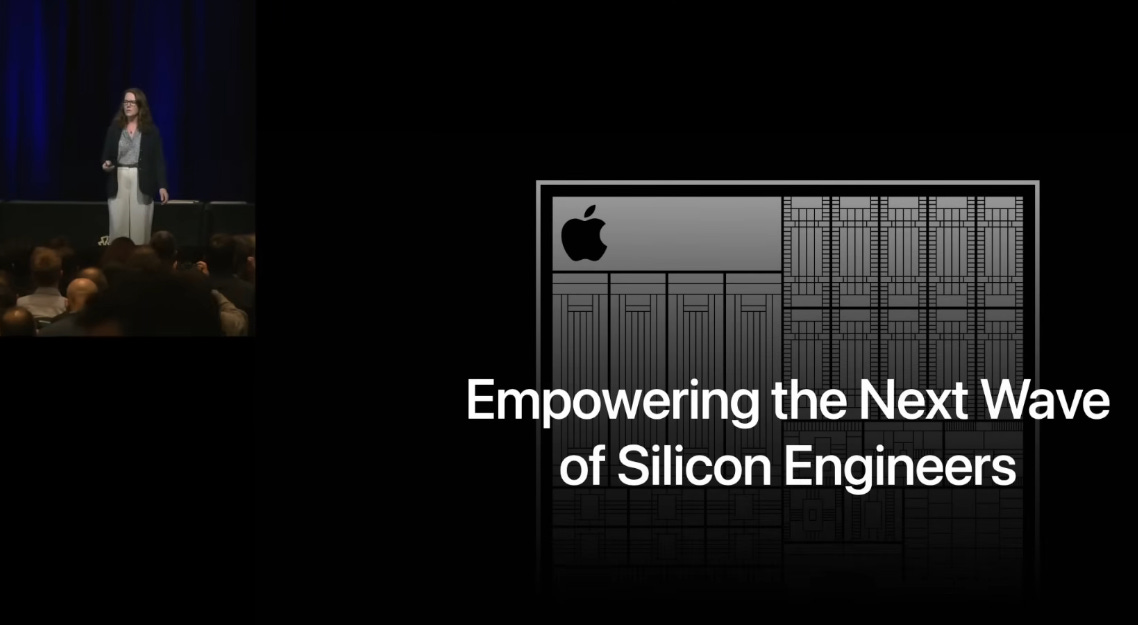
As Hope Giles, a seasoned veteran from Apple with decades of experience in chip design, emphasized during her keynote at the International Solid-State Circuits Conference (ISSCC), inspiring and training the next generation of silicon engineers isn’t merely an act of goodwill or corporate philanthropy. It’s an imperative for the industry’s survival. Without a fresh influx of talent, the innovations that define our modern world could grind to a halt, leaving us stranded in a technological plateau.

2025年6月16日
To grasp the full magnitude of this talent crisis, it’s essential to delve into the evolution of custom silicon design, using Apple’s journey as a compelling case study. This narrative not only highlights the complexity involved but also underscores why specialized expertise is more critical now than ever before.
The Evolution of Apple Silicon: A Symphony of Customization and Innovation

Apple’s foray into custom silicon began not out of luxury, but necessity. When Steve Jobs unveiled the first iPhone in 2007, it wasn’t just a phone—it was a pocket-sized computer that revolutionized how we interact with technology. But to make that vision a reality, Apple couldn’t rely on off-the-shelf components from suppliers like Intel or Qualcomm. The device needed to deliver desktop-level performance while sipping power from a tiny battery and staying cool in a user’s hand. This demanded a chip tailored precisely to those constraints.
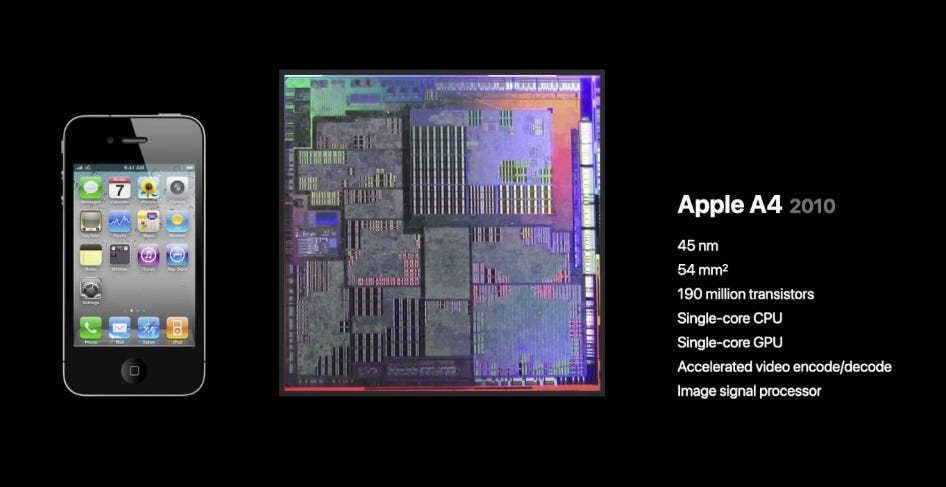
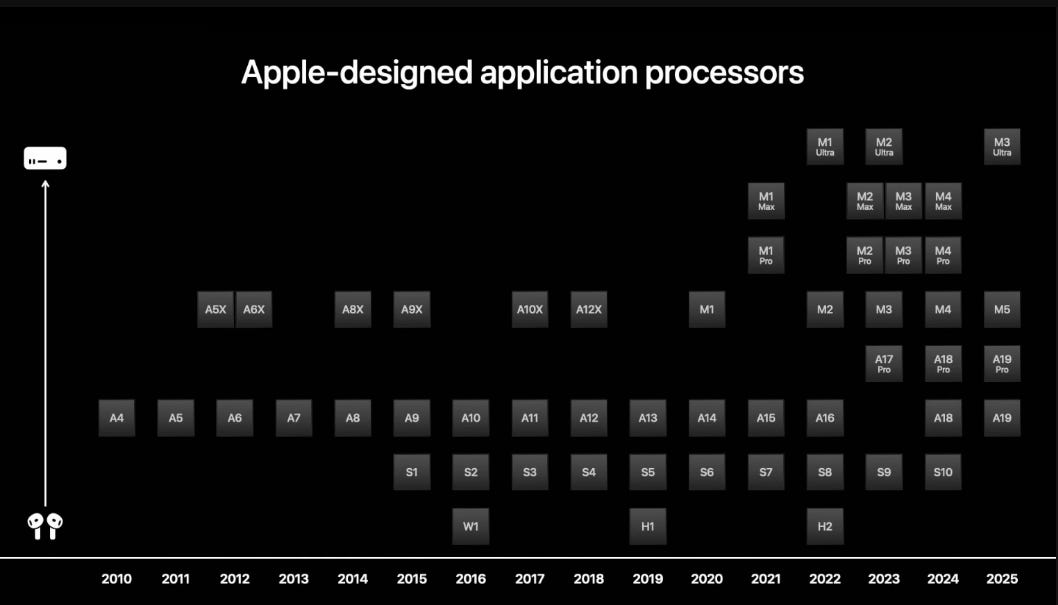
Enter the A4, Apple’s inaugural custom System on a Chip (SoC), launched in 2010 with the iPhone 4 and iPad. Fabricated on a 45-nanometer process node, this chip packed 190 million transistors into a compact design. What set it apart wasn’t just its size or speed, but its specialized accelerators—dedicated hardware blocks optimized for tasks like camera image processing and video encoding/decoding. These weren’t generic processors; they were purpose-built to handle the heavy lifting of multimedia features, ensuring smooth performance without draining the battery. The A4 proved a fundamental truth: in the quest for groundbreaking products, generic hardware falls short. Customization is key.
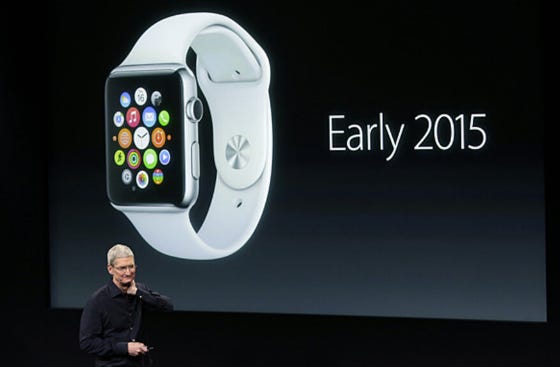
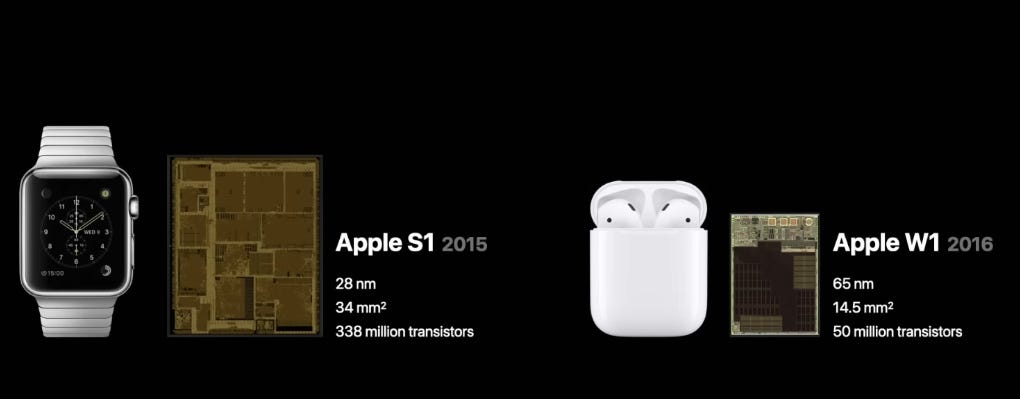
Building on this success, Apple adopted a scalable architecture philosophy, allowing them to adapt their designs across a spectrum of devices with varying power and performance needs. For the Apple Watch, introduced in 2015, they engineered the S1 chip, optimized for microwatt-level power consumption to enable all-day battery life in a wrist-worn device. Similarly, the W1 chip in the original AirPods handled custom Bluetooth protocols, ensuring seamless wireless audio syncing while minimizing latency and power draw.
This modular approach reached its zenith with the transition of Apple’s Mac lineup from Intel processors to in-house silicon, starting with the M1 chip in 2020. Fabricated on a 5-nanometer process, the M1 boasted an astonishing 16 billion transistors. It demonstrated that a architecture born from mobile roots could scale up to power professional-grade desktops and laptops. Key innovations included industry-leading performance per watt—meaning more computing power with less energy—and a unified memory architecture, where CPU, GPU, and neural engines shared the same pool of high-bandwidth memory. This eliminated bottlenecks common in traditional systems, resulting in faster app launches, smoother multitasking, and extended battery life that redefined what users expected from their computers.



2025年9月4日

2025年3月9日
The Looming Shadow: An Impending Talent Shortage
Amid these leaps in technology, a sobering reality looms: the pipeline of new engineers entering the semiconductor field is drying up. According to projections from the Semiconductor Industry Association (SIA), by 2030, the U.S. alone could face a shortfall of around 30,000 engineers at the undergraduate and graduate levels. Globally, the numbers are even more daunting, with estimates suggesting a deficit of over 1 million skilled workers in the broader electronics sector.
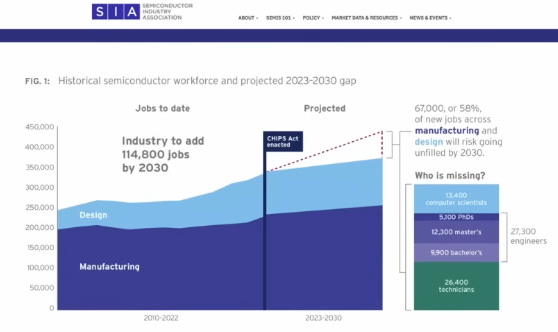
Why this decline? Transistor counts on chips are exploding—following Moore’s Law, albeit at a moderated pace—while workloads for AI, machine learning, and edge computing grow exponentially. Yet, student interest in hardware engineering has waned. Between 2017 and 2022, the number of Electrical Engineering (EE) degrees awarded in the U.S. dropped by a staggering 20%. Many bright minds are gravitating toward software and AI roles, lured by the perceived glamour of coding apps or training neural networks. They often overlook a fundamental axiom: “It takes hardware to run software.” No matter how sophisticated an algorithm is, it needs a physical chip to execute it efficiently.

Compounding this is the generational shift. Baby boomers who built the foundations of modern computing are retiring, taking decades of institutional knowledge with them. Meanwhile, younger generations view hardware design as arcane or less “sexy” compared to software, where updates can be pushed instantaneously rather than waiting months for a chip to be fabricated.
AI-powered tools are emerging to boost productivity—automating layout designs or simulating circuits faster—but they’re no panacea. Tools like those from Synopsys or Cadence can accelerate routine tasks, yet they require human oversight to handle edge cases, innovate architectures, or debug real-world failures. As Giles notes, “AI can assist, but it can’t replace the ingenuity of a skilled engineer staring at a problem and finding an elegant solution.”
This shortage isn’t abstract; it’s already manifesting. Companies are delaying product launches due to talent constraints, and nations are scrambling to onshore semiconductor manufacturing through initiatives like the CHIPS Act in the U.S. or similar efforts in Europe and Asia. Without action, the industry risks a vicious cycle: fewer engineers mean slower innovation, which in turn makes the field less appealing to new talent.
The New Silicon Initiative: Reigniting Passion in the Classroom

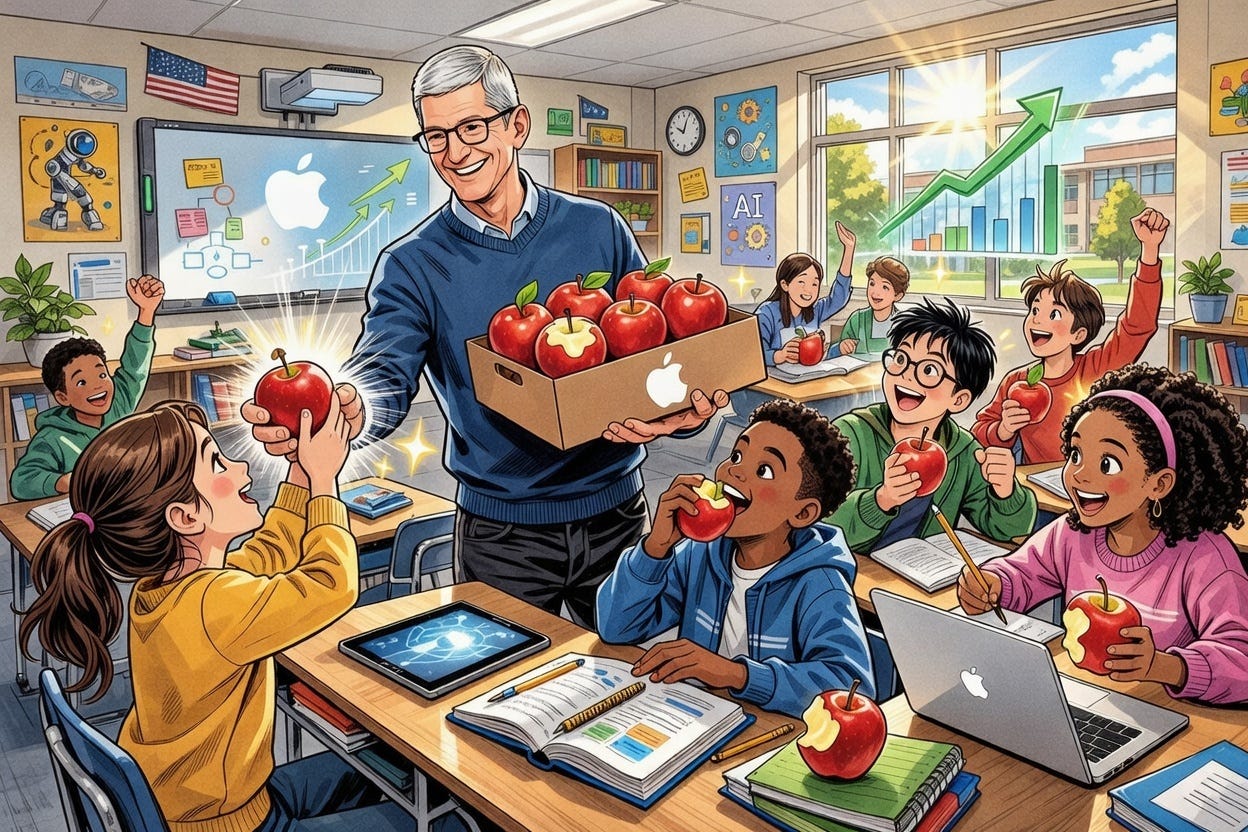
Recognizing this “perfect storm” as an existential threat, Apple launched the New Silicon Initiative (NSI) in 2019. This program embodies the conviction that industry and academia must forge unbreakable partnerships to inspire the next generation. NSI isn’t about superficial outreach; it’s a strategic investment in human capital, built on three foundational pillars: enhancing curricula to reflect real-world challenges, engaging students directly to spark curiosity, and supporting faculty to deliver high-quality education.

The “magic” of NSI, as Giles eloquently puts it, resides in its emphasis on hands-on engagement. Engineers are builders at heart—they thrive on creating tangible things that solve problems. NSI taps into this by inviting practicing professionals into university settings for guest lectures, where they share war stories from the trenches of chip design; design reviews, offering constructive feedback on student projects; and live demos, showcasing how theoretical concepts translate to products like the iPhone or Mac.
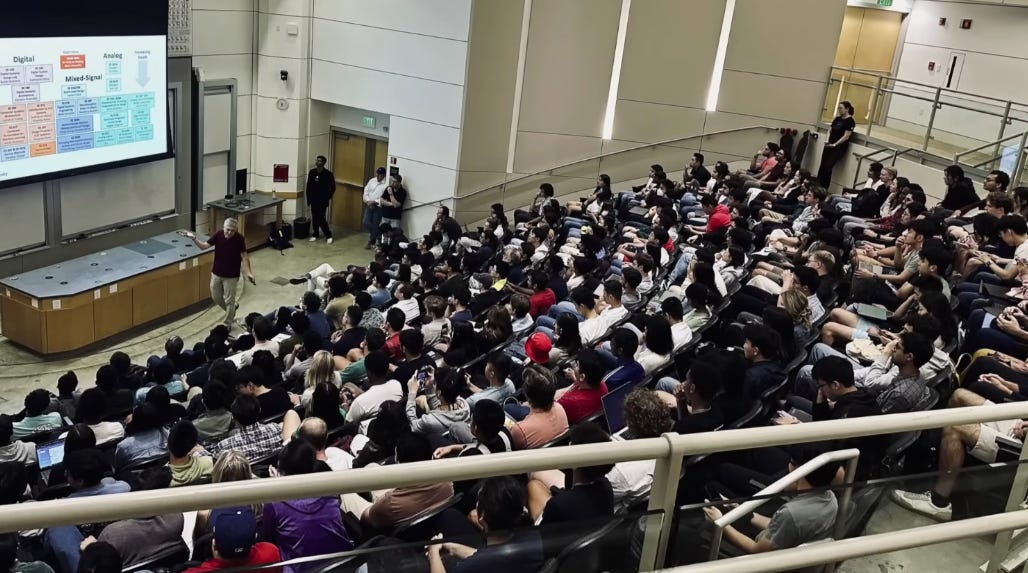
But NSI goes beyond inspiration—it’s about demystifying the field. Many students enter engineering programs without realizing the excitement of silicon design. Through workshops and seminars, NSI engineers demonstrate that hardware work isn’t just equations on a whiteboard; it’s about pushing the limits of physics to create devices that change lives. For instance, a lecture might dissect how the Neural Engine in Apple chips enables on-device AI features like Face ID, illustrating the interplay between hardware acceleration and software optimization.
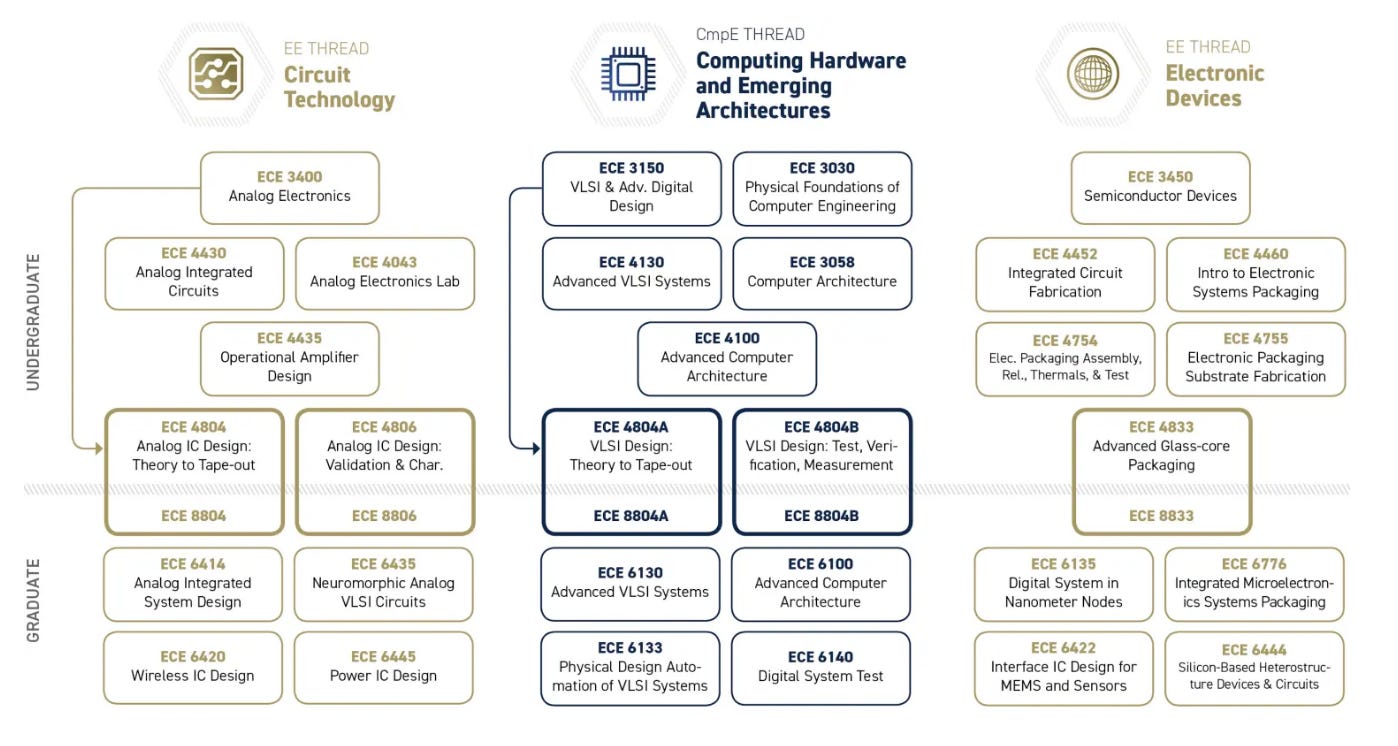
The Apple NSI program in partnership with theGeorgia TechSchool of Electrical and Computer Engineering offers a highly competitive fellowship to B.S./M.S. students in one or more of the following threads: “Circuit Technology”, "Computing Hardware and Emerging Architectures,” and “Electronic Devices”. This academic year, applications are open for seniors planning to continue towards Master's degree in the B.S./M.S. program. Please visit the link below to learn more and apply for the fellowship.
NSI Components
Encouragecontinued education in VLSI through fellowship opportunities
Engagewith students through various initiatives: Guest Lectures by Apple subject matter experts; Computer Hardware and VLSI Design Clubs
Exposestudents to career opportunities through networking with Apple engineers and Apple internships
IdentifyVLSI pathways and curriculum
Sharecurriculum across university partners
SupportNSI courses through tapeout class fabrication and bringup, as well as provide additional resources for TA and lab support
The Crown Jewel: The Tapeout Class Experience

At the pinnacle of NSI’s offerings is the “Tapeout Class,” a rigorous, immersive course that simulates the full lifecycle of chip design. In these classes, students form small teams—typically 3-5 members—to embark on a journey that mirrors professional workflows:
Ideation and Design:Teams brainstorm ideas for a custom chip, perhaps a low-power sensor hub for IoT devices or an accelerator for edge AI. They define specifications, architect the system, and use tools like Verilog or VHDL to code the logic.
Validation and Layout:Using industry-standard software from Cadence or Synopsys (provided through NSI partnerships), students simulate their designs, verify functionality, and perform physical layout—arranging transistors and wiring while adhering to design rules that prevent manufacturing defects.
Tapeout and Fabrication:The climax: sending the design files (the “tapeout”) to a foundry like TSMC or GlobalFoundries. Apple funds this expensive step, which can cost thousands per run, removing financial barriers for universities.
Testing and Debugging:Months later, physical chips arrive. Students power them up on custom boards, run tests, and debug issues—learning that real silicon behaves differently from simulations due to factors like process variations or thermal effects.
This process is intensely creative yet brutally constrained by physics: chips must fit within power budgets, operate at target speeds, and yield functional dies. Apple’s support extends beyond funding; they provide additional Teaching Assistants (TAs) for personalized guidance and mentors who offer virtual office hours, helping students navigate thorny trade-offs, like balancing area efficiency with performance.

The impact? Transformative. Students often call it “the hardest class I ever loved,” emerging with a profound appreciation for the field. At NSI-affiliated universities, enrollment in VLSI (Very Large Scale Integration) courses has surged two to three times since the program’s inception. Some schools, overwhelmed by demand, have introduced waitlists and competitive applications. Graduates don’t just gain skills—they gain confidence, with many securing internships or jobs at top firms like Apple, NVIDIA, or Intel.

One anecdote from a UCLA student captures the essence: “Before this class, I thought chip design was for geniuses in labs. Now, I’ve held my own creation in my hand—it’s magic.” Such experiences rekindle passion, proving that hardware engineering is as dynamic and rewarding as any tech discipline.

A Collective Call to Action: Building a Sustainable Ecosystem
While NSI’s successes are heartening—reaching over 20 universities and thousands of students—the talent shortage demands a broader, industry-wide mobilization. No single company can solve it alone. Apple is amplifying its efforts through collaborations like the Silicon Manufacturing, Innovation, and Design Center (SCIMID) at UCLA, which unites 12 industry partners (including AMD, Qualcomm, and Samsung) and seven universities.
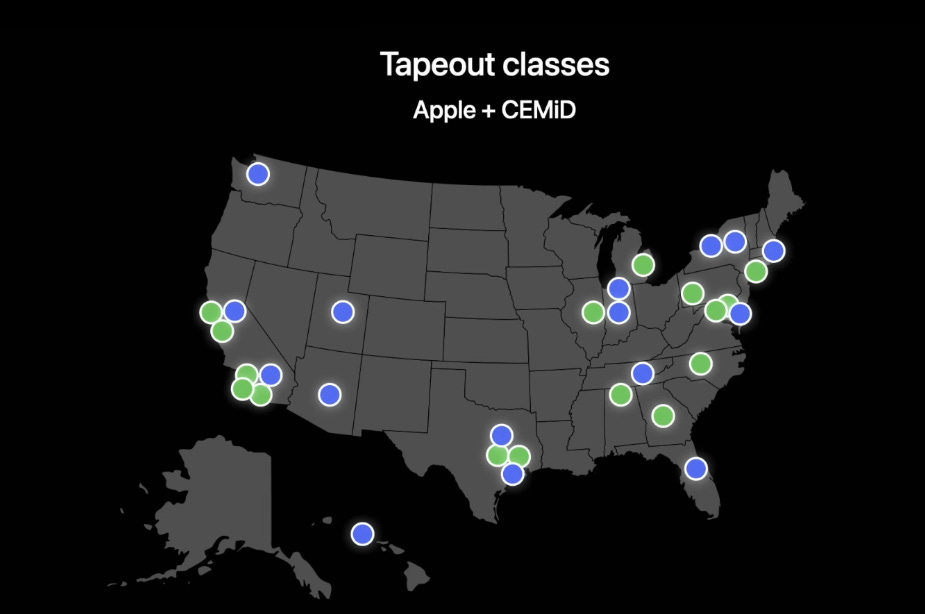
This consortium funds tapeouts, trains faculty on cutting-edge tools, and fosters a shared ecosystem where knowledge flows freely.To ensure the future of innovation, Giles urges the entire semiconductor community to act decisively. She proposes three actionable steps for professionals and companies:
Foster Collaboration:Ditch the silos. Every player—from startups to giants—must contribute. Initiatives like SCIMID show that pooled resources yield exponential returns, creating a talent pool that benefits all.
Invest in Support Structures:Funding supplemental TAs is a modest expense with massive payoff. These experts provide the individualized coaching needed for hands-on labs, where one-on-one interaction turns confusion into breakthroughs.
Engage Directly:Engineers, step out of your comfort zones. Volunteer for classroom visits, mentor capstone projects, or judge hackathons. Share your stories—the late nights debugging a chip, the thrill of a successful tapeout—to ignite enthusiasm in students.

The engineers who will drive the next decade’s innovations are in classrooms today, pondering their career paths. If we fail to engage them—showing the excitement of silicon design and providing the mentorship and resources they need—they’ll pivot to other fields, leaving our industry starved. The time is now: return to the classroom, invest in human capital, and empower the next wave of silicon wizards. In doing so, we’ll not only weather the perfect storm but harness it to propel us into an even brighter era of technological magic.

Apple will spend more than $500 billion in the U.S. over the next four years

Supporting American Businesses with a New Manufacturing Academy in Detroit
To accelerate the shift toward advanced manufacturing, Apple is launching the Apple Manufacturing Academy in Detroit. The initiative will bring together Apple engineers and leading academic experts, including faculty from institutions such as Michigan State University, to work directly with small and medium-sized businesses. Through hands-on consulting, the academy will help companies adopt AI-driven and smart manufacturing technologies, enabling more modern, resilient production capabilities.
In addition to on-site support, the academy will provide free in-person and online training programs focused on practical skill development. The curriculum will emphasize essential capabilities such as project management, manufacturing process optimization, and operational excellence, equipping workers with tools to improve productivity, efficiency, and quality across supply chains.
This initiative builds on Apple’s long-standing commitment to education and workforce development in the United States. Apple continues to expand grant programs supporting organizations such as 4-H, Boys & Girls Clubs of America, and FIRST, partnering with communities nationwide to deliver free educational opportunities that help young people develop critical skills, including coding and problem-solving.


PreviousNext
TopLatestDiscussions








See all