Chip Island Life: How Taiwan's Semiconductors Touch Every Corner of Daily Existence
Chip Island Life: How Taiwan's Semiconductors Touch Every Corner of Daily Existence
- Source: SemiVision
- Author: SEMIVISION
- Published: 2026-02-18T14:23:52+08:00
- URL: https://tspasemiconductor.substack.com/p/chip-island-life-how-taiwans-semiconductors (1) Chip Island Life: How Taiwan's Semiconductors Touch Every Corner of Daily Existence


Chip Island Life: How Taiwan's Semiconductors Touch Every Corner of Daily Existence
Original Article By SemiVision [Reading time: 15 mins]

Feb 18, 2026
∙ Paid
Imagine a typical Taiwanese morning. You get out of bed, the alarm rings—it’s the semiconductor chip in your phone at work; you head to the kitchen to brew a cup of coffee, where the machine precisely controls the water temperature, thanks to a microcontroller chip; on your way to work, whether by MRT or car, the navigation system and engine control unit all rely on semiconductor technology. These seemingly ordinary scenes are the best illustration of how Taiwan’s semiconductor supply chain permeates every corner of our lives.
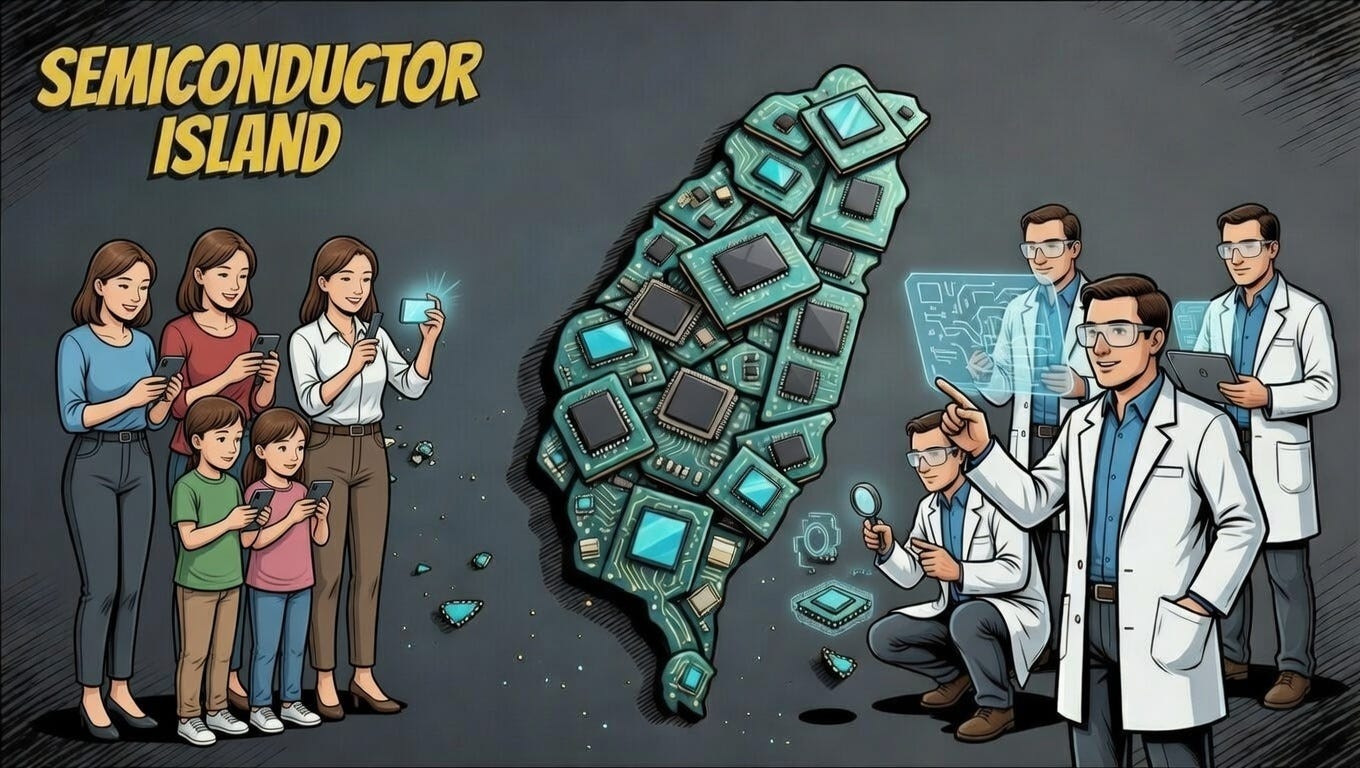
Taiwan, known as the “Chip Island,” with TSMC leading the way, not only supports the global tech supply chain but also profoundly influences Taiwanese daily life—from real estate and education to employment and social interactions, all bearing the imprint of semiconductors. This article explores from a lifestyle perspective how this supply chain shapes Taiwanese society, giving us a glimpse into how this “national protector mountain” becomes an invisible pillar of Taiwanese life.

2025年3月25日
Semiconductors Everywhere: Companions from Morning to Night
Semiconductor technology may seem advanced, but it has become the unsung hero of modern life. According to tech media reports, from dawn to dusk, nearly all the electronic products we touch rely on semiconductor chips. Take your phone, for example: Taiwanese-made chips account for over 90% of the world’s advanced processes, ensuring your iPhone or Android runs smoothly. In the morning, scrolling through social media or checking the weather—these functions depend on chips processing massive data. Even smart home appliances like refrigerators, air conditioners, or washing machines have built-in semiconductor sensors that automatically adjust temperatures or detect water levels, saving energy.
In Taiwan, the semiconductor supply chain is not just a major exporter but also the manufacturer of everyday essentials. Companies like TSMC and MediaTek produce chips used in cars, medical devices, and entertainment products. When driving to work, electric vehicles like Tesla rely on Taiwanese chips for battery management systems and autonomous driving features; at lunch, ordering delivery via app—the computations behind it can’t do without Taiwanese semiconductors. After work, binge-watching shows—the display chips in TVs or gaming consoles are also Taiwan’s strengths. Semiconductors not only power technology but also change habits: During the pandemic, remote work and online learning surged, spiking chip demand, which boosted Taiwan’s semiconductor industry and drove economic growth rates above 7%.

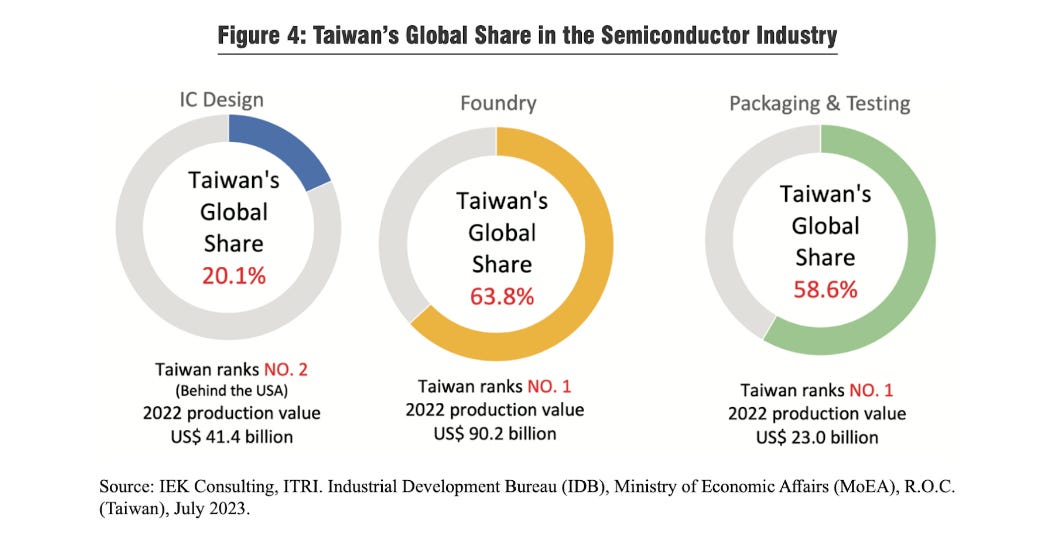
But this supply chain, from upstream design to downstream testing, is deeply intertwined with Taiwanese lives. Upstream IC design firms like MediaTek have employees mostly in Taipei or Hsinchu, where they design chips that determine phone performance; midstream wafer foundries like TSMC have factories across Hsinchu, Taichung, and Kaohsiung, famous for their overtime culture; downstream packaging and testing like ASE in Kaohsiung’s Nanzih brings local jobs. These links not only create employment but also shape community landscapes, making semiconductors the “bread and butter” for many Taiwanese.
Factory Setup Effects: Semiconductor-Driven Real Estate Boom
When semiconductor companies set up factories, they act like magnets attracting people and capital, transforming surrounding real estate. The Hsinchu Science Park is the classic example. Established in the 1980s, with firms like TSMC moving in, engineers flooded the area, pushing up housing prices. Areas like Zhubei High-Speed Rail District and Guanpu Redevelopment Zone, once farmland, are now filled with high-rises, with prices exceeding NT$1 million per ping. Engineers’ high salaries (average annual over NT$1 million) make them key players in the housing market, many buying properties for investment, fueling the “semiconductor real estate” phenomenon.
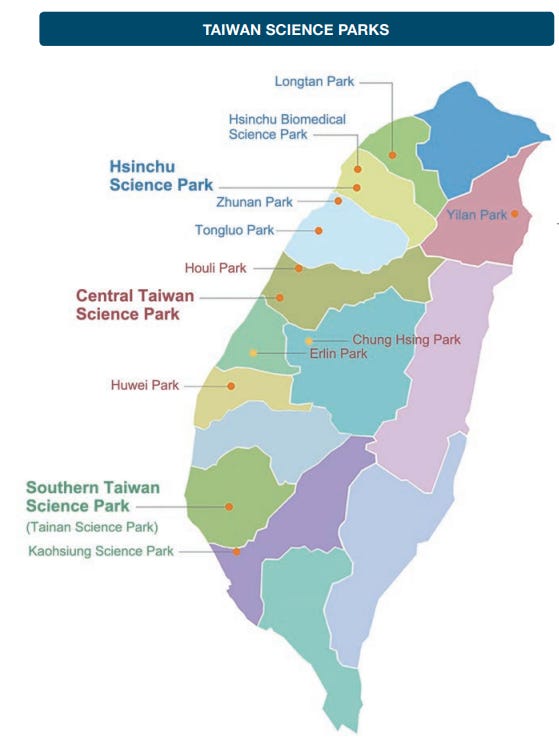
For instance, TSMC’s 2nm factory in Hsinchu’s Baoshan is expected to add 8,000 engineers, surging rental and purchase demand. Real estate agents note that these engineers prefer communities near high-speed rail for easy commutes to Taipei or Taichung. As a result, surrounding prices have risen over 30%, also affecting living costs: restaurants and supermarkets hike prices, turning former rural areas into tech hubs. But this brings challenges—high prices make housing unaffordable for young people; while engineers earn well, they often complain, “Earn money to buy a house, but prices rise again.”

2025年4月1日
Southern Taiwan feels this heat too. Kaohsiung’s Nanzih Processing Zone is transforming into a semiconductor park, with ASE and Winbond moving in, pushing prices from NT$200,000 to NT$400,000 per ping. “Semiconductor communities” emerge, with builders offering smart homes featuring semiconductor sensors for lighting and AC control. Factories not only boost real estate but also commerce: cafes and gyms sprout up, attracting young families. Similarly in Taichung Science Park, expansions by UMC and TSMC heat up local housing, with engineers “buying out buildings” becoming a topic.
However, recent changes: TSMC’s Arizona plant in the US is ramping up, with many senior engineers relocating or immigrating, starting to sell Taiwanese properties in a “sell Taiwan, buy America” trend. Agents reveal these listings are mostly in prime Zhubei areas; while sell-off pressure is small, if it continues, it could impact market stability. Factory setups are a double-edged sword, bringing prosperity but widening wealth gaps, leaving ordinary folks sighing, “Semiconductors enrich engineers, impoverish others.”
1月16日
Education Penetration: Semiconductor Fever from Cram Schools to Universities
The semiconductor industry’s influence extends from elementary school to university, shaping Taiwan’s education ecosystem. To nurture talent, companies and government promote STEM education, exposing kids early to semiconductors. TSMC partners with the National Applied Research Laboratories for “High School Semiconductor Science Camps,” letting students enter chip manufacturing sites to experience processes. Courses include IC design modules and wafer fabrication, using Lego bricks and simple circuits for “learning through play.” In 2025, these events drew thousands of students, rotating across north, central, and south Taiwan, sparking tech interest.

This event is the TSRI x TSMC Semiconductor Science Exploration Camp (also known as the High School Semiconductor Science Camp), a free, one-day educational program jointly organized by the Taiwan Semiconductor Research Institute (TSRI) under the National Applied Research Laboratories and TSMC. It aims to introduce high school (and vocational/college first- to third-year) students to the fascinating world of semiconductors, inspiring interest in STEM careers and helping them understand why Taiwan leads the global chip industry.The camp is held in locations like Hsinchu (at TSRI headquarters) and Tainan, with limited spots (typically 36–40 per session. The program is divided into two parallel modules to cover the full semiconductor lifecycle:
IC Design Module (focused on chip design):
Starts with popular science talks on the history of chips, their role as the foundation of modern technology, evolution with semiconductors, manufacturing environments, chip types, and an overview of the design process.
Includes a tour or demo for broader exposure.
Covers digital logic design basics: what digital signals are, binary/decimal/hex representations (2/10/16 bases), logic gates, and combinational logic concepts.
Hands-on activities: Students build simple logic circuits using breadboards, experience hardware description languages (HDL) for circuit design, and use professional IC design EDA software for simulation, synthesis, and verification.
Chip Manufacturing Module (focused on wafer fabrication and production):
Begins with an introduction to chip history and manufacturing basics: chips as the foundation, historical evolution with semiconductors, cleanroom operating environments, wafer crystal growth, packaging, and testing processes.
Features a tour/demo session.
Includes lunch break.
Hands-on or observational sessions on photolithography (etching processes), cleanroom visits (options like dust-free room tours, material analysis, measurement labs), and related practical experiences.

This camp provides a rare chance for young students to go beyond textbooks—experiencing real semiconductor environments, touching EDA tools, simulating designs, and seeing fabrication up close—while learning how chips power everyday life from phones to AI. It’s part of broader efforts to nurture future talent for Taiwan’s semiconductor ecosystem, with thousands of high school participants expected over multiple years. This is an excellent gateway to understanding “how chips are born”
At primary and secondary levels, the Semiconductor Education Alliance was formed, with companies like Applied Materials sending engineers to schools for workshops. Elementary students simulate semiconductor processes with sponges and circuit boards, understanding how chips work. Taichung City Government collaborates with NYCU on “Fun Reading AI Semiconductors” courses, offering free summer classes for teachers and students. These activities not only spread knowledge but also inspire careers: many students say, “Engineers are so cool.”
University education is even more directly impacted. TSMC collaborates with multiple schools on semiconductor programs, like those at Feng Chia University and National Kaohsiung University of Science and Technology, covering advanced processes and equipment practice. Students can intern at TSMC’s Newcomer Training Center (NTC), spending four weeks on machine operation and quizzes, experiencing production lines. NYCU’s one-day semiconductor camp, taught by TSMC engineers, has explosive sign-ups. These programs define talent blueprints, allowing graduates direct employment at TSMC.

To shorten the learning curve for new employees, TSMC inaugurated the Newcomer Training Center at Fab 15A in June 2021, offering four courses in equipment, process, system, and on-duty skills. The center is equipped with 20 main machines and 12 measurement and ancillary machines for instructional purposes, with all equipment components dismantled. Experienced instructors with an average of over 15 years of practical experience provide hand-in-hand guidance and training to help new employees gain an in-depth understanding of the inner workings and processes of the machines, optimizing the training results in a safe learning environment. The center also strengthens communication processes and on-duty skills, fostering independent thinking and self-learning abilities among new employees, accelerating their understanding about the Company's core values and their integration into the corporate culture.

Cram schools are riding the wave too. Institutions like TKB offer IC design courses, including “cross-domain learning” for liberal arts students switching to STEM, taught by TSMC engineers on tech English and logic basics. ITRI provides semiconductor process tech courses, subsidized by government, attracting working professionals. Even online platforms like industry learning nets offer micro-courses for self-study. Semiconductor fever boosts cram school business but reflects pressure: parents send kids to learn programming and physics early, hoping for electrical engineering majors and engineer careers.
Dating and Socializing: Semiconductor Engineers as “Hot Commodities”
In Taiwanese society, semiconductor engineers—particularly those at leading companies like TSMC—enjoy a highly respected and desirable status in both social and romantic circles. Their attractive salaries (with experienced TSMC engineers often earning annual total compensation ranging from NT$2 million to over NT$4 million, depending on role, seniority, and bonuses) position them as symbols of financial stability and long-term security. This makes them standout choices in the dating and marriage market, where they are frequently seen as ideal partners who can provide a comfortable lifestyle, including the ability to purchase a home and build a family with relative ease.

In matchmaking settings, whether through family introductions, professional networks, or dating apps, mentioning “He’s a TSMC engineer” or “He works in semiconductors” is commonly viewed as a major advantage. It signals not just strong earning potential but also dedication, intelligence, and a bright future—qualities highly valued in Taiwanese culture. International media, such as a BBC report highlighting Taiwan’s semiconductor success, has noted this dynamic: engineers’ strong work ethic and competitive pay enable many to achieve key life milestones like securing a mortgage, buying a car, and getting married after just a few years in the industry. This “diligent path to stability” is often credited as one of the key ingredients behind Taiwan’s chip industry dominance and the personal successes it fosters.
The appeal extends to digital platforms too—semiconductor professionals tend to receive significant attention on marriage and dating apps, thanks to their reliable careers and upward mobility. Socially, the industry has cultivated vibrant “engineer communities,” especially around hubs like Hsinchu Science Park (竹科). Gatherings among colleagues often revolve around shared interests such as technology trends, investments, real estate opportunities, and industry insights, creating natural networking and friendship circles. This has given rise to lively lifestyle spots—think modern tech-themed cafes, co-working friendly restaurants, and community events in New Hsinchu—that double as popular date locations, blending professional energy with relaxed socializing.
Overall, the semiconductor boom has elevated engineers’ social standing, turning a demanding yet rewarding career into a pathway to both professional pride and fulfilling personal relationships. While the field involves dedication and occasional long hours, many embrace it as part of building a secure and prosperous life, contributing to stronger families and communities in the process. This positive dynamic underscores how the industry not only drives Taiwan’s economy but also enriches everyday social connections and life aspirations.
Challenges and Reflections: The Shadow Side of the Semiconductor Industry
While Taiwan’s semiconductor industry has undeniably brought unprecedented prosperity—elevating the island’s global standing, boosting economic growth, and creating high-paying jobs—it also casts long shadows that affect society, the environment, and long-term sustainability. These challenges highlight the need for careful reflection to ensure the industry’s benefits do not come at an unsustainable cost.

One of the most pressing issues is talent outflow, often described as a “brain drain.” As companies like TSMC expand aggressively overseas—particularly in the United States with massive investments in Arizona fabs—experienced engineers are increasingly relocating abroad. Senior Taiwanese staff are dispatched to train local hires, and attractive packages in the US draw talent away. This exacerbates an already acute domestic talent shortage: despite high demand driven by AI and advanced chip production, Taiwan faces thousands of unfilled engineering positions annually. Universities produce fewer STEM graduates than needed, compounded by low fertility rates and students opting for less demanding careers. The outflow risks eroding the industrial cluster advantages built over decades in places like Hsinchu, potentially leading to hollowing out of expertise and innovation capacity at home. Recent geopolitical pressures, including US demands for greater onshoring (with proposals like shifting 40% of capacity deemed “impossible” by Taiwanese officials), intensify this migration, as engineers follow investments abroad for career opportunities and stability.
Closely tied to talent movement is the impact on the housing market, particularly in semiconductor hubs. In Hsinchu, engineers’ high salaries have fueled a real estate boom, but as some relocate to the US and sell properties, a subtle “sell Taiwan, buy America” trend emerges. This creates sell-off pressure in premium areas like Zhubei, potentially destabilizing the market if it accelerates. Meanwhile, Taiwan’s persistently low birth rates—among the world’s lowest—reshape housing demand: young people increasingly prefer smaller, affordable units over large family homes, affecting developers and long-term market dynamics. Ironically, Hsinchu bucks the national fertility decline somewhat, thanks to high wages, family-friendly perks from tech firms (like childcare support), and financial confidence that encourages starting families. Yet this “TSMC effect” is localized and uneven—high living costs and housing prices still price out many locals, widening inequality.
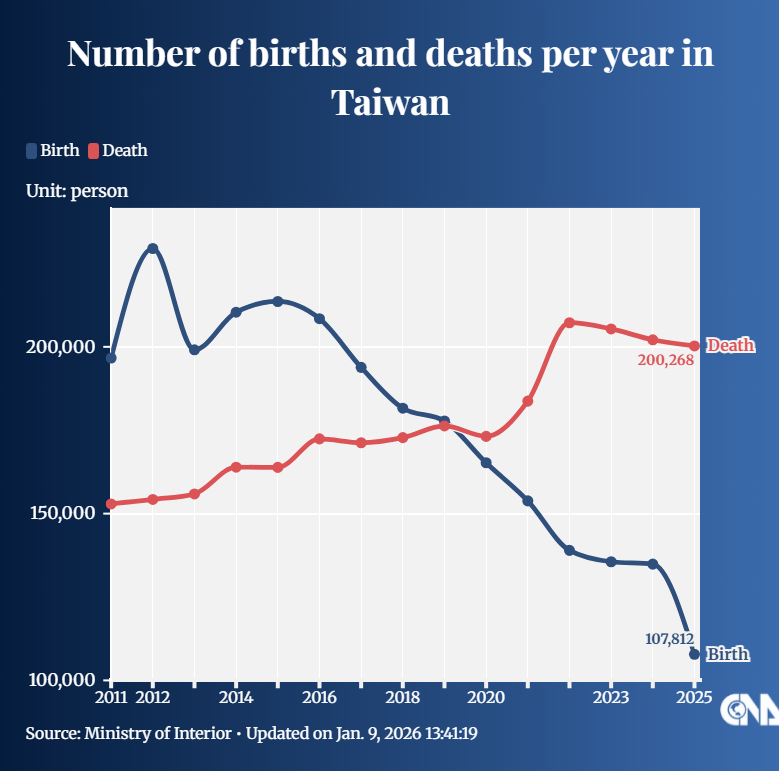
Taiwan is currently grappling with one of the world’s lowest birth rates, having recorded just 107,812 births in 2025—a staggering 20% drop from the previous year and the lowest figure on record according to the Ministry of the Interior. This has pushed Taiwan’s crude birth rate to approximately 4.62 per 1,000 people, while projections for the total fertility rate (TFR) hover around 0.72 to below 0.8, overtaking South Korea to claim the dubious title of the world’s lowest. As deaths outnumbered births significantly (exceeding 200,000 in 2025), the population continues to shrink and age rapidly, with over 20% now elderly.
This extreme demographic decline poses a serious national security concern. A shrinking pool of young people threatens military recruitment, potentially leading to an older, overstretched force with reduced capabilities and morale—critical vulnerabilities amid ongoing geopolitical tensions. Experts and officials have repeatedly flagged low fertility as a direct risk to Taiwan’s defense readiness and long-term resilience, underscoring the urgent need for policies to reverse this trend.

2月2日
The industry’s extreme concentration around a few giants, especially TSMC, poses systemic risks. TSMC dominates advanced chip production, making Taiwan vulnerable to disruptions. Geopolitical tensions, particularly the US-China trade war and ongoing tariff negotiations, threaten supply chains. US pushes for reshoring—tied to tariff relief—could force more capacity abroad, while any escalation in cross-strait tensions risks global shortages of critical chips for smartphones, cars, AI, and defense. Taiwan’s per capita GDP may surpass Japan’s in some metrics, but wealth remains unevenly distributed: semiconductor wealth concentrates among engineers and shareholders, while average salaries lag, fueling social discontent.
Environmental burdens add another layer of concern. Semiconductor manufacturing is resource-intensive, demanding vast amounts of ultra-pure water and electricity. In water-stressed Taiwan, fabs consume enormous volumes—TSMC alone uses hundreds of thousands of tons daily—competing with agriculture and households during droughts. Efforts like reclaimed water plants and recycling help, but reliance on freshwater persists, and climate change worsens dry spells. Air pollution from operations, including emissions of greenhouse gases and other pollutants, remains an issue despite controls. In southern hubs like Kaohsiung, new fabs bring jobs but strain local resources, raising carbon footprints and sparking debates over sustainability. TSMC pursues net-zero goals and innovations like hydrogen reuse, yet the scale of expansion amplifies these pressures.
On a personal level, the high-pressure work culture takes a toll on engineers’ health and well-being. Long hours, intense deadlines, and constant on-call demands contribute to burnout and work-life imbalance. The pandemic starkly exposed vulnerabilities: global chip shortages delayed everything from cars to consumer electronics, reminding everyone how dependent daily life is on this fragile chain.
These shadows do not negate the industry’s achievements but serve as stark reminders that unchecked growth can amplify inequalities, environmental strain, and external dependencies. Addressing them requires balanced policies: investing in domestic talent retention, diversifying the economy, advancing green technologies, and navigating geopolitics carefully to protect Taiwan’s core strengths.
Conclusion: Semiconductors, the Invisible Support of Taiwanese Life
Taiwan’s semiconductor supply chain weaves deeply into the fabric of everyday existence, far beyond factory floors and balance sheets. From the real estate hotspots sparked by fab expansions, to the explosion of specialized education and cram schools grooming the next generation, to the elevated social status of engineers in dating and marriage markets—it shapes communities, aspirations, and identities. This industry is more than an economic powerhouse; it has become a cultural symbol, where engineers embody success and innovation, and chips represent Taiwan’s ingenuity on the global stage.
Yet the challenges outlined above underscore a crucial truth: prosperity must be sustainable and inclusive. Talent retention, environmental stewardship, equitable wealth distribution, and geopolitical resilience are not optional—they are essential to preserving the “national protector mountain” for future generations. As AI, 5G, and emerging technologies accelerate demand, semiconductors will continue to mold Taiwan’s trajectory, making lives more intelligent, efficient, and interconnected.
By reading this far, you’ve seen how what starts as invisible technology in your phone or car becomes a visible force in housing prices, school curriculums, family decisions, and national pride. Semiconductors aren’t merely tech components—they are daily companions, quietly powering the rhythms of Taiwanese life while carrying the weight of the island’s hopes and vulnerabilities. Balancing innovation with responsibility will determine whether this invisible support remains a source of enduring strength.


PreviousNext
TopLatestDiscussions








See all