Phison Electronics: Memory Shortage Is the Real AI Killer, Not GPUs
Phison Electronics: Memory Shortage Is the Real AI Killer, Not GPUs
- Source: SemiVision
- Author: SEMIVISION
- Published: 2026-02-14T17:55:47+08:00
- URL: https://tspasemiconductor.substack.com/p/phison-electronics-memory-shortage (1) Phison Electronics: Memory Shortage Is the Real AI Killer, Not GPUs


Phison Electronics: Memory Shortage Is the Real AI Killer, Not GPUs
Original Article By SemiVision [Reading time: 15 mins]

Feb 14, 2026
∙ Paid
In early 2026, the semiconductor industry is gripped by an unprecedented memory supply crisis. Phison Electronics CEO Pan Chien-cheng (also known as K.S. Pua in English media), in a candid interview, described the situation not as a temporary fluctuation but as a structural, long-term shortage expected to persist at least until 2030—and potentially a full decade according to his broader industry outlook.

AI has evolved from hype into an absolute necessity, fundamentally reshaping the supply-demand balance and placing immense pressure on consumer electronics, while opening new opportunities for innovative players like Phison.
This article is adapted and expanded from the February 13, 2026 episode of 年代向錢看 (Time to Make Money)
Memory Supply-Demand Imbalance: An Unprecedented Seller’s Market
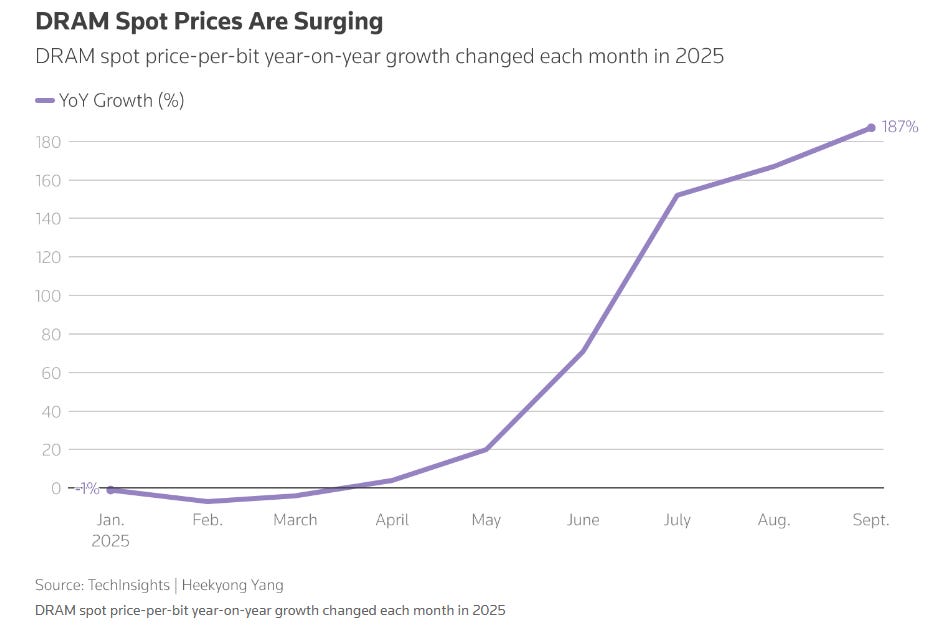
Pan describes the current market as “the most aggressive seller’s market in electronics history.” Both DRAM and NAND Flash are in severe shortage. Memory manufacturers now demand prepayment for three years of supply—an extreme condition never seen before, even in dealings between TSMC and NVIDIA.
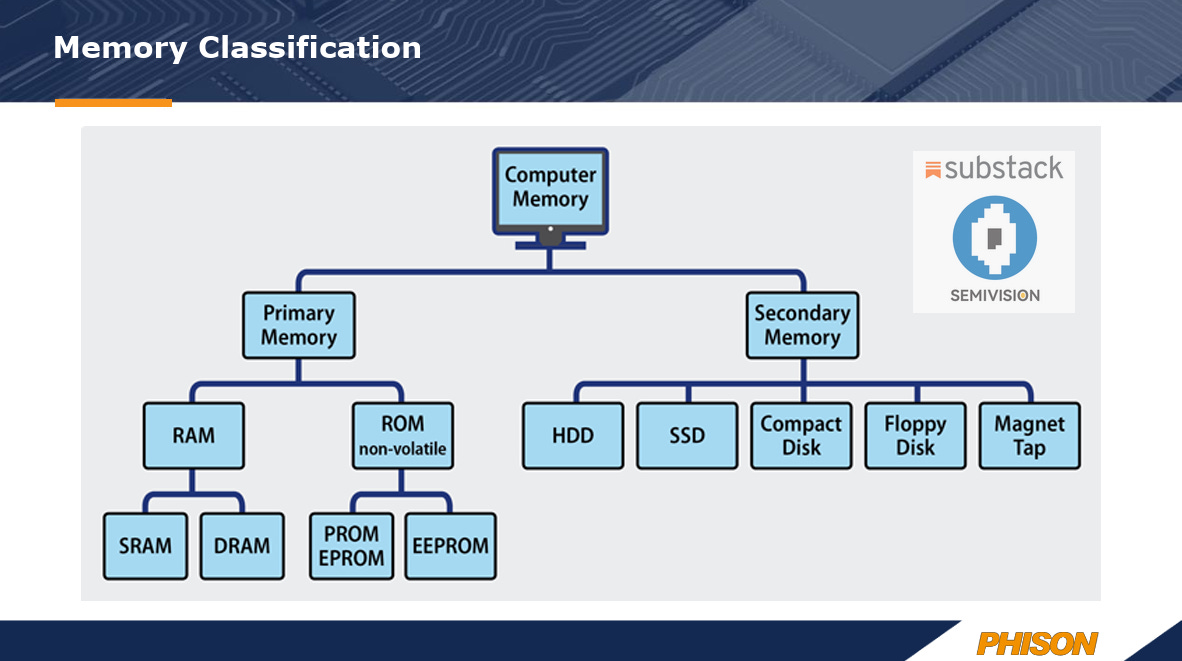
Phison itself struggled to secure DRAM for expanding 800 Gen5/Gen6 test servers, forcing direct negotiations with original manufacturers; traditional distributors have no stock left. Customer fulfillment rates hover below 30%, leaving Pan feeling like a “memory beggar,” repeatedly making the same pleas to suppliers.
Pricing has skyrocketed. eMMC 8GB modules jumped from $1.5 in early 2025 to $20 now, with automotive-grade versions nearing $24–30. The most aggressive pricing comes from U.S. and Chinese suppliers, as global competition for limited capacity intensifies.
Industry forecasts indicate this imbalance will continue through 2030. While NAND bit growth for 2026 is projected in the high single digits to teens (constrained by supply), real demand far exceeds this—”much, much higher,” as Pan puts it. Major players like Samsung, Micron, Kioxia, SK Hynix, and YMTC Memory are announcing expansions, but ramp-up takes at least two years, and equipment shortages create bottlenecks—one slot per tool. Chinese capacity additions (YMTC and CXMT) will help marginally (3–5% of global output initially), but internal demand in China prioritizes domestic needs, limiting export relief and preventing cheap dumping.
Memory makers, scarred by losses from 2020–2025, remain cautious on expansion. CEOs now enjoy guaranteed profits for the next 3–5 years, but shareholder pressure focuses on market cap growth rather than aggressive scaling.

2月12日
AI as True Demand Driver, Not Speculation
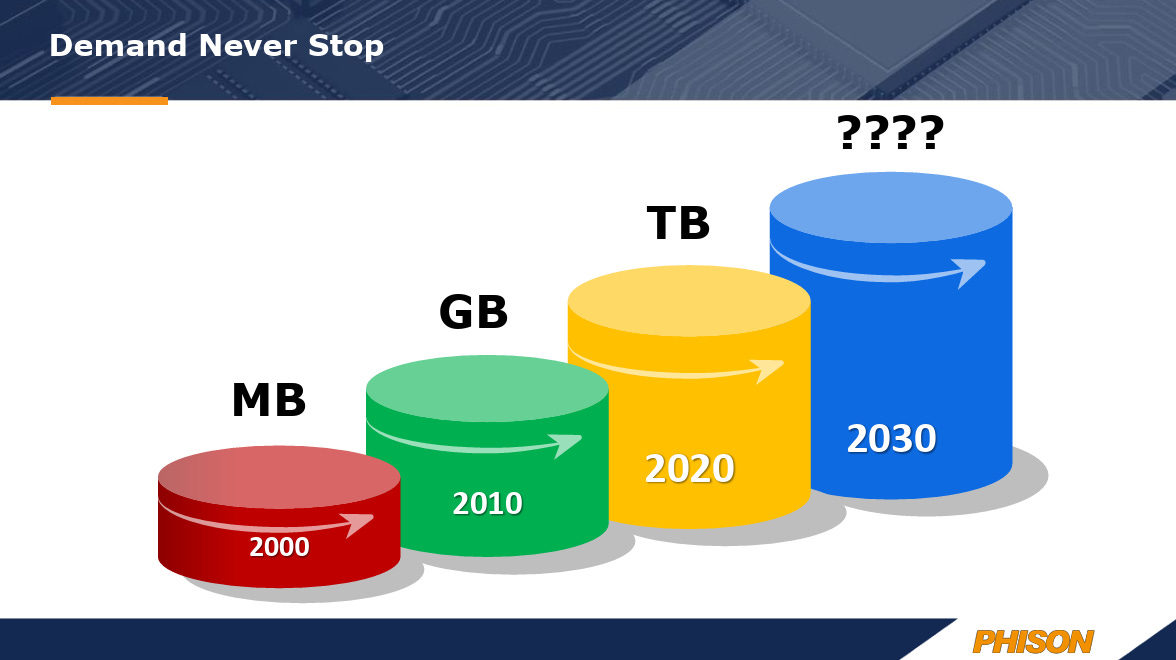
Pan stresses that AI is genuine need, not bubble. Unlike the VR boom that fizzled because it wasn’t essential, AI has driven the industry since 2022—only three and a half years in, yet poised for decades-long dominance, rivaling PCs (40 years), smartphones (20+ years), and the internet (~20 years).
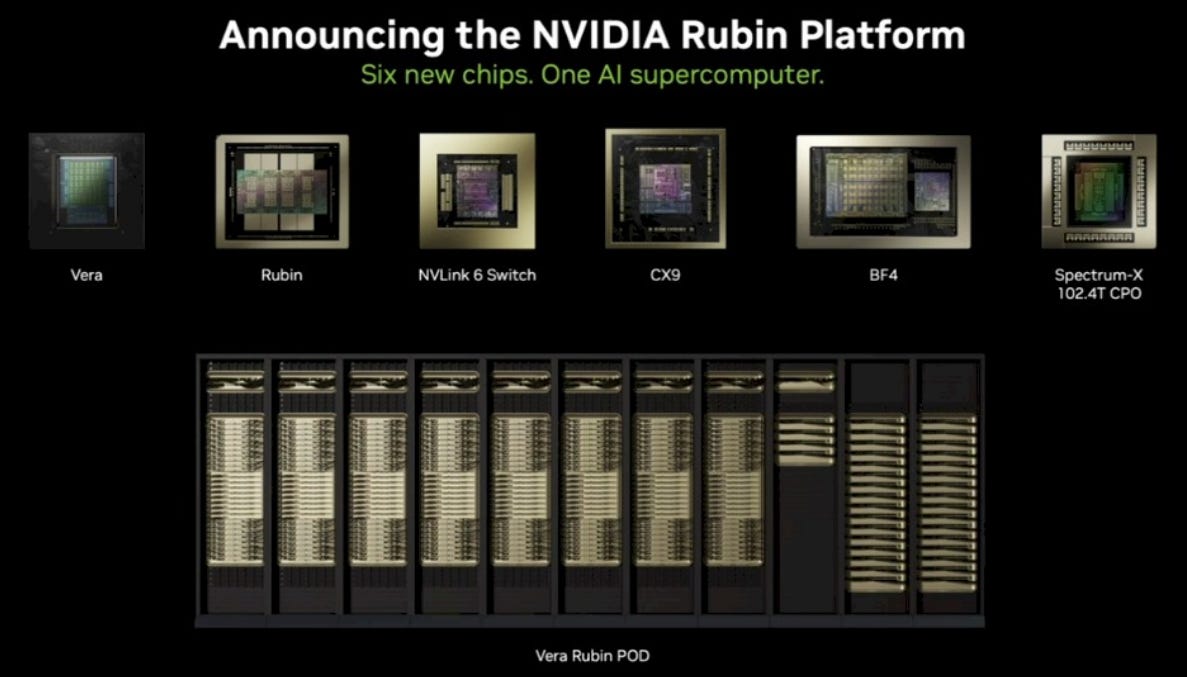
The explosive example is NVIDIA’s upcoming Vera Rubin architecture, focused on inference. Each GPU requires over 20TB of SSD. If 10 million units ship by late 2026, that’s roughly 200 Exabytes—about 20% of last year’s global NAND output—and this excludes the massive additional storage for generated data. Industry estimates suggest even higher impact: projections indicate Vera Rubin systems could consume tens of millions of terabytes in NAND just from NVIDIA alone in coming years, intensifying shortages.
Inference phase is where true explosion occurs. Training uses limited servers with huge data volumes; inference involves smaller per-query loads but vastly more servers. KV Cache demands are enormous. Current shortages stem mainly from cloud; edge/on-device demand hasn’t fully materialized. Once cloud claims priority (deeper pockets), edge gets squeezed; when supply eases slightly, edge demand surges, keeping overall capacity insufficient.
Source: Citigroup
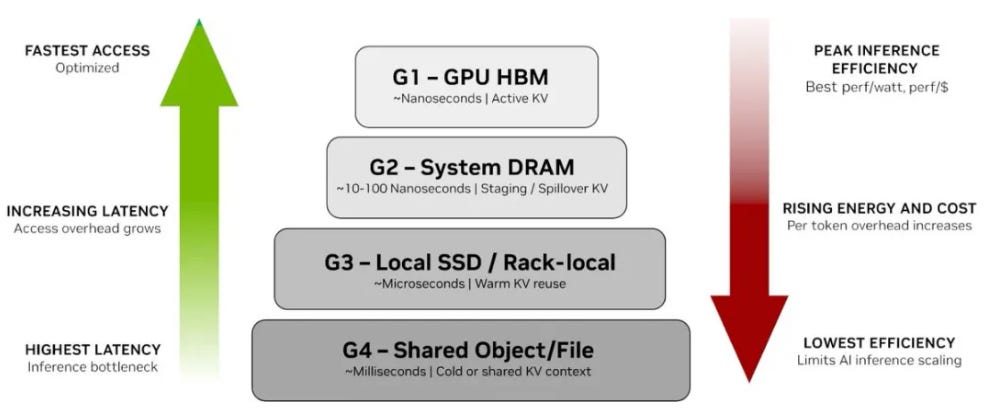
KV Cache is often described as the “short-term memory” of an AI model (particularly large language models, or LLMs, based on the Transformer architecture). It stores previously computed key-value (K-V) pairs from the self-attention mechanism, preventing redundant calculations for past tokens during autoregressive generation (i.e., when the model predicts one token at a time). Without KV cache, every new token would require recomputing attention over the entire input sequence, leading to quadratic time complexity and massive inefficiency. By caching these intermediate results, inference speed improves dramatically—often by orders of magnitude for long contexts—while enabling the model to “remember” earlier parts of the conversation or prompt seamlessly.Depending on the memory hierarchy and performance requirements, KV cache can be placed across different storage tiers. These tiers trade off speed, capacity, cost, and power efficiency:
G1: GPU HBM (High-Bandwidth Memory)
This is the fastest tier (nanosecond-scale access) and serves as the primary, “active” KV cache. It holds the most latency-critical data directly involved in ongoing token generation. HBM offers peak bandwidth and efficiency but has very limited capacity (tens of GB per GPU at most), making it the scarcest and most expensive resource.
G2: System DRAM
Acts as a staging buffer or overflow area when the KV cache exceeds HBM limits. It provides much larger capacity than HBM (hundreds of GB per server) with access latencies in the tens to hundreds of nanoseconds. Data is often evicted from G1 to G2 and can be quickly re-staged back when needed, though with some bandwidth and power penalties compared to pure HBM access.
G3: Local SSD (or rack-level storage)
Serves as “warm” KV cache for data reused over shorter timescales but not immediately active. Access is in the microsecond range (much slower than DRAM), but capacity scales to terabytes per node. This tier is ideal for temporarily offloading less-hot context, especially in single-node or rack-local setups, reducing recomputation while keeping latency manageable for many inference workloads.
G4: Shared / networked storage (largest capacity, cross-node)
The highest-capacity tier (petabytes possible across clusters), suitable for “cold” artifacts, historical context, long-term results, or shared multi-agent/agentic scenarios. It enables persistence and cross-node sharing but introduces millisecond-scale latency, making it unsuitable for real-time token generation without careful pre-staging. Emerging solutions (like NVIDIA’s Inference Context Memory Storage platform) optimize G3–G4 transitions for better efficiency in large-scale deployments.
This tiered approach—popularized in recent NVIDIA architectures (e.g., for Vera Rubin and beyond)—addresses the growing KV cache bottleneck in long-context, high-batch, or agentic AI workloads. As context windows expand (to millions of tokens) and inference shifts toward multi-turn, persistent sessions, intelligently moving KV data across G1–G4 minimizes stalls, maximizes GPU utilization, and controls costs. For instance, active generation stays in G1, overflow spills to G2, warm reuse hits G3, and durable/shared history lives in G4—often with orchestration tools pre-fetching data to avoid decode-phase delays.In summary, KV cache turns the model’s “memory” into a hierarchical, optimizable resource, balancing ultra-low latency for hot data against massive scale for colder context in the AI era.

2025年10月13日
Below We will share:
Devastating Impact on Consumer Electronics
Phison’s Unique Strategy: Value Creation Over Raw Production
Long-Term Bets: Space, Automotive, and Focused Execution
Final Thoughts: The Real AI Bottleneck Is Memory, Not Compute
Future Memory Development Trends (2026–2030) and Key Considerations
What to Watch and Key Considerations in 2026
Devastating Impact on Consumer Electronics
Consumer sectors—smartphones, PCs, TVs, and other everyday devices—are bearing the brunt of the memory crisis, as AI-driven demand from data centers and servers prioritizes high-margin components like HBM and high-capacity DDR5 over the conventional DRAM and NAND used in mass-market products. Major memory producers (Samsung, SK Hynix, Micron, etc.) have shifted production capacity accordingly, leaving consumer-grade supply severely constrained and prices skyrocketing.
This creates a zero-sum dynamic: every wafer allocated to AI infrastructure reduces availability for consumer electronics, leading to production cuts, higher retail prices, and widespread market contraction.Key impacts include:
Smartphones:Global shipments are projected to decline sharply in 2026. Forecasts vary by source—Counterpoint Research estimates a 2.1% drop (with Chinese OEMs like Honor, OPPO, and vivo hit hardest due to their heavy low- to mid-range portfolios), while TrendForce predicts a 10% YoY decline to around 1.135 billion units, with a bear-case scenario exceeding 15% contraction (down to ~1.061 billion). IDC’s moderate downside sees a 2.9% drop, and pessimistic views reach 5.2%. The low-end market (devices below $200) suffers most severely, with BOM costs surging 20–30% or more due to memory now comprising 30–40% of total costs (up from historical 10–15%). Many entry-level models face discontinuation or spec downgrades, while average selling prices (ASPs) rise significantly—IDC projects up to 8% increases overall.
PCs:The market faces even steeper headwinds. IDC forecasts a 4.9% contraction in moderate scenarios, deepening to 8.9% in pessimistic ones (after growth in prior years). Retail PC prices could rise 20% or more, driven by memory now accounting for 35–40% of BOM (up from 15–18%). Vendors like Lenovo and Dell have warned of constrained demand and planned price hikes, with some OEMs extending lead times or reducing configurations to manage shortages.
TVs and Other Consumer Devices:TVs, which rely on simple setups (typically one DDR4 + one eMMC), are particularly vulnerable. eMMC 8GB prices have exploded from ~$1.5 to $20 (with automotive-grade nearing $30), inflating BOMs for budget 300-dollar models and crushing margins. Broader consumer electronics—set-top boxes, home routers, budget tablets, gaming consoles, and even broadband equipment—face similar squeezes. LG has dimmed TV sales outlooks, while console shipments could fall ~4.4%. Low- and mid-range segments are hardest hit, as these lack the pricing power to absorb costs.
Broader Supply Chain and Market Dynamics:From mid-2026 onward, many consumer system vendors (especially smaller or low-margin players) will collapse, exit product lines, or consolidate due to inability to secure materials. Low-price, low-margin products are vanishing, creating large market vacuums. Survivors with strong cash reserves and investment capacity will be positioned to capture rebound growth once supply eases—but the timeline remains uncertain, with shortages potentially persisting into 2027.
Ironically, this crisis may foster positive secondary effects: with new devices becoming scarcer and more expensive, consumers are likely to repair existing products rather than discard them for the next 1–2 years. This shift could reduce e-waste, extend device lifecycles, and benefit the environment by curbing the throwaway culture that has dominated consumer electronics for decades.
In essence, the AI boom isn’t just diverting supply—it’s reshaping the entire consumer electronics value chain. Servers and AI infrastructure, where memory represents only 5–6% of BOM but commands premium pricing, outbid consumer players every time. The result is a painful but potentially transformative shakeout: higher prices, fewer choices, reduced volumes in the short term, and a market reset that favors premium, efficient, and innovative products in the long run.
Phison’s Unique Strategy: Value Creation Over Raw Production
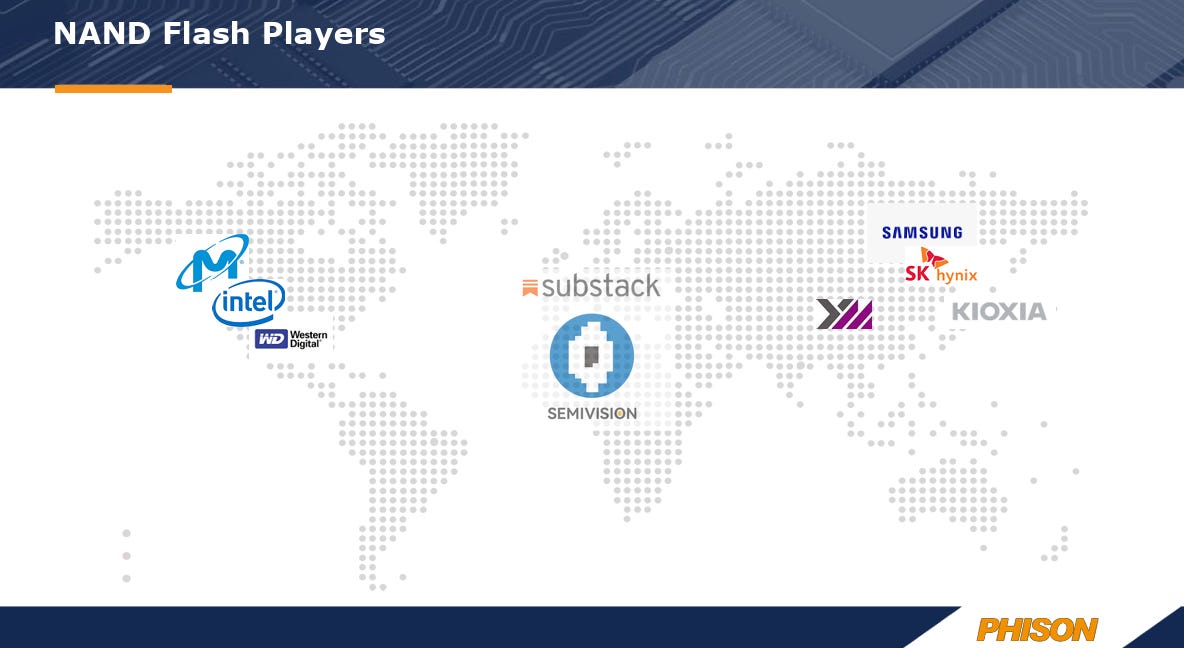
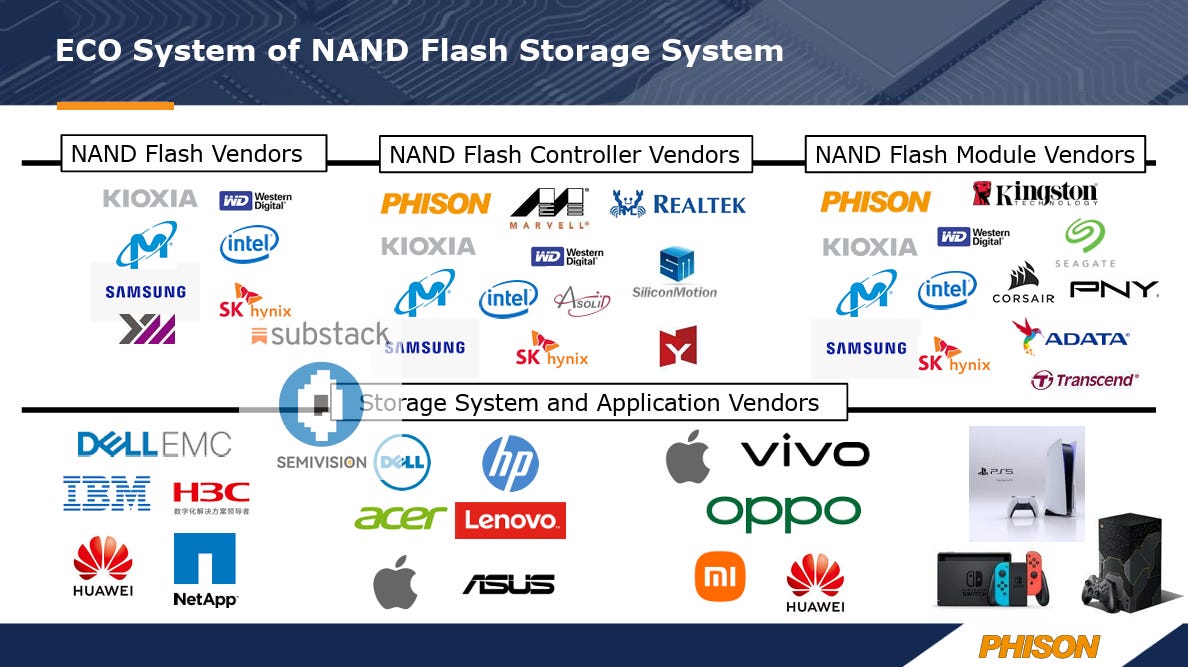
Phison Electronics stands out in the NAND ecosystem by not manufacturing raw flash memory itself—instead, it specializes in high-value controllers, firmware, modules, and system-level solutions. This “buy rice and make gourmet dishes” model grants exceptional agility: Phison can quickly adapt its intellectual property to diverse applications, from consumer devices to enterprise servers and emerging AI workloads, without the capital-intensive burden of owning fabs.

In enterprise-grade SSD controllers, for example, single units command around $50, but volume scales rapidly—shipping tens of thousands monthly contributes billions in annual revenue with gross margins exceeding 30%. This approach proves far more profitable and sustainable than chasing low-volume, ultra-high-price niche products, especially in a market where raw NAND suppliers now profit handsomely regardless of customer.
Phison secures preferential treatment from memory manufacturers by consistently delivering outsized value. In an era where suppliers earn strong margins on every sale, Phison differentiates itself through deep customization for cloud service providers (CSPs) in AI contexts—developing tailored solutions that optimize storage for inference, training offload, and data pipelines. This positions Phison as an indispensable partner rather than just another buyer.

The company’s flagship innovation is itsaiDAPTIV+ technology, unveiled and expanded at CES 2026. This hybrid hardware-software solution uses minimal system DRAM (typically 8–32GB, with demos showing 32GB effectively handling workloads) combined with specialized, high-performance NAND flash as an intelligent extension layer to replace or augment massive traditional DRAM setups (e.g., 96–128GB or more). Historically, running large language models (LLMs) locally required exorbitant DRAM—128GB configurations could cost $2000+, often exceeding the price of the PC itself and rendering widespread AI PCs impractical.
aiDAPTIV+ changes this equation by offloading less-active model parameters, KV cache portions, or inactive layers to cost-effective flash-based cache memory. Phison’s internal testing demonstrates dramatic results: a 120-billion-parameter Mixture of Experts (MoE) model runs inference with just 32GB DRAM instead of the ~96GB needed conventionally. It accelerates time-to-first-token by up to 10x in some scenarios, reduces power consumption, and enables on-device fine-tuning and large-model inference on everyday notebooks, desktops, and mini-PCs with integrated GPUs (iGPUs) from NVIDIA, AMD, and Intel. Partnerships with OEMs like Acer showcase real-world deployments, such as running massive LLMs on laptops with significantly reduced DRAM resources.

This breakthrough directly addresses the ongoing DRAM shortage by democratizing AI capabilities—making powerful local AI accessible without premium, scarce high-bandwidth memory. Phison has already secured strong manufacturer support, signed key contracts, and advanced software optimizations through collaborations. Announcements and broader ecosystem integrations are anticipated imminently, positioning aiDAPTIV+ as a game-changer for AI PCs amid persistent memory constraints.
To lock in reliable upstream supply amid fierce competition, Phison continues strategic fundraising to fund long-term contracts and prepayments. In a telling recent example, during a supplier meeting where initial availability was tight and pricing firm, Phison’s team presented its AI-focused innovations and value proposition—securing a deal with meaningful discounts in under an hour. This illustrates how Phison’s technical leadership translates directly into supply-chain leverage.
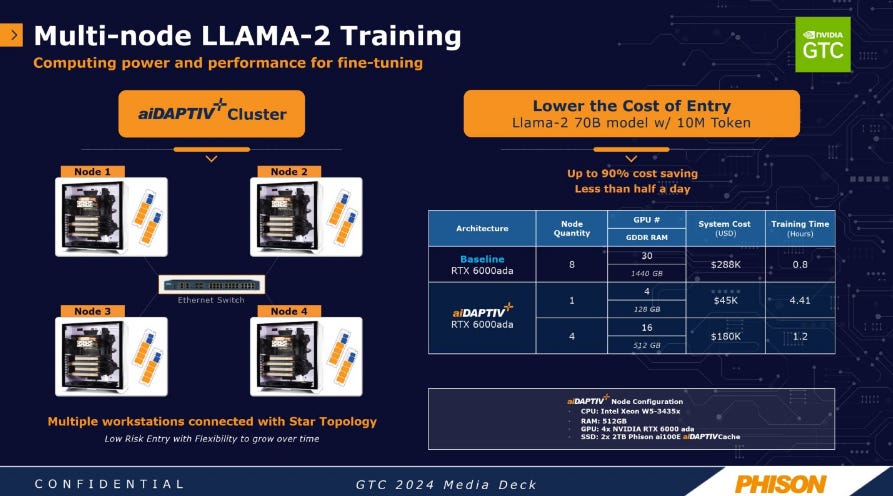
Taking Phison’s provided data as an example, training a Llama-2 70B model using 30 RTX 6000 Ada GPUs requires only 0.8 hours, but the system cost reaches a staggering $288,000 USD. In contrast, scaling down to 4 or 16 RTX 6000 Ada GPUs extends the training time to 4.41 hours and 1.2 hours, respectively, while dramatically reducing the hardware cost to approximately $45,000 and $180,000 USD.
Long-Term Bets: Space, Automotive, and Focused Execution
Phison’s commitment to high-reliability, mission-critical markets dates back years and exemplifies its philosophy of patient, sustained investment in specialized domains. In space applications, Phison’s radiation-hardened, extreme-environment storage has achieved remarkable milestones: products reached Mars as early as 2020 (supporting missions like Perseverance rover components), underwent orbital testing from 2021–2022, and progressed to lunar surface validation by 2025. Collaborations with partners like Lonestar aim to enable the first off-planet data centers, using ruggedized enterprise SSDs (e.g., Pascari series) certified for vacuum, deep cryogenic temperatures, radiation, thermal cycling, and voltage anomalies.
Certification is extraordinarily rigorous—devices must survive conditions where repair is impossible, including self-recovery from failures and operation in scenarios far beyond terrestrial norms (e.g., borrowing medical X-ray equipment for radiation simulation in off-hours testing). While these programs remain short-term unprofitable, they build unparalleled “space-grade reliability” credentials. This trust transfers powerfully to Earth-bound customers: if a solution withstands the Moon or Mars, it inspires confidence for demanding terrestrial uses in AI servers, industrial systems, and edge computing.

Similar discipline applies to automotive: Phison has invested 15+ years in developing controllers and storage meeting stringent requirements, culminating in milestones like the world’s first NAND controller to achieve ISO/SAE 21434 automotive cybersecurity certification (2024) and the PS5022 PCIe Gen4 controller earning ISO 26262 ASIL-B functional safety compliance (2025)—a first for independent SSD controllers. Enterprise storage efforts span 7+ years, focusing on high-endurance, low-latency solutions for data centers.
Across these verticals—space (6+ years active), automotive (15+ years), and enterprise—Phison adheres to a core tenet: heavy, focused R&D investment over extended periods yields eventual market leadership and dominance. Short-term returns may be modest or negative, but the strategy pays off as qualification barriers deter competitors and create sticky, high-margin opportunities. This long-view approach mirrors Phison’s broader resilience, allowing it to navigate cyclical NAND markets while positioning for structural shifts like the AI-driven memory era.
Final Thoughts: The Real AI Bottleneck Is Memory, Not Compute
Pan Chien-cheng concludes with a stark assessment: AI’s true performance limit isn’t raw GPU compute power—slower processing is often tolerable—but memory insufficiency, which can halt computation entirely when data can’t flow fast enough or in sufficient volume. Flash memory is increasingly stepping in to supplement DRAM shortages, with architectures like NVIDIA’s Vera Rubin heavily adopting high-capacity SSDs and flash-based extensions to handle massive KV caches and inference workloads. This shift underscores that memory, not just accelerators, is the strategic chokepoint defining AI progress.
Phison’s path mirrors industry leaders like TSMC, which thrived by relentlessly honing core strengths across technological eras—from PCs to smartphones, internet infrastructure, and now AI. Phison must similarly invest deeply in R&D, focusing on controller innovation, hybrid memory solutions, and ecosystem partnerships to remain agile amid volatility. In the AI age, companies that effectively solve memory bottlenecks—through tiered hierarchies, flash acceleration, or novel architectures—will separate winners from the pack over the next decade.
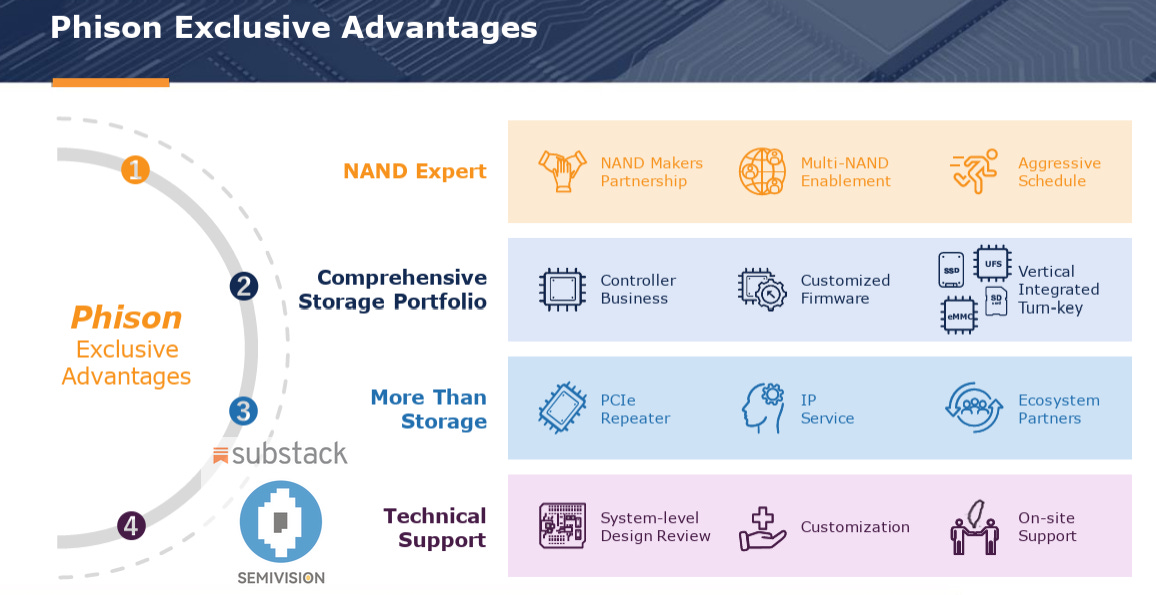
This storm is just beginning. Consumer electronics face brutal consolidation, with reduced volumes, higher prices, and market vacuums as low-margin players exit. Yet for innovators like Phison bridging supply gaps—via technologies such as aiDAPTIV+ that democratize AI on everyday hardware—the upside remains immense. By turning flash into an intelligent memory extension, Phison not only mitigates shortages but positions itself at the forefront of accessible, on-device AI.
Future Memory Development Trends (2026–2030) and Key Considerations
Looking ahead, the memory landscape will be defined by AI’s structural dominance, with demand outpacing supply for years. Industry forecasts (from TrendForce, IDC, Deloitte, and others) point to a prolonged supercycle:
Persistent Shortages Through Late 2020s: DRAM and NAND tightness is expected to continue into 2027–2028, with some analysts (including Phison’s own views and Micron’s statements) warning of constraints lasting a full decade. AI infrastructure could consume 50–70% of global production by 2026–2027, prioritizing HBM and high-capacity server memory over consumer-grade DDR4/DDR5 and eMMC. Supply growth remains constrained (e.g., ~16–17% YoY in 2026), as fabs shift to high-margin AI products and new capacity (e.g., Micron’s U.S. megafab) won’t meaningfully impact until 2028+.
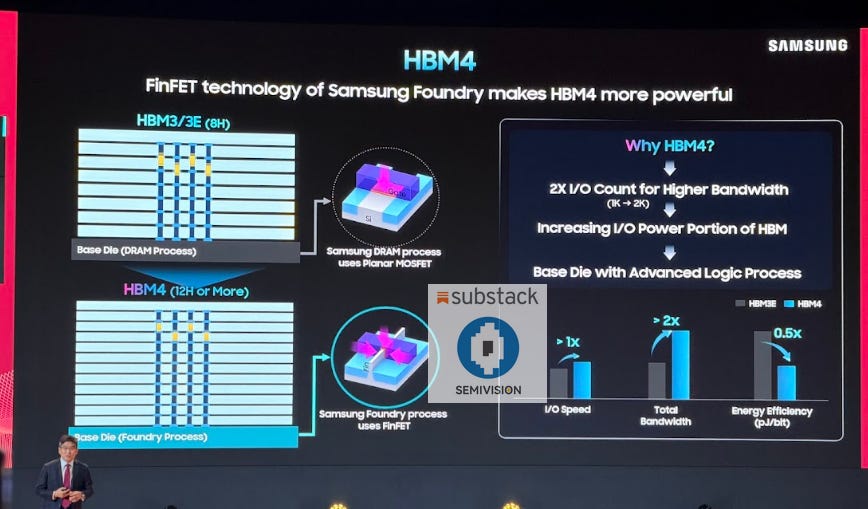
HBM Evolution as the AI Crown Jewel:HBM4 ramps in 2026 (with SK hynix, Micron, and Samsung leading), delivering >2 TB/s bandwidth per stack, doubled interfaces, and improved power efficiency. By 2030, HBM could claim 50%+ of the DRAM market share, driven by training/inference needs. Expect HBM5 previews by late decade, with even higher layers and bandwidth.
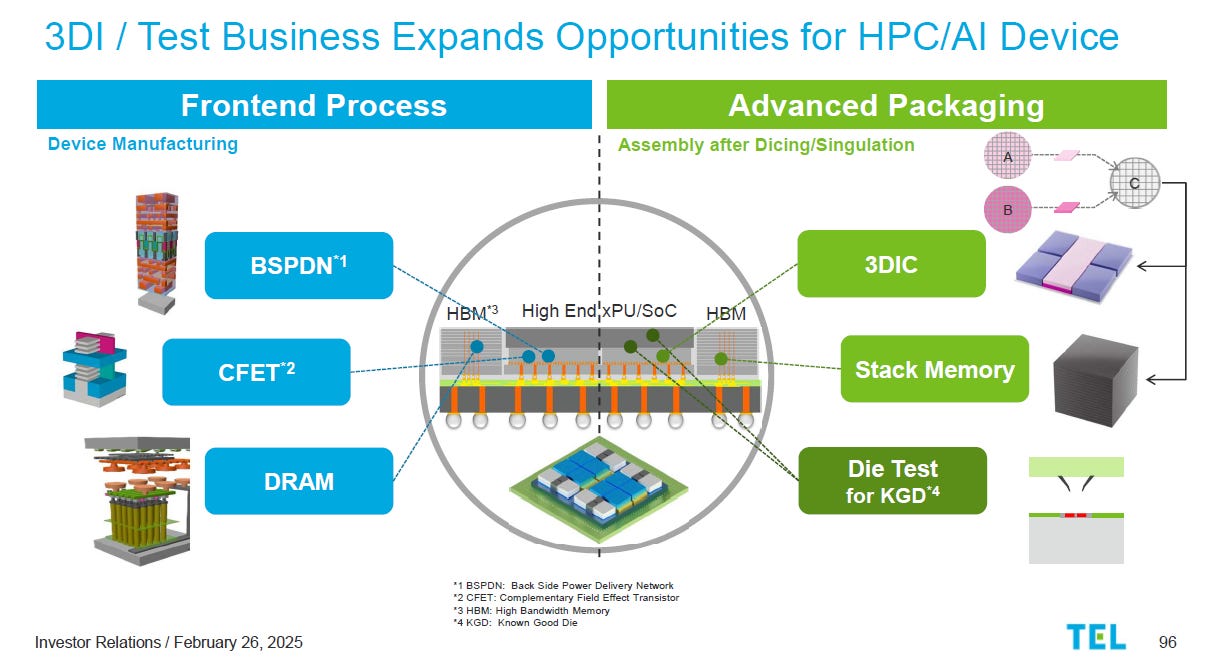
NAND/Flash Scaling and Tiered Architectures:3D NAND pushes beyond 300+ layers with innovations like hybrid bonding, molybdenum wordlines, and PLC/QLC for cost-per-bit reduction. Enterprise SSDs surge (e.g., QLC reaching 30%+ market share), while flash increasingly supplements DRAM via CXL (Compute Express Link) for disaggregated, pooled memory in data centers. Emerging non-volatile options—MRAM, ReRAM, FeRAM—gain traction in edge/embedded AI for low-power, persistent storage, though they remain niche until post-2030 breakthroughs.

2025年7月9日
New Interfaces and Hierarchies:CXL/UCIe enable scalable memory pooling across nodes, reducing GPU stalls. LPDDR6 rolls out for mobile/edge AI (doubling bandwidth, cutting power), while optical interconnects address transmission bottlenecks in massive clusters.


2月13日
What to Watch and Key Considerations in 2026:
Supply Risk:Monitor fab announcements and geopolitical factors (e.g., U.S. CHIPS Act investments, export controls). Prepayments and long-term contracts will remain essential; over-reliance on spot markets could prove costly.
Price Volatility:Expect continued hikes (DRAM/NAND potentially +50–100% in waves), favoring high-margin players but pressuring consumer margins. Diversify sourcing and hedge via vertical integration or alternatives like flash-extended memory.
Innovation Edge:Technologies bridging DRAM gaps (e.g., Phison’s aiDAPTIV+, flash-as-cache) will thrive. Focus on software-firmware co-optimization for real-world performance over raw specs.
Sustainability and Geopolitics:Longer device lifecycles from repairs reduce e-waste, but regional capacity shifts (e.g., U.S./China tensions) could create localized shortages or tariffs.

2月6日
In summary, memory evolves from commodity to strategic asset. Those who adapt—prioritizing efficiency, hierarchy intelligence, and ecosystem collaboration—will navigate the turbulence and capture outsized gains in the AI-driven decade ahead.

2月5日

2025年7月4日


PreviousNext
TopLatestDiscussions








See all