2026 Is Already Decided: MIT’s Top 10 Breakthrough Technologies in 30 Minutes
2026 Is Already Decided: MIT’s Top 10 Breakthrough Technologies in 30 Minutes
- Source: SemiVision
- Author: SEMIVISION
- Published: 2026-01-20T22:02:37+08:00
- URL: https://tspasemiconductor.substack.com/p/2026-is-already-decided-mits-top 2026 Is Already Decided: MIT’s Top 10 Breakthrough Technologies in 30 Minutes


2026 Is Already Decided: MIT’s Top 10 Breakthrough Technologies in 30 Minutes
Original Article by SemiVision

Jan 20, 2026
∙ Paid
30-Minute Deep Dive into MIT Technology Review’s 2026 Top 10 Breakthrough Technologies
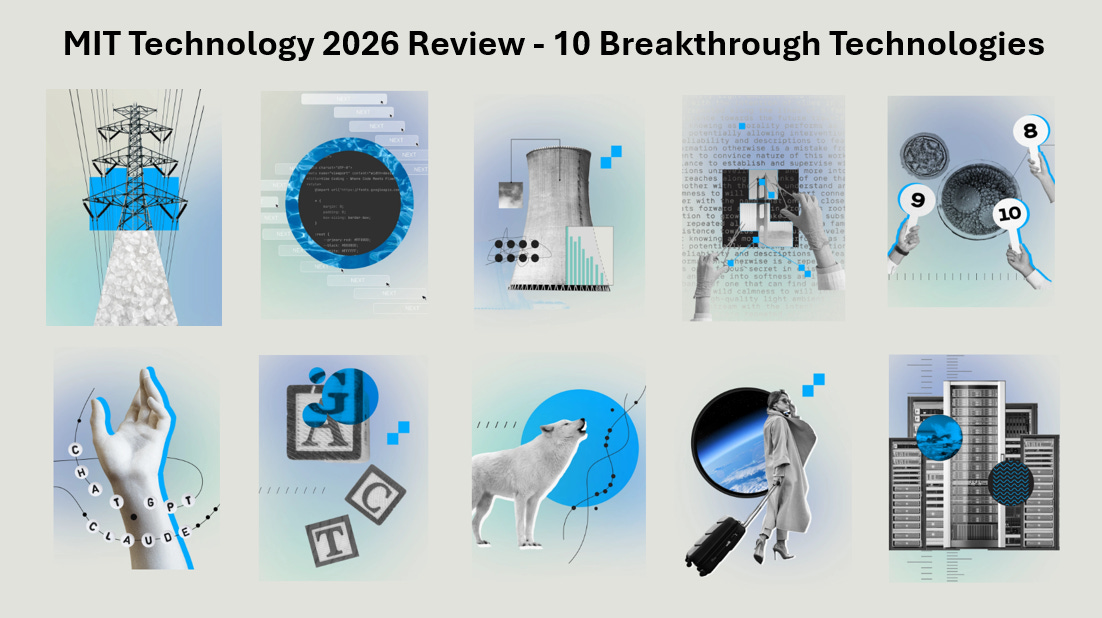
Source: MIT
Every year, MIT Technology Review selects its“10 Breakthrough Technologies,”highlighting the emerging innovations most likely to create outsized impact in the years ahead. The newly released 2026 list spans AI, energy, biotechnology, space, and more—offering the potential to accelerate human progress while also introducing new risks and societal challenges.
In this article,SemiVisionprovides an in-depth analysis of all ten technologies, structured in two layers: Trend Overview and Commentary.. For each item, we break down the core concept and key breakthroughs, assess the application outlook and industry potential, discuss the technical and ethical challenges, and map out the key players shaping the landscape.

1月19日
10 Breakthrough Technologies
-
AI Companions
-
Sodium-Ion Batteries
-
Base-Edited Babies
-
Next-Generation Nuclear Power
-
Gene “Resurrection”
-
Hyperscale AI Data Centers
-
Mechanistic Interpretability
-
Commercial Space Stations
-
Embryo Scoring
-
Generative Coding
-
AI Companions

Trend Overview:
AI companions refer to chatbots or virtual agents capable of forming long-term interactive relationships with humans. Today, millions of people interact with AI chatbots on a daily basis, and some users even develop intimate emotional bonds with them. These “AI friends” are not only able to hold conversations, but can also remember user information, simulate personalities, and provide a sense of companionship similar to that of real human relationships. Advances in large language models (LLMs) have significantly improved conversational fluency and emotional simulation, enabling AI companions to feel more natural and engaging. However, emerging evidence suggests that excessive reliance on AI companions may carry risks—such as potential impacts on mental health—prompting policymakers and regulators to begin paying closer attention to this area. Overall, AI companions have moved from science fiction into reality, becoming a notable emerging trend in AI applications and sparking widespread societal debate.
Commentary:
The application potential of AI companions is broad. On the personal level, they can be used for emotional support, assisted psychological counseling, and social companionship, providing 24/7 interaction for individuals experiencing loneliness, older adults, or people in need of mental and emotional support. Applications such asReplikaandCharacter.AIhave already attracted large user bases by offering companionship in the form of virtual friends or mentors.


On the enterprise side, companies are beginning to deploy AI companions as customer service agents, training simulators, or knowledge assistants, enabling more personalized customer support and education experiences. That said, the technical and ethical challenges are significant. Long-term emotional bonds between humans and AI may have unpredictable psychological effects. Studies and media reports have raised concerns that overly intimate interactions between adolescents and AI could affect social development, triggering regulatory scrutiny. In 2025, the U.S. Federal Trade Commission (FTC) launched investigations into consumer-facing AI chat and companion products, focusing on their potential impact on minors and how companies assess and mitigate related risks.
Key Players:
Current and potential key players include both startups and major technology companies. Among startups, U.S.-basedReplikawas an early pioneer in AI virtual companion services, with millions of users worldwide seeking emotional support through its application.Character.AIfocuses on allowing users to create and interact with AI characters with distinct personalities, making it particularly popular among younger demographics. In China,Xiaoice, originally incubated at Microsoft and now operating independently, has deep expertise in emotional dialogue AI, supported by hundreds of millions of conversational data points and a massive user base.
Large technology companies are also actively involved. For example, Meta and Snapchat have both launched chatbot-based features to enhance social interaction within their platforms. As language model technologies continue to evolve, the AI companion market is expected to expand further. However, the industry must confront the associated ethical challenges head-on to ensure that these “empathetic AI companions” deliver innovation without becoming uncontrolled technological risks.

2025年4月8日
- Sodium-Ion Batteries

Trend Overview:
Conventional lithium-ion batteries are ubiquitous in consumer electronics and electric vehicles, but the scarcity of lithium resources and their volatile pricing have driven the industry to seek alternatives. As a result, sodium-ion batteries have emerged as a standout solution and ranked at the top of the 2026 Breakthrough Technologies list. Using abundant and low-cost sodium salts as raw materials, sodium-ion batteries are widely regarded as a cheaper and safer alternative to lithium-ion batteries.
The key breakthrough lies in recent advances in materials science, which have significantly improved sodium-ion battery performance and pushed the technology toward practical deployment. For example, China’s battery giantCATLunveiled its first sodium-ion battery in 2025 and announced plans for mass production, marking the transition of sodium-ion batteries from laboratory research to industrialization.

Compared with lithium-ion batteries, sodium-ion batteries offer several advantages. From a resource perspective, sodium reserves are estimated to be about 400 times more abundant than lithium and are widely distributed geographically, reducing raw material costs and supply-chain risks . From a performance and safety standpoint, sodium-ion batteries exhibit greater stability in low-temperature environments, improved thermal stability, and higher intrinsic safety. Although their energy density still trails that of top-tier lithium-ion batteries, it has been improving year by year and is already sufficient for short- to medium-range applications, such as compact passenger vehicles and logistics vehicles.
In particular, sodium-ion batteries are highly attractive for grid-scale energy storage, where their low cost and long cycle life make them well suited to addressing the intermittency challenges of renewable energy sources such as solar and wind power. Because they have the potential to reshape the resource and cost structure of batteries, sodium-ion batteries are widely viewed as one of the most disruptive energy technologies of 2026.
Commentary:
The application outlook and industrial potential of sodium-ion batteries are broad, spanning electric mobility and new energy storage markets. In electric transportation, sodium-ion batteries could significantly reduce the cost of electric vehicles and accelerate the adoption of affordable EVs. Thanks to their low material costs, sodium-ion battery systems are expected to be more than 30% cheaper than lithium-ion systems, making them well suited for cost-sensitive segments such as entry-level EVs and two- or three-wheeled electric vehicles. Some automakers are also exploring hybrid battery configurations that combine sodium-ion and lithium-ion batteries to leverage the strengths of both.

In January 2026, BYD unveiled the world’s first mass-produced counterbalanced forklift powered by sodium-ion batteries, highlighting features such as operation across a wide temperature range from –40°C to 60°C, a 10-year battery warranty, and 4C fast charging. This milestone demonstrates that sodium-ion batteries are no longer confined to laboratories but are first being commercialized in industrial vehicles, where cost, reliability, and safety are paramount.

BYD’s launch of the world’s first mass-produced sodium-ion battery forklift in early 2026 marks the acceleration of sodium-ion battery technology from research to industrial adoption .
Beyond industrial vehicles, grid energy storage represents an even larger opportunity. Because renewable energy generation is inherently intermittent, power grids require large-capacity, low-cost storage systems to balance supply and demand. Sodium-ion batteries, with their safety and cost advantages, are well suited for large-scale energy storage. Governments and companies in China, Europe, and elsewhere have already launched demonstration projects. For example, U.S.-based startupPeak Energyhas begun deploying megawatt-scale sodium-ion grid storage systems. As industrialization accelerates, sodium-ion batteries are poised to play a critical role in future power infrastructure.
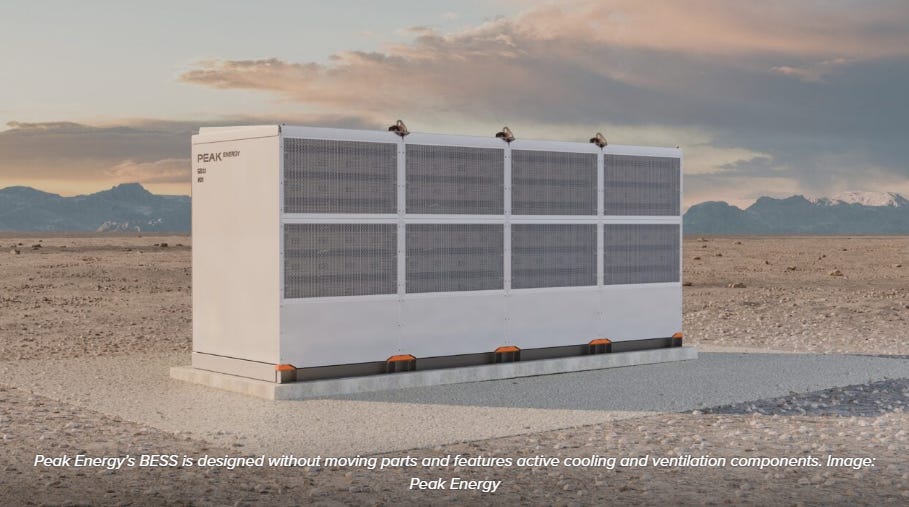
That said, sodium-ion batteries still face technical challenges. Their energy density remains lower than that of high-end lithium-ion batteries, meaning less stored energy for the same weight and volume. As a result, they are unlikely to replace lithium-ion batteries in premium EVs that prioritize long driving range in the near term. Industry consensus therefore holds that sodium-ion batteries will“complement rather than replace” lithium-ion batteries, excelling in different application segments.
In addition, large-scale commercialization will require solutions to supporting engineering challenges. Battery management systems (BMS) must be optimized for sodium-ion chemistry, thermal management and charging strategies need adjustment, and further validation of battery consistency and cycle life is necessary. Encouragingly, an increasing number of core players are investing in the sodium-ion battery ecosystem. In addition to CATL and BYD, companies such asFaradionin the UK (acquired by India’s Reliance) and France-basedTIAMAThave long focused on sodium-ion battery development and are now advancing commercialization efforts. Governments are also stepping in: China has listed sodium-ion batteries as a key focus area for next-generation energy storage, while major European battery innovation programs include sodium-ion R&D.
Taken together, these signals suggest that 2026 will mark the first year of large-scale industrialization for sodium-ion batteries . If the technology successfully overcomes remaining hurdles and achieves economies of scale, its advantages in cost and supply-chain security could profoundly reshape the battery industry, providing powerful support for global decarbonization and the energy transition.
- Base-Edited Babies

Trend Overview:
“Base-edited babies” refers to breakthrough cases in which advanced gene-editing technologies are used to create bespoke treatments for infants with severe genetic diseases. Importantly, this “editing” does not involve the science-fiction notion of designing enhanced or optimized babies, but rather represents highly precise gene therapies applied to already-born infants suffering from ultra-rare conditions for which no effective treatments previously existed.
In 2025, a team from the University of Pennsylvania and Children’s Hospital of Philadelphia (CHOP), supported by funding from the U.S. National Institutes of Health (NIH), developed a customized gene-editing therapy for a seven-month-old infant known as KJ, drawing global attention. KJ suffered from an extremely rare and lethal inherited metabolic disorder that had no viable treatment options. Using the latest base-editing tools, the researchers precisely corrected a single pathogenic DNA letter mutation, successfully reversing the disease course. This marked the first time in human history that a gene-editing drug was custom-designed for a single patient.
The case is widely regarded as a milestone in genomic medicine, demonstrating that gene editing is moving from laboratory research into real-world clinical application—particularly in the realm of ultra-rare diseases that fall outside the reach of conventional pharmaceuticals. KJ recovered well after treatment, the results were published in medical journals, and follow-up clinical studies are now being planne. Meanwhile, in late 2025, researchers in the UK also reported the world’s first base-editing gene therapy for treatment-resistant leukemia, further highlighting the broad potential of this technology. As a result, “base-edited babies” became emblematic of the 2026 Breakthrough Technologies, symbolizing a shift in gene-editing medicine from “one drug for many” toward on-demand, patient-specific therapies.
Commentary:
The emergence of base editing has made personalized gene medicine a realistic possibility. Its most immediate impact lies in the treatment of rare diseases. Traditional drug development is costly and time-consuming, and pharmaceutical companies are often unwilling or unable to develop therapies for ultra-rare conditions affecting only a handful of patients. Base editing offers a “rapid and customizable” therapeutic pathway: once a disease-causing mutation is identified, it is theoretically possible to design an editing enzyme that directly corrects that mutation in the patient.
The KJ case demonstrated that the entire process—from identifying the genetic defect to producing a customized therapy—can take only a few months, a pace that is almost unimaginable under conventional drug-development timelines that often span many years. From an industry perspective, this opens the door to a new model of small-batch, single-patient drug production. In the future, hospitals or specialized institutions could establish gene-therapy platforms that, with regulatory approval, design and administer tailored editing therapies based on each patient’s unique mutation profile—effectively creating a standardized workflow for personalized treatment services.
In the near term, the primary beneficiaries will be patients with ultra-rare and severe diseases that have long been neglected by traditional drug pipelines. Looking further ahead, base editing may also accelerate the development of more broadly applicable gene therapies. Multiple clinical trials are already underway using base editing to target inherited disorders such as sickle cell disease, β-thalassemia, and certain forms of familial hypercholesterolemia. Biotechnology companies such asBeam Therapeuticsare advancing pipelines of base-editing-based therapies, with regulatory approvals potentially arriving within the next few years.

However, the advent of base-edited babies also raises significant technical and ethical challenges. First, the safety and efficacy of one-time, customized therapies must be validated across more cases. Although base editing is touted for its high precision, there remains a risk of off-target effects, in which unintended DNA sites are modified—particularly concerning when therapies are delivered in vivo, where unexpected side effects may arise. While KJ’s short-term outcomes have been encouraging, long-term safety and durability will require years of follow-up.
Second, delivery technology remains a major bottleneck. Efficiently and accurately transporting gene-editing components into target tissues is a universal challenge in gene therapy. Current delivery vectors—such as adeno-associated viruses (AAVs) and lipid nanoparticles (LNPs)—each face limitations related to payload capacity, immune responses, and tissue specificity. Future advances in delivery platforms will be essential to fully unlock the potential of base editing.
Third, regulatory and ethical frameworks must adapt. Existing drug-approval systems are designed for therapies intended for large patient populations, and there is little precedent for approving, pricing, and overseeing“one-patient, one-drug”treatments. The KJ therapy was conducted as a research intervention under special regulatory authorization. If such treatments are to become routine, regulators will need more flexible pathways. At the same time, issues of healthcare equity must be addressed: how can such high-cost, high-complexity personalized therapies avoid becoming accessible only to those who can afford them, potentially exacerbating medical inequality?
Notably, most countries continue to strictly prohibit germline or embryo editing that would alter inherited genetic material. Base-edited babies, by contrast, involve somatic cell therapies that do not affect reproductive cells, making them ethically more acceptable under current standards.
As for key players, beyond the pioneering Penn/CHOP research team, several biotechnology companies are leading this field. Beam Therapeutics, founded by one of the inventors of base-editing technology, focuses exclusively on single-base editing therapies. Verve Therapeutics applies base editing to cardiovascular disease and has conducted in vivo liver gene-editing treatments for patients with high cholesterol. Other gene-editing companies, including Editas Medicine and Intellia Therapeutics, are also exploring next-generation technologies that incorporate base editing.
Looking ahead, as more successful cases emerge and regulatory frameworks become clearer, personalized gene-editing therapies are poised to evolve over the next decade from pioneering “ice-breaking” experiments into a new paradigm for rare-disease treatment.
- Next-Generation Nuclear Power

Trend Overview:
Against the backdrop of a global push toward zero-carbon energy, next-generation nuclear technologies are experiencing a revival. Traditional large-scale nuclear power plants provide stable electricity without greenhouse gas emissions, but their high capital costs, long construction timelines, and stringent safety requirements have constrained expansion. Next-gen nuclear focuses on smaller scale, modularization, and novel reactor designs to overcome these limitations.

Meanwhile,TerraPower, backed by Bill Gates, is developing an innovative system that combines a sodium-cooled fast reactor with molten-salt energy storage, known as Natrium. The project has secured permits for a demonstration plant and is expected to break ground within this decade. Beyond miniaturization, advances in new fuels and cooling technologies are also central to next-gen nuclear. Fourth-generation reactor concepts—such as high-temperature gas-cooled reactors, molten-salt reactors, and sodium-cooled fast reactors—employ advanced fuel cycles and coolants that deliver higher thermal efficiency and enhanced safety. Accelerated R&D across these technologies is repositioning nuclear power as a critical source of clean baseload electricity.

How Bill Gates’ company TerraPower is building next-generation nuclear power
TerraPower Awarded Pivotal State Permit for Natrium® Plant
Overall, surging electricity demand (including rapid growth in data-center power consumption) and a renewed reassessment of clean baseload strategies are driving renewed optimism for next-gen nuclear.
Commentary:
The primary value proposition of next-generation nuclear lies in providing reliable, low-carbon baseload power to support an increasingly electrified industrial economy and society. SMRs, in particular, could lower the barrier to nuclear deployment. With smaller unit size and standardized production, SMRs can be flexibly deployed in remote regions, industrial parks, or near large data centers, serving as standalone power sources or as anchors for microgrids. In the United States and Canada, several SMR projects are under development, with initial operations expected around 2030. If modular manufacturing reaches scale, unit costs could fall significantly, making nuclear accessible to smaller countries and private developers.

2024年10月22日
Beyond SMRs, advanced nuclear includes fast reactors, breeding technologies, and closed fuel cycles, which can dramatically improve fuel utilization and reduce long-lived radioactive waste—enhancing nuclear sustainability. These capabilities broaden nuclear’s role in the energy transition, from high-temperature industrial heat and hydrogen production to complementing renewables with firm power. According to the International Atomic Energy Agency (IAEA), SMRs and advanced reactors are among the most important pathways for delivering dispatchable, low-carbon baseload power in the future .

2024年10月15日
Despite the promise, challenges remain. Regulation and standards are foremost: nuclear reactors face stringent safety requirements that vary by country. If each new design must undergo lengthy, bespoke approval processes, deployment will be slowed. The industry is therefore advocating regulatory innovation—establishing harmonized approval frameworks for modular designs while maintaining safety—to enable replicable licensing templates. NuScale’s approval is a breakthrough, but cross-border recognition remains uncertain.
Second, supply chains pose a challenge. Reactor construction requires specialized materials and components (e.g., pressure vessels, control rods). After years of low order volumes, the global nuclear supply chain has contracted. Achieving scale will require rebuilding manufacturing capacity, workforce skills, and industrial know-how. Third, economics and financing remain hurdles. Although SMRs promise lower costs, early projects are still expensive, and private capital remains cautious about nuclear risk-return profiles. Government support—such as loan guarantees and power-price incentives—will be critical to unlock investment. Finally, public perception and waste disposal continue to influence acceptance, necessitating transparent engagement to build trust.
Key Players:
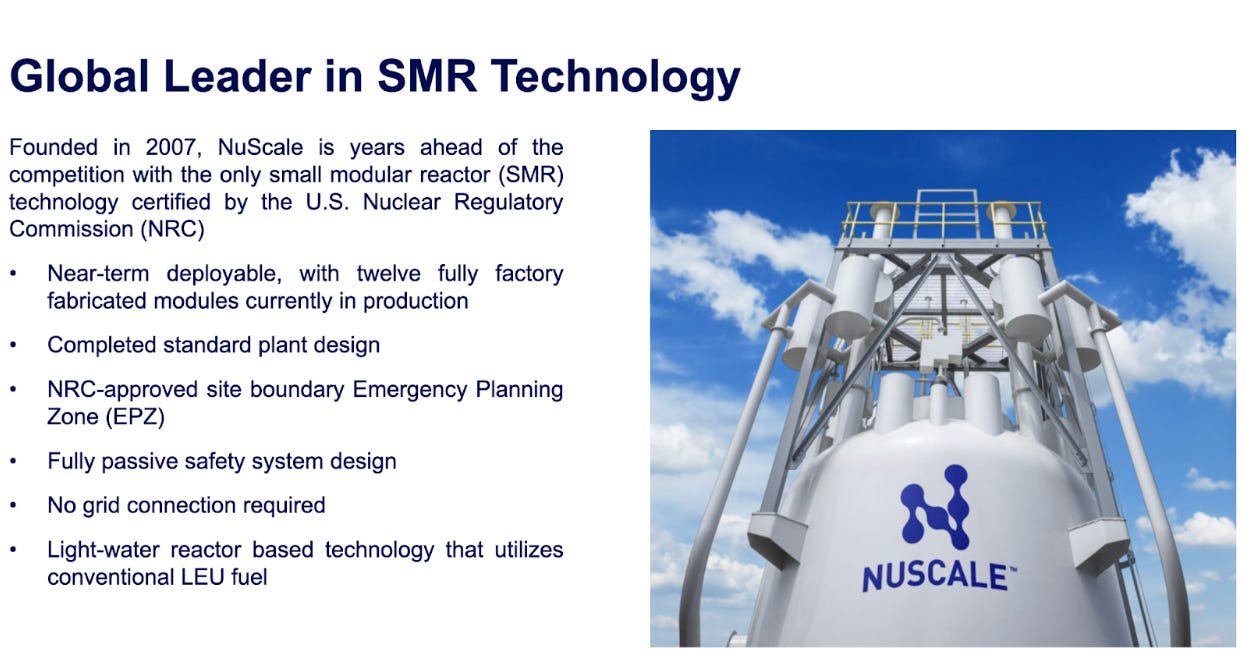
In the United States,NuScaleandTerraPowerare clear leaders. NuScale’s light-water SMR is the first to pass U.S. Nuclear Regulatory Commission review, with planned deployment in Idaho. TerraPower’s Natrium project, supported by the U.S. Department of Energy, plans a demonstration plant in Wyoming.
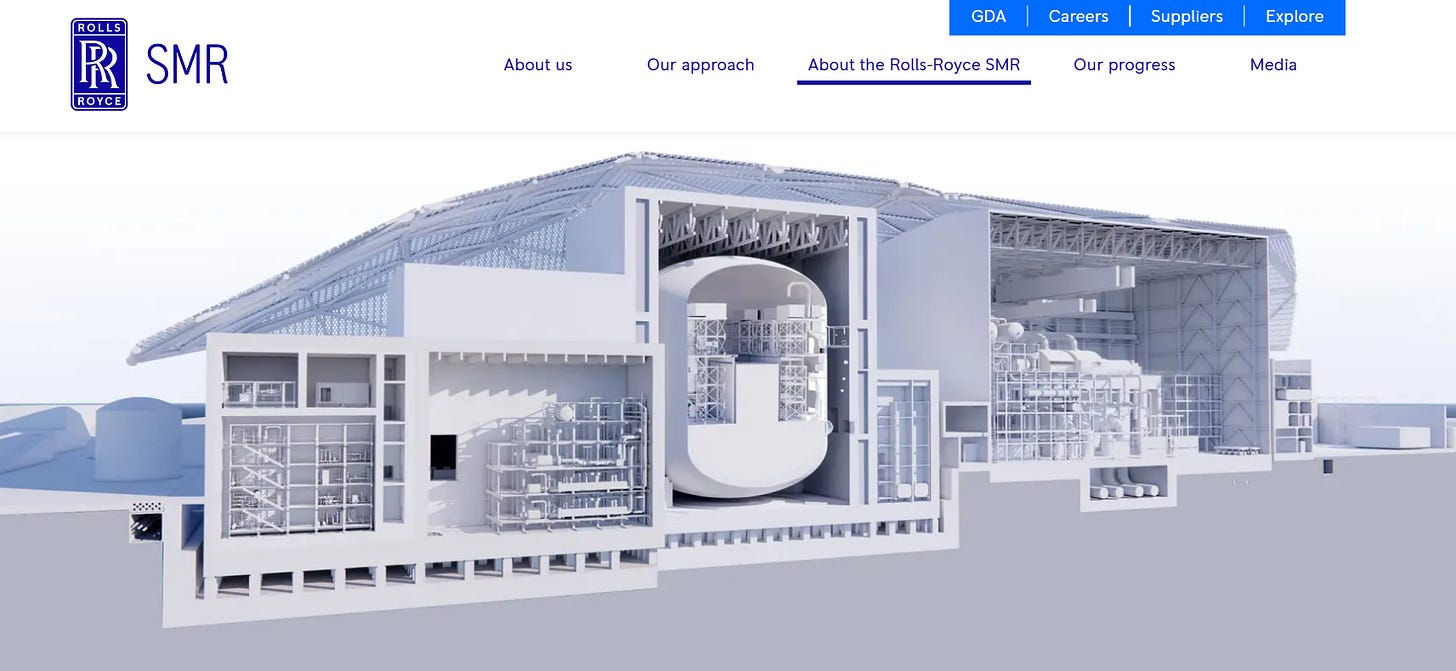
In the UK,Rolls-Royce SMRhas strong government backing, targeting grid connection in the mid-2030s.
Chinais building the world’s first commercial modular small pressurized-water reactor,“Linglong One,”in Hainan, while also advancing high-temperature gas-cooled reactors.
Canada, France, and Russia are pursuing their own SMR and advanced reactor programs. The ecosystem also includes innovative firms and research organizations such asX-energy(high-temperature gas-cooled reactors) and Commonwealth Fusion Systems (fusion-focused but strategically relevant).
Long-term graphite agreement strengthens X-energy supply chain
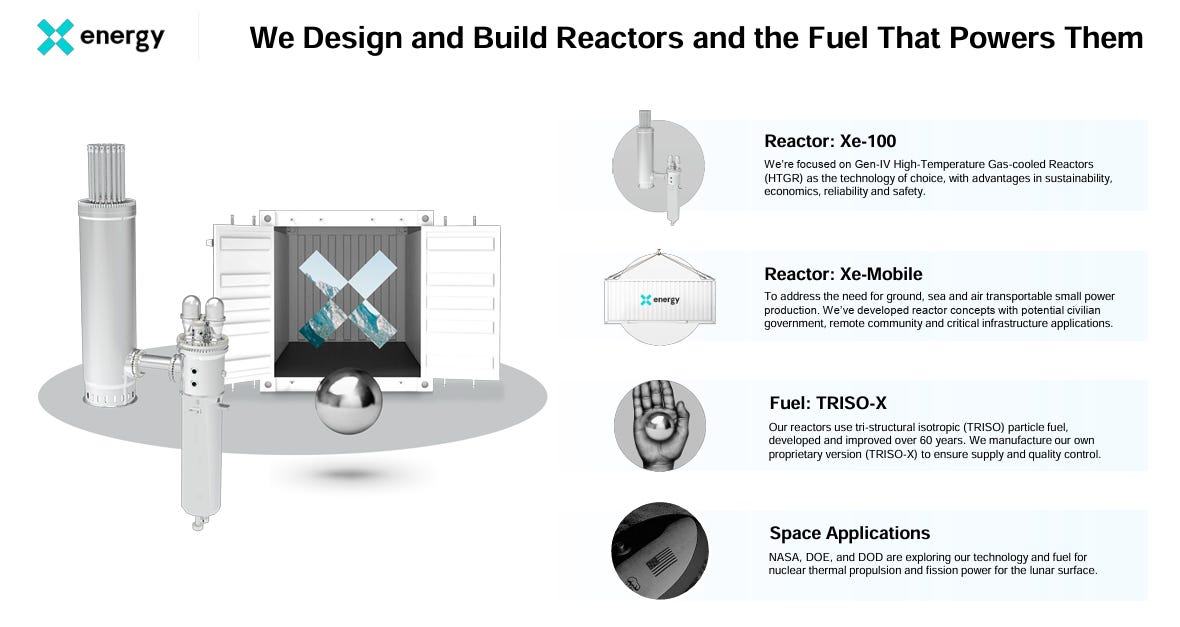
Taken together, 2026 will be a proving year: multiple advanced nuclear projects are moving from blueprints to construction. If they demonstrate technical and economic viability, next-generation nuclear power could profoundly reshape the global energy landscape, providing stable, low-carbon electricity to underpin the green transition.
- Gene “Resurrection”

Trend Overview:
Gene resurrection is listed as a 2026 breakthrough technology because recent advances in data accumulation and gene-editing tools have made practical conservation applications increasingly tangible. For example, researchers are exploring the idea of introducing specific disease-resistance gene segments from extinct animals into the genomes of their closest living relatives to enhance resilience—an approach often described as “genetic rescue.” Similarly, U.S. startupColossal Biosciencesis attempting to start from the Asian elephant and, through gene editing, reintroduce mammoth traits such as long hair and thick fat layers, with the goal of producing a cold-tolerant “mammoth-like elephant” within the coming years and eventually rewilding it in polar regions to help restore ancient ecosystems.

Beyond scientific curiosity, these efforts are motivated by potential benefits for medicine and climate mitigation. Studying genes from extinct species may reveal new drug targets or biological functions, while reviving certain ancient genes could help create climate-adapted organisms for ecosystem restoration—for example, using mammoth-like elephants to reshape tundra environments and slow permafrost thaw. As biological databases expand and CRISPR-based editing tools mature, gene resurrection is moving from a speculative idea toward laboratory feasibility.
Commentary:
The future potential of gene resurrection lies primarily in biodiversity conservation and biotechnology innovation. From a conservation perspective, it offers a new way to rescue endangered species by focusing not just on population size but on restoring lost genetic diversity. Scientists can extract DNA from museum specimens or cryopreserved samples of extinct subspecies, identify alleles that confer disease resistance or environmental adaptability, and then use gene editing to introduce these genes into embryos of living endangered species—effectively using the past to strengthen the present. Similar strategies have been proposed for critically endangered species such as the white rhinoceros, by introducing immune-related genes from extinct close relatives to enhance resistance.
In medical research, resurrecting ancient genes may lead to unexpected discoveries. Advances in paleogenomics have shown that some ancient human or animal gene variants can confer protection against modern diseases. Certain Neanderthal gene variants, for instance, are associated with enhanced immune responses, suggesting potential avenues for new therapies if these effects can be harnessed clinically. Although still in an early stage, the medical potential is significant.
Gene resurrection may also contribute to ecosystem restoration and climate response. Colossal’s mammoth project, for example, aims to reintroduce mammoth-like elephants into Siberian tundra, where their grazing behavior could reshape vegetation and reduce carbon emissions. While controversial, the idea opens a novel line of thinking: that reintroducing extinct “ecosystem engineer” species could help counteract some effects of climate change.
That said, the field is fraught with challenges and controversy. Technically, bridging the gap from gene sequences to living animals is extraordinarily difficult. Even with a complete genome—often fragmented or incomplete—editing hundreds of gene sites in a living relative and successfully producing healthy offspring remains a major scientific hurdle. In the mammoth case, Colossal estimates that roughly 85 gene edits are required to confer cold tolerance in Asian elephants, of which only about 25 have been tested so far. Long gestation periods in large mammals (22 months for elephants) further slow experimentation. Reproductive technologies also pose limits: many extinct species lack suitable surrogate mothers, and relying on endangered relatives as surrogates raises ethical concerns.
Ethically, gene resurrection poses difficult questions. Do humans have the right to recreate species that nature has eliminated? How would resurrected animals survive in modern ecosystems, and could they disrupt existing ecological balances? Many scientists argue that limited resources should prioritize saving existing endangered species rather than reviving extinct ones. Public opinion is deeply divided, with some celebrating the technological achievement and others questioning its value and risks. As a result, a more pragmatic path may be “genetic rescue” rather than full de-extinction—using extinct genes to enrich the gene pools of living species. Regulatory gaps also remain, particularly regarding the release of gene-edited animals into the wild.

Contrary Research - Colossal Biosciences
The nonprofitRevive & Restorehas long promoted projects such as bringing back the passenger pigeon, emphasizing synthetic biology as a tool for conservation. In academia, teams led by Harvard’s Professor George Church have been working on mammoth gene editing since 2015, while researchers in Australia and Russia focus on species such as the thylacine and cave lion. Major conservation organizations, including the IUCN, are closely monitoring developments and working toward ethical guidelines.
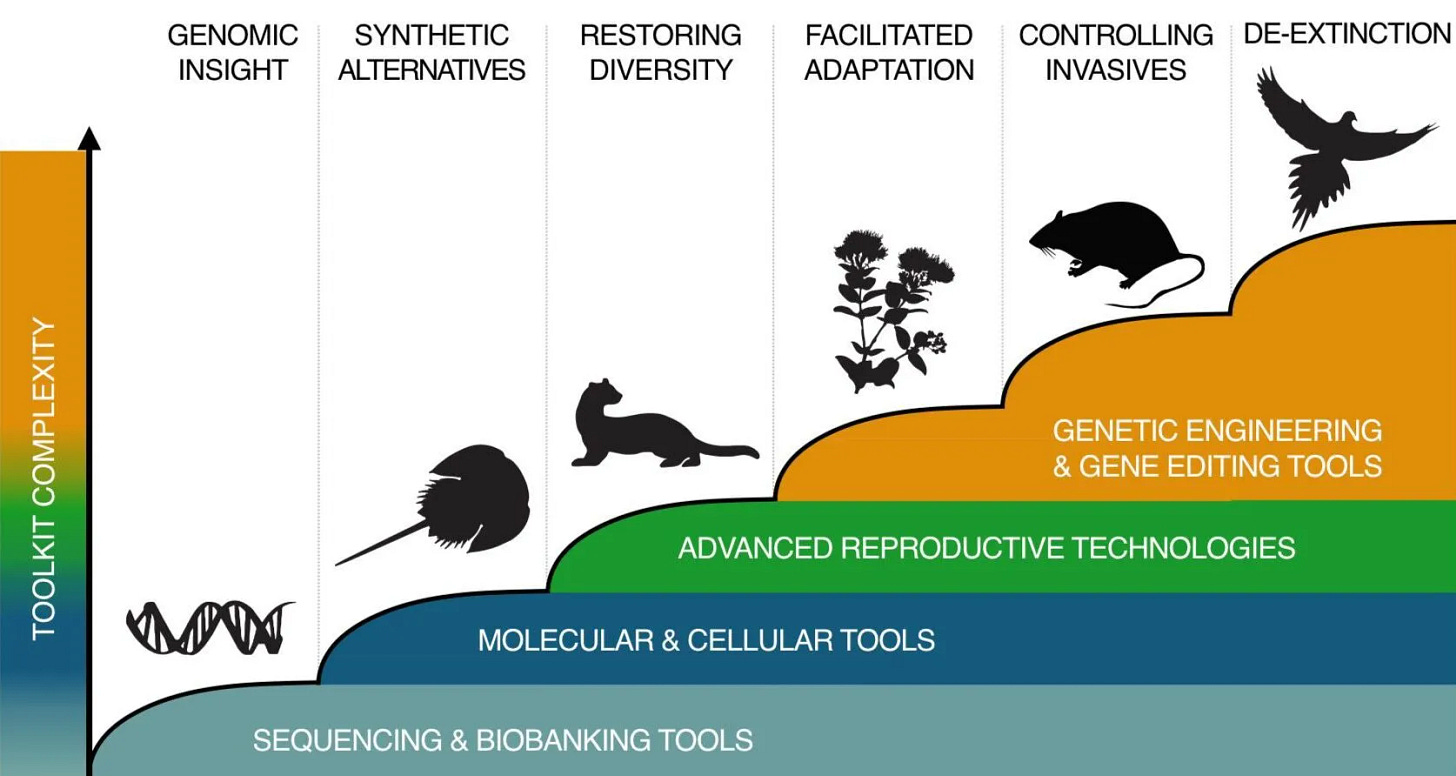
Revive and Restore provides funds to researcher partners worldwide to develop new tools for the Genetic Rescue Toolkit. We support early-stage, proof-of-concept projects that translate advanced biotechnologies to wildlife conservation applications that currently lack viable solutions. Our projects come with a lot of technical risk, but offer the potential of major rewards for species restoration.
Overall, gene resurrection stands at a pivotal moment, transitioning from theory toward application. If the first mammoth-like calf or another resurrected species is successfully born in the coming years, it would mark a milestone in biotechnology. Regardless of the outcome, the debate it provokes about humanity’s relationship with nature is already profound. As some commentators note, the ultimate goal may not be to play creator by reviving lost life, but to use these cutting-edge technologies to better protect the diversity of life that still exists on Earth.
- Hyperscale AI Data Centers

Trend Overview:
As artificial intelligence models (such as GPT-4, GPT-5, and beyond) grow exponentially in parameter scale, demand for computing resources has reached unprecedented levels. Hyperscale AI data centers have therefore emerged as critical infrastructure in the global race for AI leadership . These facilities aggregate tens of thousands of high-performance GPUs or dedicated AI accelerators, interconnected via ultra-high-speed networks, functioning collectively as massive supercomputers .
Key characteristics include:
Extreme compute scale:often reaching exa-scale performance, enabling the training of models with tens of trillions of parameters .
Extraordinary power consumption:entire campuses can consume electricity comparable to a small city, requiring highly sophisticated power delivery and cooling systems .
Advanced engineering:widespread adoption of liquid cooling and immersion cooling, along with ultra-dense rack designs to maximize compute per square meter.
By 2026, leading technology companies and national governments are aggressively investing in hyperscale AI cloud infrastructure to meet surging training and inference demand. The United States has already built multiple AI super-data centers supporting model development for OpenAI, Meta, and others, while China is accelerating its “East Data, West Computing” initiative to establish national AI compute hubs. According to the International Energy Agency (IEA), global data-center electricity consumption is projected to nearly double between 2024 and 2030—far outpacing overall electricity demand growth—largely driven by AI workloads . As a result, hyperscale AI data centers rank among the most consequential breakthrough technologies, highlighting that compute supply has become a core constraint of the digital economy .

Source: SK Hynix
Commentary:
The industrial significance of hyperscale AI data centers is comparable to that of the steam engine during the Industrial Revolution: they are foundational engines of technological progress and economic growth. Massive compute infrastructure enables frontier AI research—training next-generation models can require months of continuous, large-scale computation. Without such facilities, training systems at the level of GPT-5 would be nearly impossible.
These centers also deliver AI inference as a service, allowing industries to access advanced AI capabilities through the cloud and accelerate digital transformation. Autonomous-driving companies rely on cloud-scale AI to process vast real-time sensor data, while pharmaceutical firms use cloud AI for drug discovery—both fundamentally dependent on high-performance AI data centers. In this sense, compute capacity has become a new form of “productive force” in the AI era .
At the industry level, hyperscale AI data centers drive coordinated innovation across chips, telecommunications, energy, and construction. Surging demand for high-end GPUs and AI accelerators accelerates semiconductor innovation; optical interconnects and high-speed switches evolve to meet internal bandwidth requirements; and power and cooling engineering gain entirely new markets. Global capital expenditure on AI-oriented data centers is expected to reach tens of billions of US dollars by 2025, making it one of the largest categories of technology infrastructure investment . Governments increasingly view AI compute capacity as a strategic asset, with the US, China, and Europe all launching supportive policies to compete for leadership in AI infrastructure.
At the same time, significant challenges accompany this trend.
First is theenergy challenge: hyperscale data centers consume enormous amounts of electricity—one AI cloud campus can use as much power annually as hundreds of thousands of households . Under global carbon-neutrality goals, how can such demand be met without increasing emissions? Operators must work closely with the energy sector, sourcing renewable power or even building dedicated green-energy assets . Some advanced facilities have deployed direct liquid cooling and waste-heat recovery systems, reusing excess heat for district heating to improve energy efficiency . Others are even exploring small nuclear reactors as future data-center power sources to ensure stable, low-carbon electricity .
Second is the engineering challenge. Facilities with such extreme power density require fundamentally new design approaches—from site selection (proximity to low-cost power and water), to building structure (floor loading and seismic resilience), to cooling systems (where traditional air cooling is insufficient, necessitating liquid or immersion cooling at scale) . This evolution is transforming data centers from IT facilities into energy-IT integrated industrial systems .
Third,cost and utilizationmust be balanced. Top-tier AI data centers are extraordinarily expensive, affordable only to a handful of tech giants and governments. Maximizing utilization—such as through intelligent scheduling and multi-tenant workload orchestration—is essential to amortize costs. Finally,geopolitical and security riskscannot be ignored. Concentrating massive compute capacity in a few locations creates potential single points of failure and intensifies international competition over AI power.
In Europe, although commercial players are less dominant, government-backed supercomputing centers such as France’s Jean Zay and Italy’s Leonardo support research and enterprise AI. On the hardware side, NVIDIA occupies a central position, with A100, H100, and successor GPUs forming the backbone of AI compute. In networking and power infrastructure, companies such as Cisco, Huawei, ABB, and Siemens provide critical switching and electrical systems. Looking ahead, more cross-sector collaboration is expected—technology firms partnering with utilities and governments to build national and regional “AI compute hubs.”
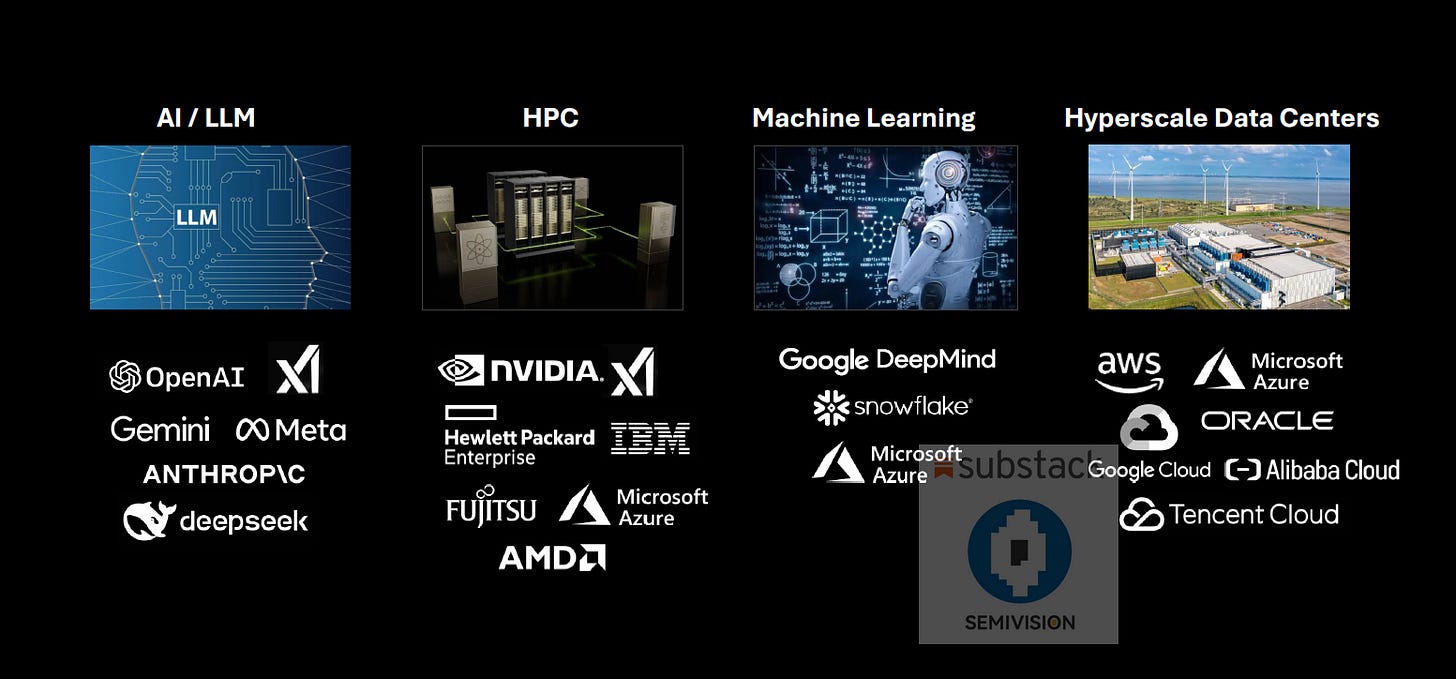
In summary, hyperscale AI data centers are both a technological trend and a focal point of national power competition. They will determine who can train the most advanced AI models first—and thereby gain economic and strategic advantages. Balancing the relentless pursuit of compute scale with sustainable operation will be one of the defining challenges of the AI era.

2025年6月17日

2025年8月7日

2025年5月19日
- Mechanistic Interpretability

Trend Overview:
Although today’s AI systems—especially large language models (LLMs)—demonstrate remarkable capabilities, their decision-making processes remain largely a black box to humans. Mechanistic interpretability aims to reveal the internal computational structures and causal chains of deep learning models using approaches akin to reverse engineering, transforming opaque correlations into verifiable mechanisms . This field was selected as a 2026 breakthrough technology because it is increasingly seen as essential to AI safety and reliability: only by understanding how models internally represent and process information can we anticipate their limitations and biases.

In recent years, both academia and industry have significantly increased investment in mechanistic interpretability, leading to the emergence of new methods. Some research teams, for example, apply graph-based analysis to represent neuron activation relationships during specific inputs, mapping a model’s internal “computational pathways” . In March 2025, researchers at Anthropic published a methodological paper proposing the construction of attribution graphs for LLM behavior by selectively modifying parts of a model and observing output changes. Using this approach, they successfully identified internal circuits supporting basic arithmetic and factual queries in a mid-sized language model . Other work focuses on linking latent representations to interpretable concepts—for instance, using autoencoders to discover “feature directions” in activation space and aligning them with human-understandable semantics to test whether models encode conceptual “switches.”
Overall, mechanistic interpretability is shifting AI research away from surface-level input–output correlation analysis toward uncovering first-principles internal structure . This represents a paradigm change: models are no longer treated as unknowable neural black boxes, but as complex yet analyzable computational systems.
Commentary:
The primary value of mechanistic interpretability lies in improving the reliability and safety of AI systems. Deploying large AI models in high-risk scenarios—such as autonomous driving, medical decision-making, or financial trading—requires assurance that models will not behave in opaque or potentially dangerous ways. Mechanistic analysis can help engineers identify internal triggers and pathways that lead to errors . For example, it may reveal where certain hallucinations (fabricated responses) originate within a model, or which input features activate harmful outputs. This enables targeted interventions: adjusting weights, adding constraints, or inserting human oversight at vulnerable modules to reduce risk. Over time, mechanistic interpretability could make AI debugging resemble traditional software debugging—rather than today’s largely trial-and-error fine-tuning .
From an industry perspective, interpretability is also becoming a competitive requirement. As regulators worldwide raise expectations for AI transparency, companies that can explain how their models work are more likely to earn regulatory approval and customer trust—particularly in sensitive domains like healthcare and finance. In this sense, interpretability is no longer just a research concern but a market demand. For example, draft versions of the EU AI Act lean toward requiring a degree of explainability for high-risk AI systems. This could give rise to a new AI auditing and certification industry, in which mechanistic tools are used to test models, evaluate behavioral logic, and issue trust certifications . Progress in mechanistic interpretability will directly affect how quickly AI can be deployed in fields such as medicine, defense, and transportation: the stronger the explanatory power, the easier it is to pass review and gain public acceptance .
Nevertheless, significant challenges and limitations remain. First, modern models often contain hundreds of billions of parameters; fully interpreting them is comparable to understanding the entire human brain. Current research therefore focuses on smaller models or specific submodules, with comprehensive analysis of systems like GPT-4 still out of reach. Second, the granularity of explanation is difficult to balance: overly high-level explanations can be superficial (“the model is detecting sentiment”), while overly low-level ones drown in matrix operations with little intuitive value. Researchers must identify intermediate representations that are both meaningful and testable. Recent progress—such as identifying how combinations of attention heads in Transformer models contribute to specific tasks—marks a step in this direction .
Third, some scholars warn of the risk of“interpretation hallucinations”: humans may impose overly simplified explanations on complex systems, creating a false sense of understanding. Interpretations must therefore be rigorously validated—for example, through adversarial testing—to ensure that identified mechanisms truly function as claimed rather than reflecting analyst bias . Finally, there are concerns around intellectual property and misuse: does deep analysis of proprietary models infringe on trade secrets, and could malicious actors exploit interpretability findings to identify vulnerabilities? These issues require careful balancing and safeguards.
Key contributors in this field include leading AI research teams and several emerging organizations. Researchers at OpenAI and Anthropic have been central drivers: OpenAI’s early Circuits team published influential work on interpreting vision models, while Anthropic has recently released a series of advances in LLM mechanism analysis . Academic institutions such as MIT, Stanford, and DeepMind host dedicated interpretability groups, and independent research communities—including EleutherAI and Redwood Research—have contributed valuable tools and analyses. As model scale continues to grow, more cross-disciplinary collaboration is likely, with neuroscientists and biologists applying insights from brain research to help decode artificial networks.
In summary, mechanistic interpretability is a critical step toward AI maturity. Only by truly understanding how these complex models operate internally can we confidently deploy them in life- and safety-critical applications—and ensure that when failures occur, causes can be traced and corrected . The advances seen around 2026 signal humanity’s effort to decode the “black-box brain” it has created, bringing artificial intelligence closer to being knowable, controllable, and trustworthy.
- Commercial Space Stations
Trend Overview:
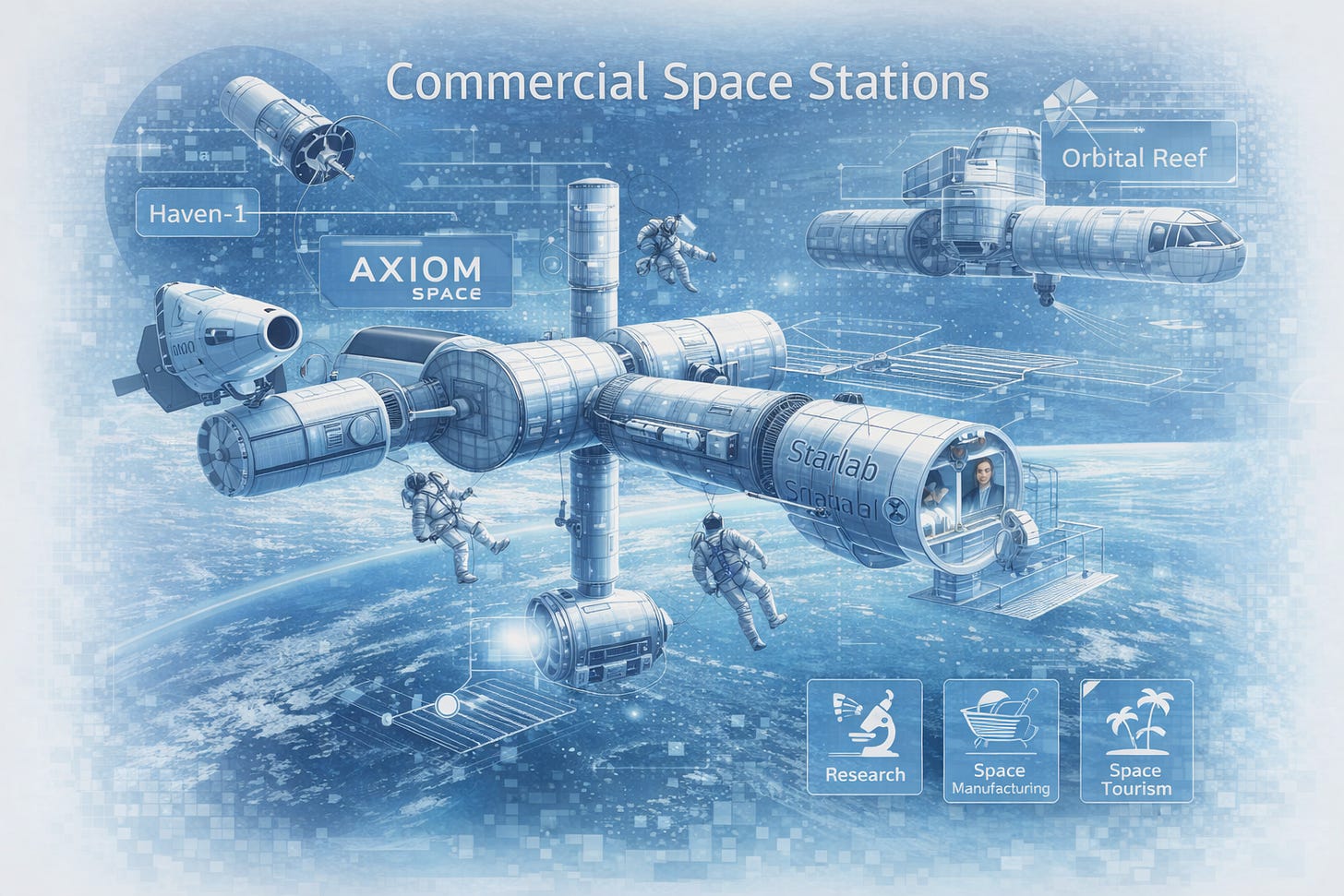
In recent years, human activity in low Earth orbit (LEO) has been shifting from government monopolies toward commercial participation. A wave of commercial space station projects is emerging, signaling that after the retirement of the International Space Station (ISS), the baton of orbital operations will increasingly be carried by private companies. These stations are designed and built by commercial entities and intended to be leased to national space agencies, research institutions, and even paying space tourists, supporting microgravity research, space manufacturing, and tourism experiences.
The year 2026 is widely regarded as a pivotal moment for commercial space stations. US startup Vast Space plans to launch the world’s first privately owned orbital space station, Haven-1, in May 2026 aboard a SpaceX rocket.Haven-1will initially consist of a single, bus-sized module capable of hosting four astronauts for around ten days, serving as a testbed for commercial human spaceflight.

The world’s first commercial space station - Vast Space Haven-1
Close behind,Axiom Spaceis constructing the Axiom Station: its first module is expected to dock with the ISS in 2026, with additional modules added before the station separates and becomes fully independent by around 2030.
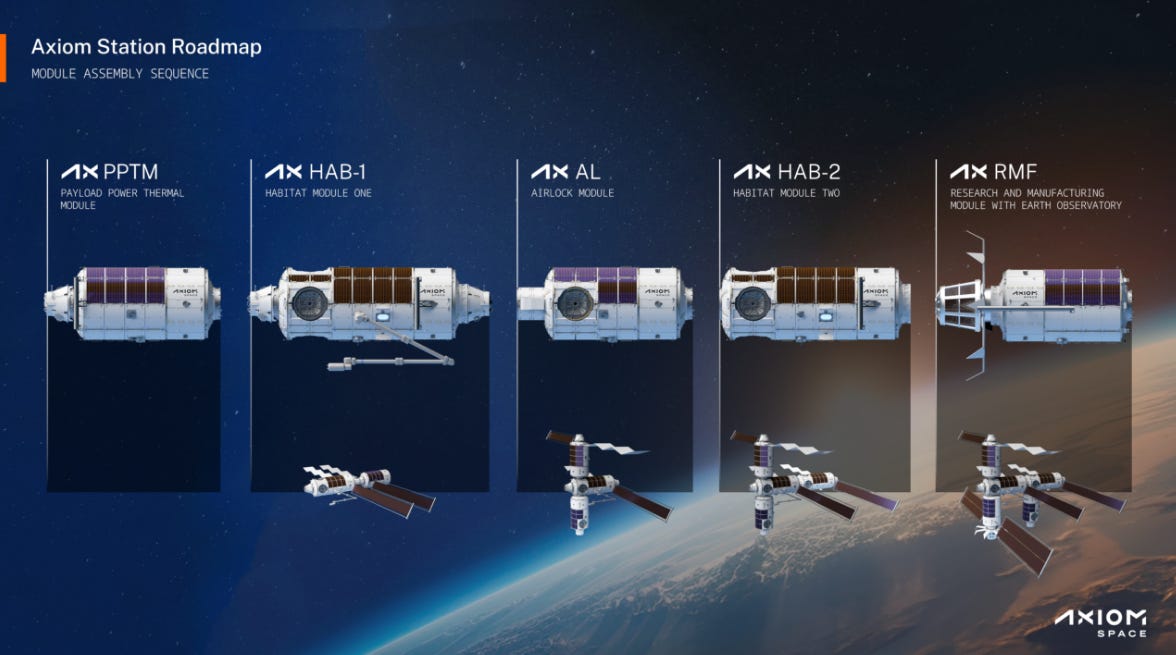
Other major initiatives includeStarlab, led by Voyager Space in partnership with Lockheed Martin and planned for launch around 2027.

Orbital Reef,backed by Blue Origin and targeting deployment around 2030.
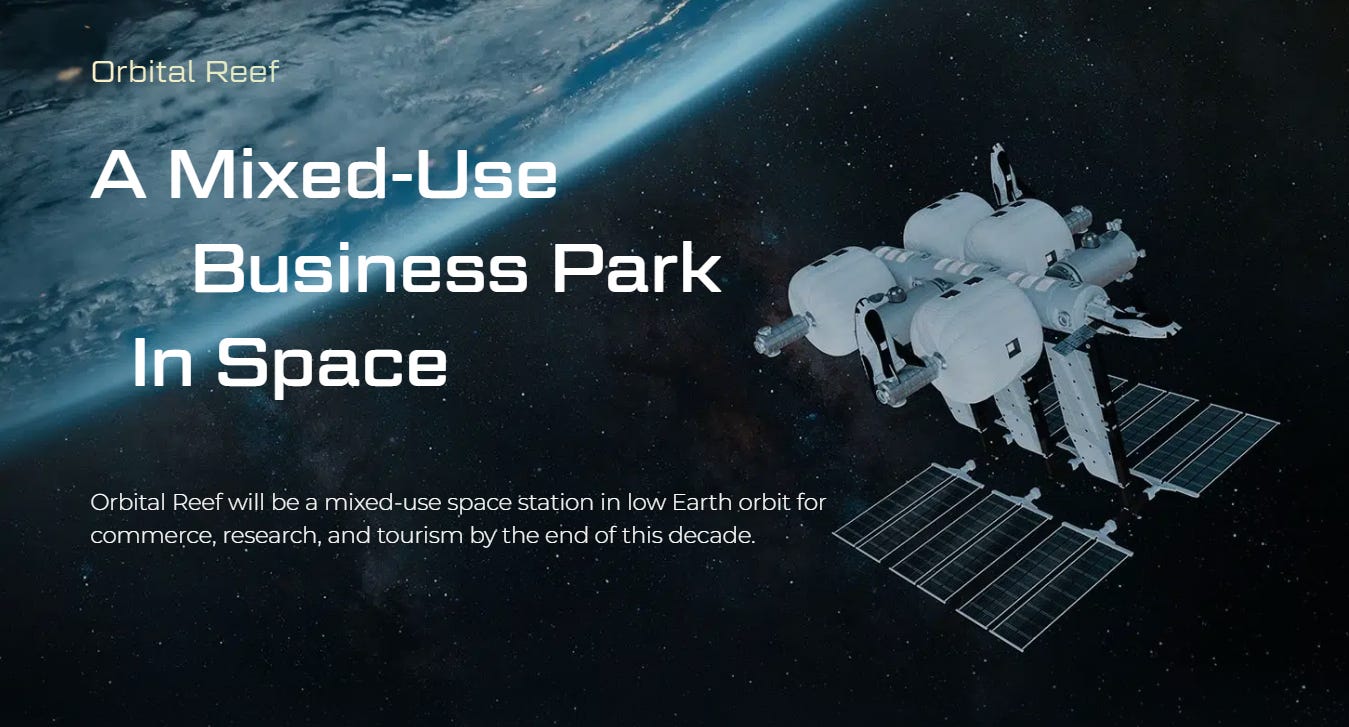
The proliferation of these projects underscores space as an emerging commercial economy. Space tourism is no longer science fiction: by 2023, Virgin Galactic and SpaceX had already flown civilian passengers to suborbital space or orbit. In the coming years, space-hotel-like accommodations aboard commercial stations are expected to welcome their first paying guests. For these reasons, commercial space stations appear on the 2026 breakthrough technologies list, symbolizing the transition of orbital activity from “government missions” to “commercial infrastructure”.
Commentary:
The rise of commercial space stations is poised to transform the LEO economy from exploratory missions into a more sustainable, service-oriented model. Their most immediate value lies in research and industrial applications. Microgravity enables experiments that are difficult or impossible on Earth, such as high-quality protein crystal growth, pharmaceutical development, biological cultivation, and advanced materials synthesis. Previously, such opportunities were scarce due to limited ISS capacity. Commercial stations will dramatically expand access, allowing pharmaceutical and materials companies to pay for orbital research in pursuit of breakthrough results.
A second major application is space tourism and cultural impact. An increasing number of wealthy individuals and space enthusiasts seek firsthand experiences in orbit. Commercial space stations can provide relatively safe and structured “space lodging” services. Axiom Space has already sold several future space station tourism tickets—priced in the tens of millions of dollars—allowing travelers to stay for several days, experience weightlessness, and view Earth from orbit. Beyond creating a high-end tourism market, this also helps popularize space exploration and inspire public interest, potentially fueling a new wave of STEM education.
Commercial space stations may also support space-based manufacturing. Certain semiconductors, alloys, or advanced materials may achieve superior quality under microgravity conditions, opening the door to business models where products are manufactured in orbit and returned to Earth for sale. Strategically, commercial stations lower the barrier for countries and organizations to participate in space activities: instead of building their own stations, they can simply rent modules or research time, accelerating the growth of a broader space-economy ecosystem.
That said, the challenges are substantial. First, the technical bar for building and operating a space station is extremely high. Life-support systems, attitude control, docking mechanisms, and long-term reliability must all function flawlessly—failure in any one area could be catastrophic. While private companies bring innovation and speed, they must still draw heavily on decades of experience accumulated by government agencies. This is why most projects closely collaborate with NASA and undergo rigorous testing and certification.
Second, long-term commercial viability remains uncertain. Building a space station can cost billions of dollars, and without a stable flow of paying customers, operations may not be sustainable. The key is creating a continuous demand loop: attracting recurring scientific users (government experiments, commercial R&D) alongside a steady stream of tourism customers, so that station capacity remains fully utilized. Reducing costs is critical—launch and logistics expenses must fall further through reusable rockets and operational efficiencies, or prohibitively high prices will limit demand.
Third, regulatory and liability issues are becoming more prominent. Who regulates activities on privately owned space stations? How is responsibility assigned in the event of accidents, and how should insurance frameworks operate? International norms are still evolving. NASA has begun signing service contracts with commercial station operators and planning the transition of ISS missions after retirement, but regulatory standards and handover mechanisms remain a work in progress. Finally, there is the issue of orbital congestion and space debris: more stations and flights could exacerbate crowding in LEO, requiring proactive debris-mitigation and coordination strategies.
Key Players:
The commercial space station landscape is currently dominated by several US companies supported by NASA, along with launch providers enabling orbital access. Axiom Space is the clear frontrunner, having secured NASA contracts to attach modules to the ISS and later operate independently. Its privately funded astronaut missions (Ax-1, Ax-2, Ax-3) have successfully traveled to and from the ISS, building operational experience. Vast Space, though younger, is highly ambitious—if Haven-1 launches as planned in 2026, it will mark a historic first. The Starlab project, led by Nanoracks/Voyager Space with Lockheed Martin, has received USD 160 million in NASA funding and remains under development. Orbital Reef, developed by Blue Origin and Sierra Space, has secured an initial USD 130 million from NASA and is designed to host up to ten occupants.
On the launch and transport side, SpaceX’s Falcon 9 rocket and Crew Dragon spacecraft are the designated vehicles for most of these projects, effectively making SpaceX a key operational partner in the commercial space station ecosystem.
Internationally, China’sTiangongspace station—completed in 2022 and open to international cooperation and commercial experiments—also exhibits quasi-commercial characteristics.
Overall, the latter half of the 2020s is likely to witness multiple commercial space stations move from concept to reality. Their success will depend on how well companies manage technical risks and market dynamics. If successful, humanity’s space economy will enter a new era—where orbit is no longer the exclusive domain of government scientists, but also hosts entrepreneurs, tourists, and diverse innovators, collectively extending the boundaries of human economic activity hundreds of kilometers above Earth.
- Embryo Scoring

Trend overview:
In modern reproductive medicine, in vitro fertilization (IVF) has become widely used, and clinicians often perform genetic screening before embryo transfer to avoid serious inherited diseases. Embryo scoring pushes this concept further: by combining genetic sequencing with statistical models, it attempts to make broader predictions—and assign “scores”—about an IVF embryo’s future outcomes. In other words, it goes beyond screening for single-gene disorders and tries to estimate the embryo’s future risk of common diseases, and even the likely range of certain non-medical traits such as cognitive ability or educational attainment. In 2026, embryo scoring was selected as a breakthrough technology because whole-genome sequencing has become cheaper, and polygenic risk score (PRS) algorithms—trained on large population datasets—have matured to the point where, in theory, multiple predictive indicators can be generated from each embryo’s genome. Some startups claim they can now provide “predictive scores” for almost any quantifiable trait. For example, the U.S. companyGenomic Predictionoffers IVF embryo genetic reports that it says can estimate adult risks for conditions such as type 2 diabetes and certain cancers, and may even compute polygenic indicators related to intelligence (though it does not display these directly to customers to avoid ethical controversy). Another company, Orchid, provides more comprehensive embryo whole-genome sequencing reports. However, this approach is highly controversial both scientifically and ethically. First, these predictions are probabilistic rather than deterministic, and many traits are heavily shaped by environment—genes explain only part of the variation. Second, model accuracy differs substantially across populations, raising questions about reliability. Most importantly, it involves making choices at the earliest stage of life based on uncertain predictions, which has triggered concerns about a resurgence of eugenic thinking. As a result, although embryo scoring is technically feasible and already being commercialized, it has also become a focal point of intense debate in 2026.
commentary:
Embryo scoring represents a frontier where reproductive technology meets data science, but its future is profoundly dual-sided. On one hand, from a medical perspective, a carefully constrained use of embryo scoring could improve IVF success rates and newborn health. For instance, among multiple embryos, genetic analysis can help clinicians choose embryos without pathogenic variants and with lower predicted health risks, potentially reducing the likelihood of genetic disease and miscarriage. Some fertility centers are piloting polygenic scoring to estimate implantation success and pregnancy outcomes, helping physicians optimize embryo selection. Over the long term, if datasets become sufficiently robust and models become reliably accurate, embryo scoring could theoretically be used to reduce risks of common diseases. For example, if one embryo is predicted to have a lower adult risk of heart disease or diabetes than another, selecting that embryo might improve the child’s expected healthspan on average. From an industry standpoint, embryo scoring opens a new market layer in reproductive services. As more families prioritize the health and education of the next generation, some may be willing to pay for what appears to be an authoritative genomic scoring report—despite the enormous controversy. A growing number of companies are entering this space, suggesting perceived commercial potential; notable players include Genomic Prediction,Orchid Health, andMyOme. In societies where “reproductive quality” receives outsized attention, embryo scoring may even be packaged as a premium add-on within IVF offerings.
But the scientific and ethical obstacles to widespread adoption are severe. First, scientific validity remains in question: PRS can show moderate predictive power for some conditions, but its explanatory power for highly complex traits (such as cognitive ability or height) is limited. Moreover, many models are trained primarily on European-ancestry datasets, leading to poorer accuracy in other populations and introducing systematic bias. If embryo selection is made on such foundations, it risks drifting into pseudo-scientific practice. Leading journals and researchers have strongly criticized commercial hype around “embryo intelligence screening,” arguing that the uncertainty is substantial and far from clinical-grade reliability. Second, ethical concerns are even sharper: does embryo scoring open the door to a new form of eugenics? Could it allow affluent families to “optimize” their children while others cannot, deepening social inequality? Might it also stigmatize disability and human diversity—implicitly suggesting that embryos predicted to be “lower scoring” are less worthy of life? Many ethicists and regulators have warned about these risks. In 2023, the UK’s Human Fertilisation and Embryology Authority (HFEA) publicly advised strongly against using unvalidated polygenic scores for embryo selection, describing it as neither scientifically grounded nor ethically acceptable. In many European jurisdictions, laws already restrict embryo selection for non-medical traits; in the United States, some clinics that explored offering cognition-related screening reportedly paused amid public and professional pressure. Regulatory policy is therefore likely to be the decisive variable. Over the next few years, more governments may draw explicit boundaries—what embryo genetic assessments are allowed (e.g., severe disease risk) versus prohibited (e.g., non-medical trait selection). This will directly shape the industry’s trajectory.
UK IVF couples use legal loophole to rank embryos based on potential IQ, height and health
Finally, the psychological and societal consequences deserve attention: if parents choose a child based on a portfolio of scores, will parent–child relationships become commodified? How might children feel later in life if they learn they were “selected” for specific predicted traits? These questions do not have simple answers.
At present, the core participants—many of the companies mentioned above—are effectively walking a tightrope, pushing commercialization while facing mounting scrutiny. Large IVF clinics are watching closely, weighing whether to introduce such services to attract clients. In academia, research teams at institutions such as Stanford and Columbia are analyzing multi-center datasets to evaluate the reliability and limitations of embryo polygenic scoring. Regulators in the U.S., the EU, and the UK have also elevated the issue. Between 2026 and 2028, the evidence base and regulatory landscape will likely become clearer. If harms outweigh benefits, legal restrictions could tighten; if benefits prove real and clinically meaningful, an exceptionally strict governance framework will still be needed to prevent misuse. Embryo scoring is a step filled with temptation and hidden hazards in humanity’s attempt to intervene in life itself—and it demands extreme caution to avoid repeating the tragedies associated with historical eugenics.
- Generative Coding
Trend Overview:
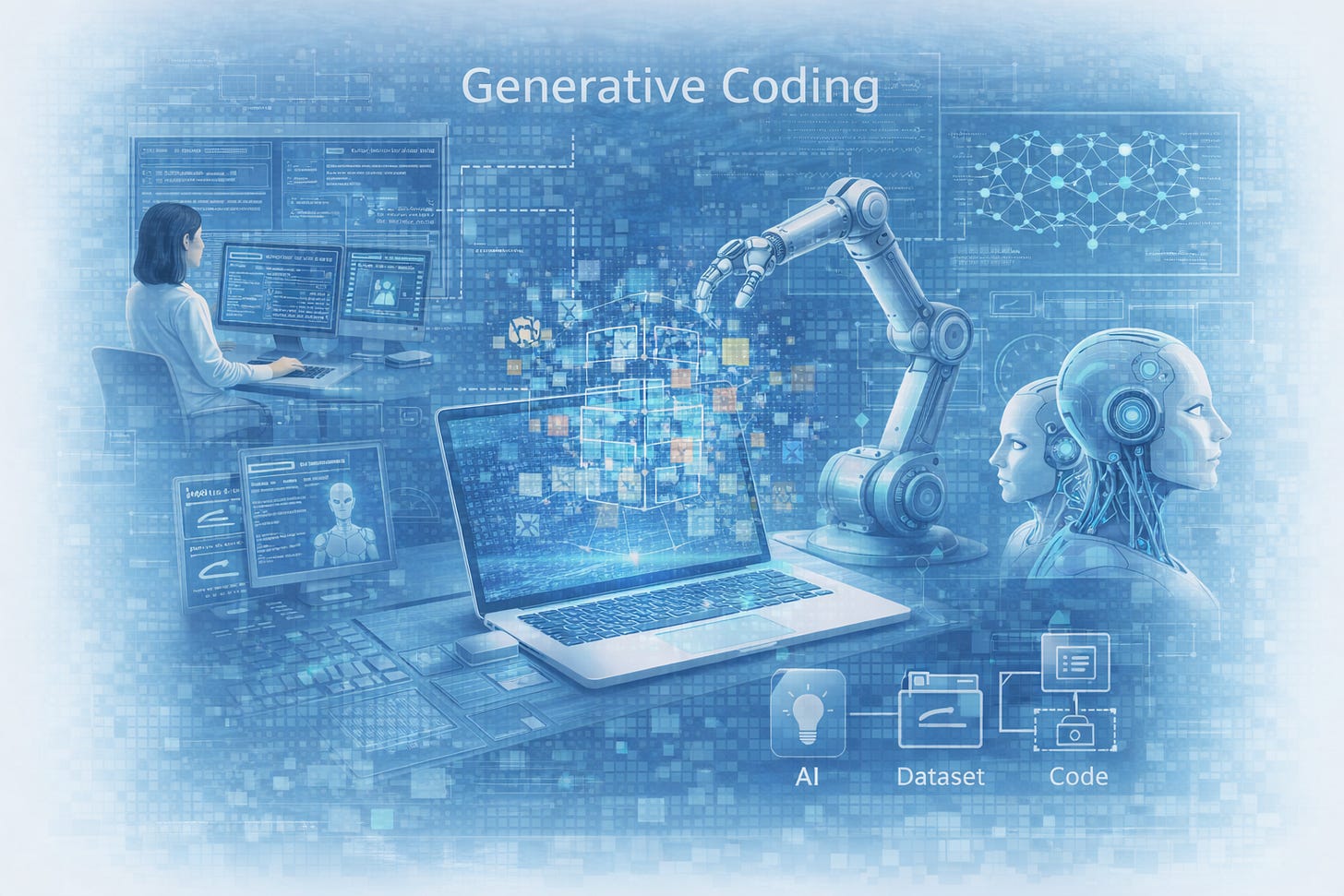
Software development is being fundamentally redefined by artificial intelligence. Generative coding refers to the use of AI models to automatically generate, complete, or repair code—technology widely regarded as capable of dramatically accelerating software writing, testing, and deployment.
In recent years, AI programming assistants such as GitHub Copilot and ChatGPT’s code-generation modes have been widely adopted by developers worldwide. From auto-completing a few lines of code to generating entire functions from natural-language descriptions, AI is increasingly participating in—and in some cases leading—the coding process.
The key breakthrough heading into 2026 is that these tools are evolving from assistive utilities into semi-autonomous development agents. GitHub Copilot, for example, can now generate code directly from GitHub Issues and submit pull requests. Anthropic has introduced enterprise-focused AI agents capable of analyzing requirements, generating code, iterating based on feedback, and committing changes autonomously.
These developments signal a structural shift: software development is moving from “humans writing code” to “humans defining intent while machines write code”, and potentially toward AI completing entire development workflows end-to-end. The productivity gains are substantial. GitHub reports that a significant share of new-generation developers regularly use AI coding tools, with average coding speed improvements of 20–50%.
Generative coding’s inclusion in the 2026 Breakthrough Technologies list reflects the fact that it has crossed the threshold from proof-of-concept to a new development paradigm, widely regarded as the most significant transformation in software engineering in over a decade.
Commentary:
The application potential of generative coding spans virtually all areas of software development, with enormous industrial impact. For individual developers, it functions as an always-availableAI pair programmer, offering real-time suggestions and error correction across multiple languages and significantly lowering the barrier to entry. For enterprise teams, it acts as a force multiplier, taking over boilerplate code and repetitive tasks so engineers can focus on system design and core logic.
Real-world cases show that companies using AI coding assistants can onboard junior developers more rapidly and increase overall output. The most transformative potential lies in the long tail of software demand: many industries require custom software but lack sufficient engineering talent. With generative coding, domain experts may be able to describe requirements in natural language and have AI generate bespoke applications, vastly expanding software accessibility.
This is particularly effective inlow-risk scenariossuch as scripting, internal tools, and automated testing, where adoption has been rapid. Many organizations already rely on AI to generate data-processing scripts and test cases, achieving meaningful labor savings.
Fully realizing the promise of generative coding requires addressing several critical challenges.
- Code correctness and robustness.
While AI-generated code is produced quickly, it may contain subtle bugs or security vulnerabilities. Overreliance without rigorous review can lead to serious failures. As a result, many argue that the bottleneck in software development is shifting from writing code to verifying code. Developers will increasingly spend time writing tests, reviewing AI outputs, and enforcing constraints to ensure correctness and security. Tools based on formal verification and static analysis are already being developed to address this issue.
AI models may inadvertently reproduce code fragments from training data, raising IP concerns. GitHub Copilot has already faced legal scrutiny in this area. Future models may need filtering or attribution mechanisms to prevent unauthorized code reuse.
- Workforce transformation.
As AI becomes deeply embedded in programming, the role of software engineers will change. Entry-level developers may face increased pressure, while demand will grow for engineers skilled at working effectively with AI systems—defining intent, validating outputs, and managing system-level design. Education and training must adapt accordingly.
- Cultural and organizational adaptation.
Some experienced engineers remain skeptical of AI-generated code, and management practices must evolve to accommodate new workflows and accountability models.
Key Players and Ecosystem
The field is led by a mix of platform giants and innovative startups:
GitHub Copilot (Microsoft + OpenAI) pioneered large-scale adoption, deeply integrated into IDEs like VS Code.
OpenAI’s Codex powers Copilot and underpins ChatGPT’s coding capabilities.
Google has launched Codey and integrated generative coding into its cloud offerings, while DeepMind explores automated problem-solving with AlphaCode.
Amazon offers CodeWhisperer, tightly aligned with AWS workflows.
Startups such asReplit(Ghostwriter), Tabnine, and Sourcegraph (Cody) target specific developer niches.
IDE vendors like JetBrains are embedding AI assistants directly into their tools.
AI startup Replit launches feature to vibe code mobile apps
Generative coding represents a profound opportunity to increase software industry productivity. Open-source surveys suggest that by around 2025, AI could generate 30–50% of the code used by major software companies. This does not mean programmers will disappear; rather, their roles will be reshaped. Humans will increasingly define vision, architecture, and validation, while machines handle implementation details.
Satya Nadella says as much as 30% of Microsoft code is written by AI
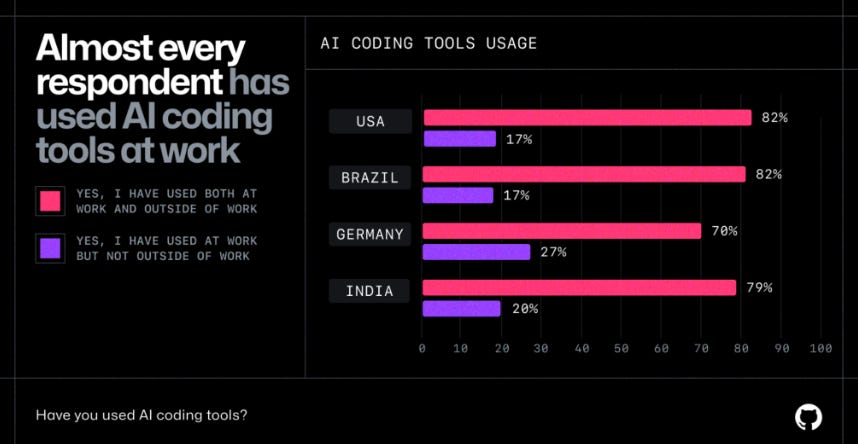
Although fully autonomous AI programming remains out of reach, developments by 2026 already reveal a plausible future for software engineering: human–AI collaborative development as the norm, combining human creativity with machine-scale computation to build software systems of unprecedented scale and complexity. This shift has the potential to drive a qualitative leap across the entire digital economy.

2025年4月13日

From AI companions to generative coding, the ten breakthrough technologies of 2026 collectively outline the emerging technological landscape. Artificial intelligence is rapidly permeating daily life and industry; energy technologies are seeking sustainable paths forward; biotechnology is pushing the limits of life itself; and the space economy is gathering momentum.
Notably, many breakthroughs are not singular inventions but the result of simultaneous maturity across multiple domains—materials, algorithms, engineering, and business models reaching critical thresholds at the same time. This marks a transition from isolated, lab-driven breakthroughs toward systemic innovation, where multiple supply-chain advances converge to produce rapid, large-scale transformation.
With opportunity comes risk. Ethical, regulatory, and social challenges accompany each advance. In this era of accelerating change, sustained attention to trends and sober assessment of trade-offs are essential. The hope is that this combined trend overview + professional analysis of the 2026 Breakthrough Technologies provides readers with actionable insight.
As MIT Technology Review notes, these advances “will drive progress—or provoke the greatest disruption, for better or worse” . Our collective responsibility is to maximize their positive impact while managing their risks, ensuring that breakthrough technologies ultimately serve human well-being as we step into the next technological era.

2025年12月31日


PreviousNext
TopLatestDiscussions








See all