Material Revolution: How Industry Partners Power Nvidia's Next-Generation AI Performance Breakthrough
Material Revolution: How Industry Partners Power Nvidia's Next-Generation AI Performance Breakthrough
- Source: SemiVision
- Author: SEMIVISION
- Published: 2025-10-27T23:31:15+08:00
- URL: https://tspasemiconductor.substack.com/p/material-revolution-how-industry Material Revolution: How Industry Partners Power Nvidia's Next-Generation AI Performance Breakthrough


Material Revolution: How Industry Partners Power Nvidia's Next-Generation AI Performance Breakthrough
Original Article By SemiVision Research (2025 TPCA & Impact Tech Forum)

Oct 27, 2025
∙ Paid
Material Revolution: How Industry Partners Power Nvidia’s Next-Generation AI Performance Breakthrough
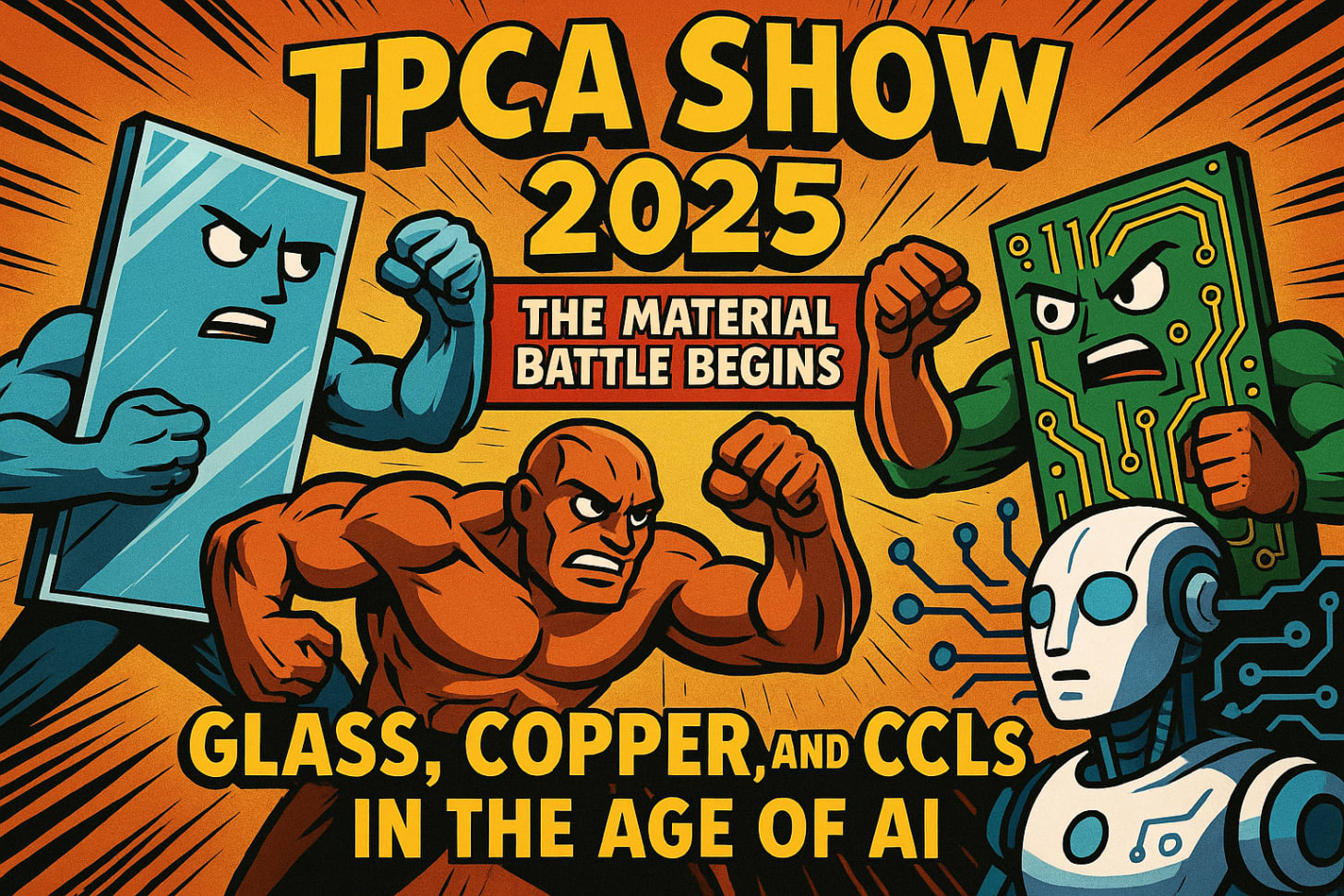
As theTPCA Show 2025opened in Taipei last week, the focus has shifted from manufacturing equipment to thematerialsthat underpin next-generation electronics. With the explosive growth of AI computing, PCB materials—particularlycopper foils, glass fabrics, and copper-clad laminates (CCLs)—have become the most hotly contested resources in the semiconductor and advanced packaging supply chain.
Industry experts are calling this the “battle before the battlefield,” as upstream material bottlenecks are beginning to determine who wins in the downstream race for AI hardware.
AI Servers Reshape Material Demands
AI servers are not just driving new chip architectures — they are redefining the physical limits of the materials used to build them. The increasing compute density and power draw of AI accelerators are forcing PCB substrates to handle far greaterthermal stress, current density, and high-frequency signalingthan ever before.
Traditional FR-4 laminates are no longer sufficient. As signaling moves beyond224G and toward 400 Gbps per lane, electrical losses, impedance drift, and dielectric breakdown become critical constraints.
To overcome these, manufacturers are now turning tolow-Dk, low-Df resin systems,HVLP (Hyper Very Low Profile)copper foils, and fine-weaveT-glassreinforcements designed for high-frequency stability.
A senior materials engineer at the show noted that“AI servers are now closer to high-speed communication systems than traditional computers — materials must behave like RF components.”
Upstream Bottlenecks: Glass Fabric and Copper Foil
The biggest choke points are forming at the very top of the supply chain.
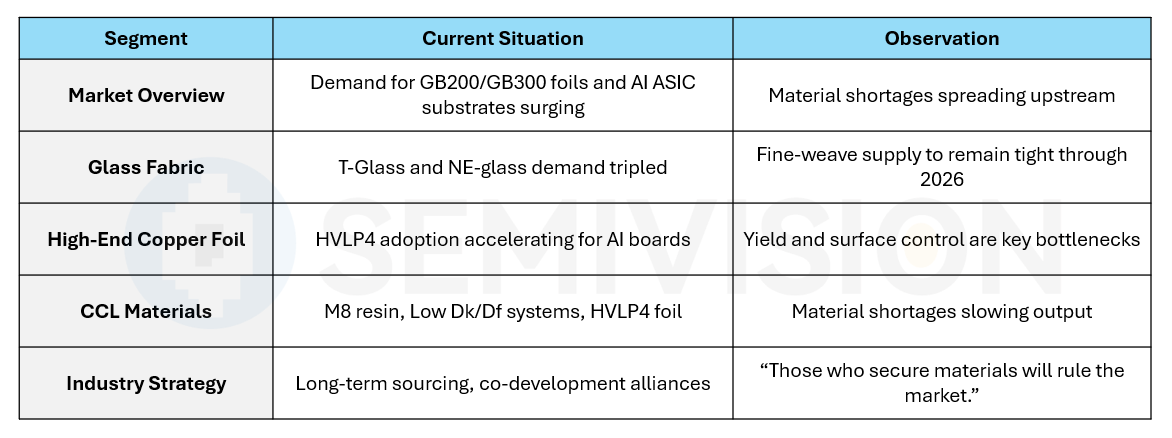
Fine-weave glass fabrics— such as AGC’sT-Glassand Nittobo’sNE-glass— are in critical shortage. Their smoother, tighter weave minimizes fiber-induced signal distortion, which becomes essential for 112G, 224G, and future 400G links. Suppliers report that capacity is already fully booked well into 2026, and expanding production takes both time and precision equipment.
Copper foilis another pressure point. AI server boards increasingly rely onGB200/GB300 ultra-thin foilswith mirror-level surface uniformity.
At the same time,HVLP4and upcomingHVLP5foils are required to reduce skin effect and maintain low insertion loss. Producing such foils demands advanced rolling and surface treatment technologies, and yield rates remain a major challenge.
The result: prices of high-end copper foil and T-glass have risen sharply, and CCL manufacturers are struggling to secure stable long-term supply.
CCL Manufacturers Enter the Next Phase
ForCCL producers, the challenge is twofold — improving resin performance while managing upstream constraints.
Mainstream high-end laminates now useM8 resin systemsor equivalent formulations, offeringlow dielectric constant (Dk)andlow dissipation factor (Df)properties, essential for 100–400 GHz signal propagation. However, without sufficient glass fabric or copper foil, even these advanced materials cannot scale to volume production.
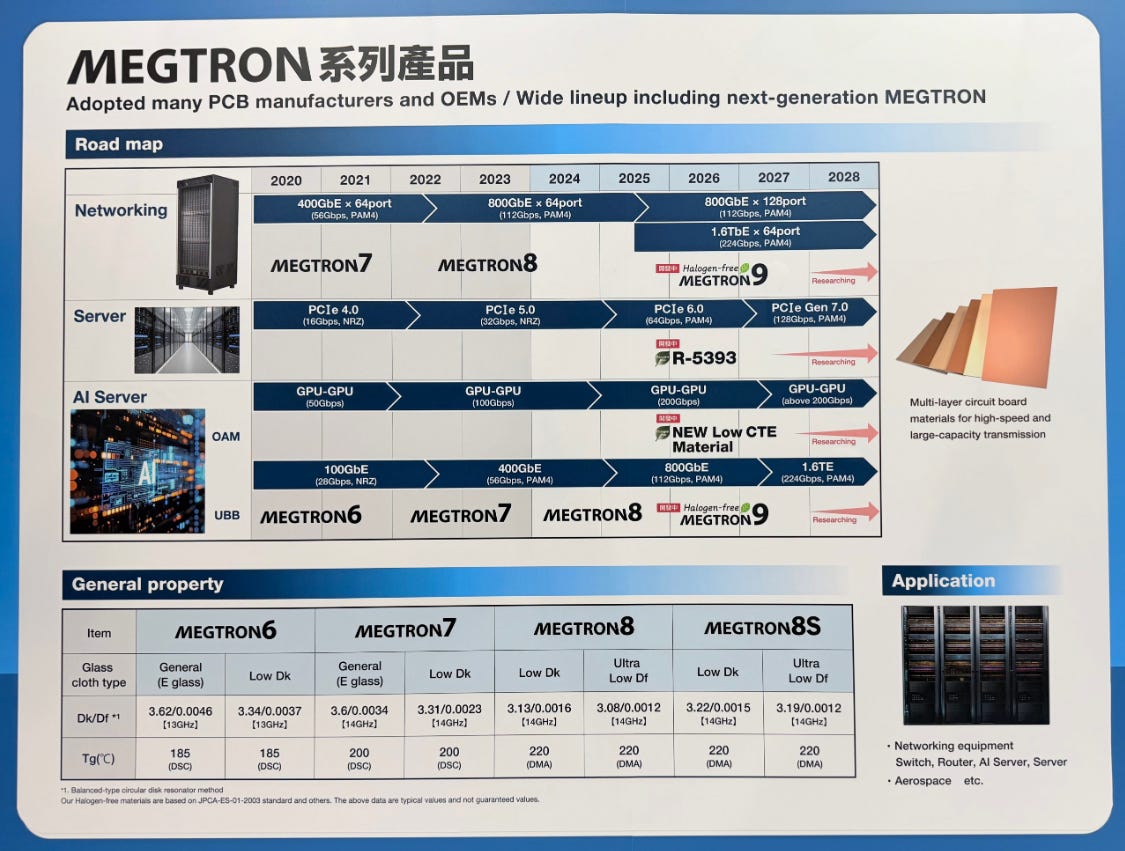
Many CCL makers are now entering long-term strategic partnerships with upstream glass and foil suppliers to secure supply and stabilize costs. Some are also experimenting with hybrid material stacks to maintain performance under thermal cycling conditions.
The New Industrial Equation: “Materials Define Competitiveness”
As the AI boom reshapes global supply chains, materials have become the new geopolitical and economic leverage point. Taiwan’s PCB and CCL ecosystem, long known for its cost efficiency, is now pivoting towardhigh-performance, specialtymaterials to remain competitive.
Industry observers note that 2025 marks a turning point — the “era of design-driven differentiation” is giving way to the “era of material-driven leadership.”
Companies that control or co-develop critical materials like high-frequency glass fabric, HVLP copper foil, and low-Dk resins will effectively hold the keys to the AI infrastructure market.
The TPCA Show 2025 underscores a pivotal truth for the AI era: the future of computing no longer depends solely on chip design or transistor scaling, but on the materials that make such advancements possible. As AI systems drive data rates beyond 400 Gbps and thermal loads to unprecedented levels, glass fabrics, copper foils, and resin chemistries have become strategic assets—defining both technical feasibility and economic competitiveness.
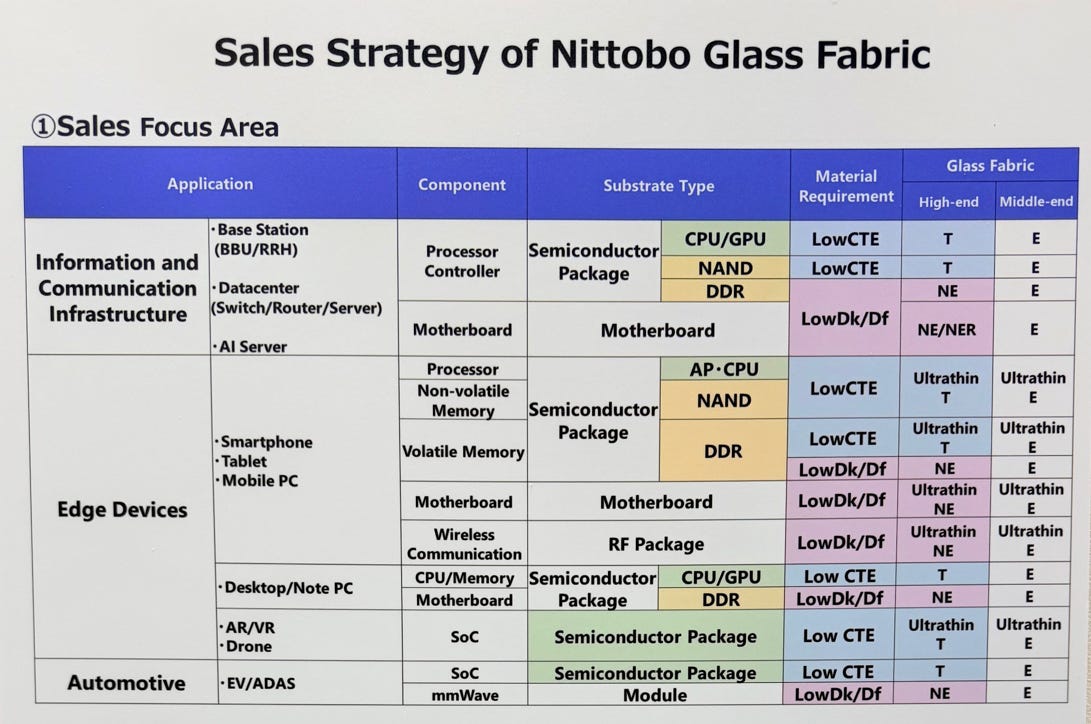
From Japan’s T-glass producers to Taiwan’s CCL makers, every layer of the substrate stack now determines the boundaries of performance and power efficiency. The competition is no longer just about who can build faster chips, but who can secure the purest materials, the lowest-loss laminates, and the most stable supply chain.
In short, the semiconductor world is entering a new phase of vertical integration—one that starts not at the fab, but in the materials lab. And in this new paradigm, one phrase captures the reality of 2025 perfectly:
Those who own materials will own the AI future

2025年7月30日
History and Establishment
Taiwan's printed circuit board (PCB) industry has a history spanning over 40 years. By 2010, Taiwan's PCB production value and volume had already reached the number one position globally, reflecting the significant contributions of Taiwanese manufacturers in production technology and product quality to the global electronics market.
To consolidate the strength of Taiwan’s PCB industry, industry leaders and a dedicated preparatory team worked tirelessly to establish a unified organization. This effort led to the official founding of the Taiwan Printed Circuit Association (TPCA) in March 1998—the first industry association in Taiwan initiated by the PCB sector itself, uniting hundreds of companies nationwide.
The establishment of TPCA symbolizes the unity and collaboration within Taiwan’s PCB industry, aiming to integrate diverse resources, strengthen collective capabilities, and elevate the industry's global competitiveness. TPCA continues to drive the Taiwanese PCB industry toward a new era of growth and innovation.
Association Vision
The founding of TPCA represents more than just industry solidarity—it signifies that Taiwan’s PCB manufacturers are no longer competing on the global stage as isolated players. Through TPCA, the industry can pool and optimize resources, fostering a collaborative environment that enhances overall competitiveness.
By uniting the sector, TPCA aims to lead Taiwan’s PCB industry into a new chapter, where joint efforts and shared strengths position Taiwan as a key player in the ever-evolving global electronics ecosystem.
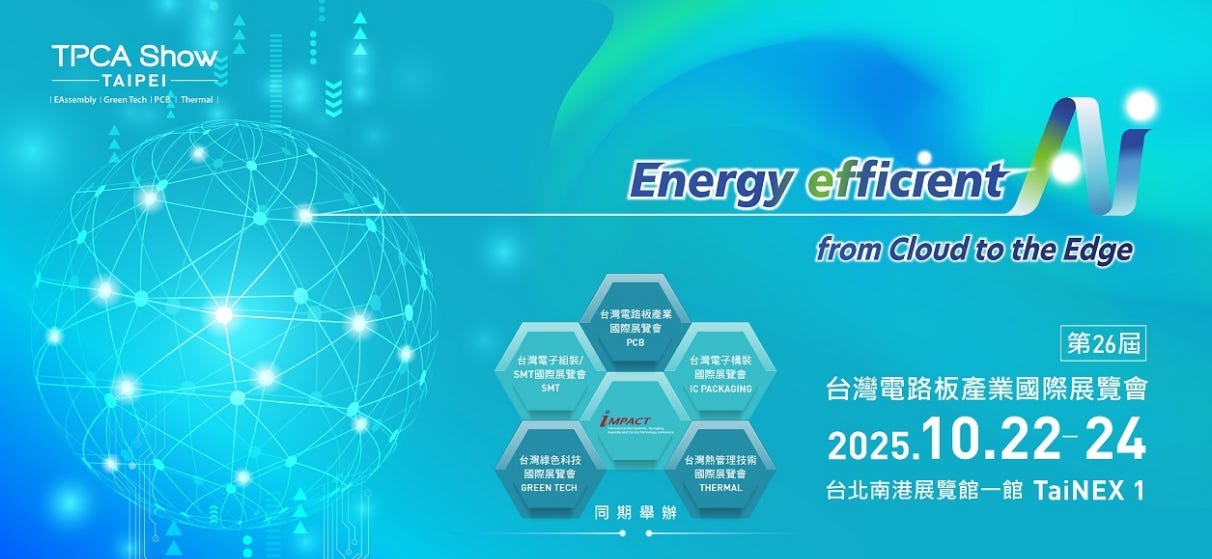
Date:October 22 (Wed.) - October 24 (Fri.), 2025
Time:10:00-17:00 (Closing one hour early on the last day)
Place:TaiNEX, TAIPEI
In 2025, at the crossroads of accelerating AI demands and packaging-driven innovations, five industry leaders—TSMC, AWS, Intel, MIRISE Technologies and Absolics—take center stage at IMPACT 2025 to frame the next chapter of semiconductor systems and integration.
TSMC, as the world’s leading foundry, is redefining the logic and advanced-packaging landscape to support surging AI-HPC workloads.
AWS, through its Annapurna Labs technology team, is probing the packaging and system challenges that AI-data-centers pose.
Intel continues to push scalable data-center architectures and heterogeneous integration strategies in a world hungry for performance and efficiency.
MIRISE Technologies is spotlighting the need for chiplet-based SoC technologies in challenging domains such as automotive and beyond.
Absolics, meanwhile, highlights “Reimagining Advanced Packaging with Glass: Opportunities and Challenges,” underlining how new material systems are becoming central.
As we embark on this edition of IMPACT, SemiVision will dissect—through the lens of these keynote players—the transformations reshaping semiconductor packaging, subsystem architectures, and the ecosystem of integration. Our aim: to map how the convergence of these forces will impact Taiwan’s role, global supply chains, and the bilateral opportunities between Taiwan and Europe.

Since its inception in 2006, the IMPACT Conference has been at the forefront of technological evolution, fostering innovation in the packaging, PCB, and semiconductor industries. Over the past two decades, IMPACT has not only witnessed but actively contributed to rapid advancements in 5G, AI, high-performance computing (HPC), edge computing, and sustainability. Each year, the conference has adapted to the latest trends, driving forward the conversation on emerging technologies and their industrial applications.
Now in its 20th year, IMPACT 2025 embraces the theme “Energy-Efficient AI: From Cloud to Edge,” reflecting the industry’s growing emphasis on high-performance, low-power solutions. As AI applications continue to expand—from data centers to edge devices—the need for advanced PCB, IC substrates, heterogeneous integration, and packaging technologies has become increasingly critical.
This milestone year marks not just a celebration of the past 20 years, but a bold step into the future, where IMPACT continues to lead, inspire, and drive innovation. Join us at IMPACT 2025 as we shape the next era of AI, semiconductor packaging, and PCB technology—powering a smarter, more sustainable world.
【Date】Oct. 21st(Tue.)-24th(Fri), 2025
【Venue】Taipei Nangang Exhibition Center
【Theme】Energy-efficient AI: From Cloud to Edge
【Organizer】IEEE-EPS、iMAPS Taiwan、ITRI、TPCA
【Feature】Plenary speech、Industrial session、Special session、Invited talks、PDC
【Exhibition】TPCA Show, TAITRONICS
Next week marks the long-awaited TPCA Show 2025, one of Taiwan’s most important gatherings for the global PCB and semiconductor packaging ecosystem. As the industry enters the AI era, the boundaries between PCB, substrate, and advanced packaging continue to blur — and this year’s theme,“Connecting the Future: Evolution of AI-Driven PCB Technologies,”could not be more timely.
Earlier in July, SemiVision participated in the TPCA Advanced Trend Forum, where experts from leading companies, research institutes, and material suppliers shared insights on how AI is reshaping PCB technologies — from design automation and simulation to thermal management, signal integrity, and next-generation materials. The discussions emphasized how AI is not only optimizing PCB manufacturing processes, but also enabling entirely new architectures for high-speed computing, chiplet integration, and power delivery networks.
In this article, we have consolidated the key highlights and takeaways from the forum, including trends in AI-driven design tools, high-frequency substrates, advanced interconnects, and the emerging synergy between PCB and semiconductor packaging. As we head into the TPCA Show next week, these insights provide a valuable lens to understand how Taiwan’s PCB industry is evolving — not just as a supplier base, but as a critical enabler of the global AI hardware revolution.
Stay tuned as we explore how AI-driven PCB innovation is becoming the foundation for the next generation of intelligent, high-performance electronic systems.

July 16 (Wednesday) – Event Agenda
Morning Session (T1): AI Market Trends and Applications
AI is Driving Industry Transformation!
ITRI Industrial Economics and Knowledge Center
2025 Taiwan PCB Industry Outlook
ITRI Industrial Economics and Knowledge Center
The Transformative Era Before Full-Blown Humanoid Robotics Emerges
Micro-Star International (MSI)
AI Trends in AR Smart Glasses Development and Integrated Applications
Jorjin Technologies
Afternoon Session (T2): Extreme Thermal Solutions for High-Performance Computing
Development of Advanced Thermal Materials for Electronic Circuit Boards
Dupont
Breakthroughs and Applications of Next-Generation Thermal Dissipation for High-Performance Computing
Intel
Immersion Cooling Technology: From Single-Phase to Dual-Phase
AEWIN
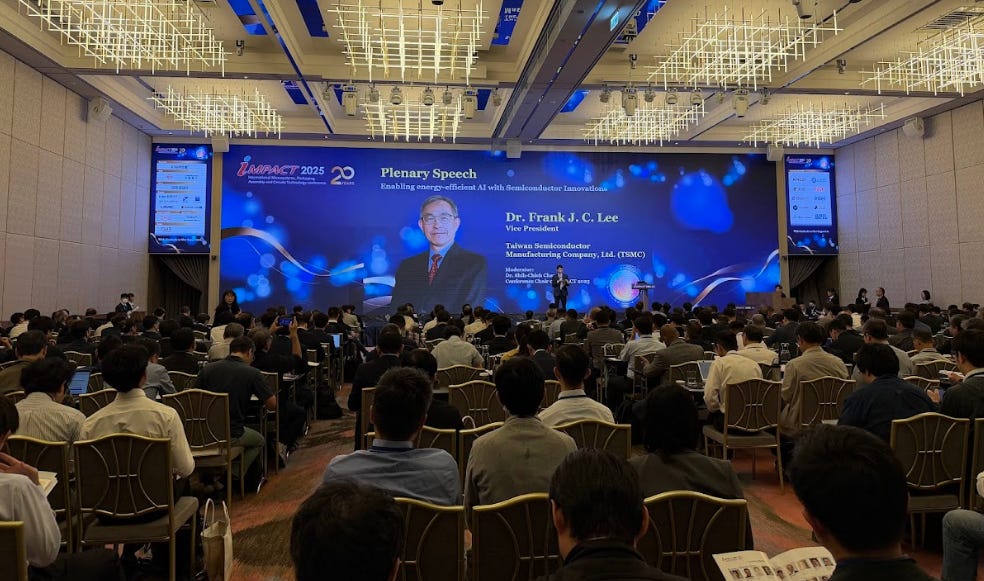
SemiVision will first conduct a focused summary and analysis of the technical forum preceding the TPCA exhibition, and subsequently continue to track and delve deeply into the developments and industry trends of 2025 TPCA & Impact in dedicated articles.
For Paid Members, SemiVision will discuss topics on
AI is Driving Industry Transformation!
ITRI Industrial Economics and Knowledge Center
The Transformative Era Before Full-Blown Humanoid Robotics Emerges
Micro-Star International (MSI)
AI Trends in AR Smart Glasses Development and Integrated Applications
Jorjin Technologies
Development of Advanced Thermal Materials for Electronic Circuit Boards
Dupont
Breakthroughs and Applications of Next-Generation Thermal Dissipation for High-Performance Computing
Intel
Immersion Cooling Technology: From Single-Phase to Dual-Phase
AEWIN
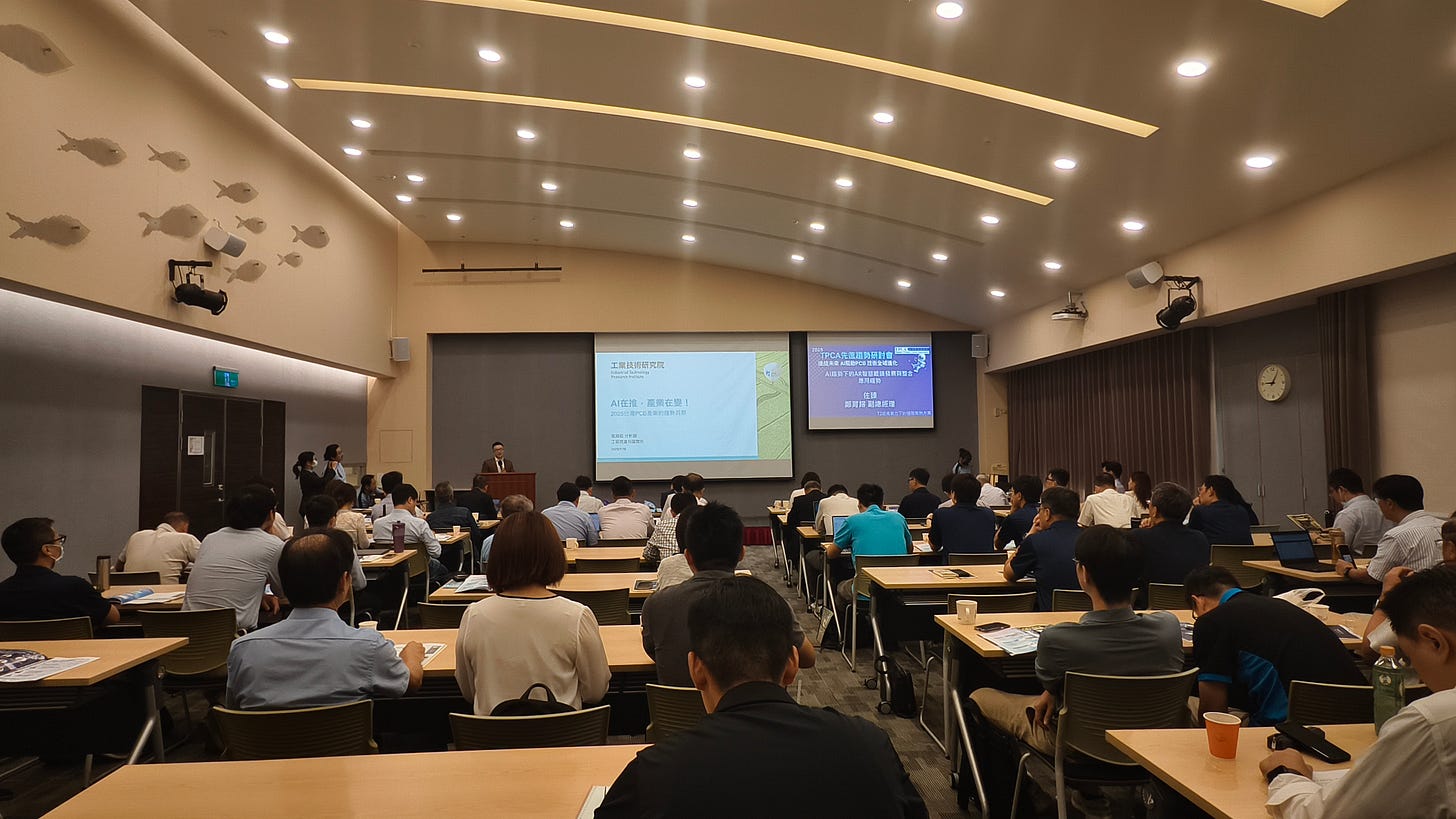
ITRI :AI is Driving Industry Transformation!
This report provides an in-depth analysis of Taiwan’s PC and PCB industries in 2024, examining the key drivers of growth, competitive landscape, and challenges shaped by AI acceleration, tariff policies, and global market shifts.
Taiwan PC Industry: 2024 Performance and 2025 Outlook
Strong Recovery from a Low Base
The global PC industry faced a weak 2023, creating a low base that set the stage for a robust recovery in 2024. Taiwan’s PC industry has rebounded sharply, with first-half growth reaching approximately 43.2%. This was driven not only by the booming AI server segment but also by tariff-induced pull-in effects, which created unexpected demand for mobile phones and laptops during an off-peak season.
Key Growth Drivers
AI Servers:The most significant growth engine for Taiwan’s PC and PCB sectors.
Satellite Communication:Emerging as another strategic growth area alongside AI.
Automotive Electronics:Sustained growth momentum, fueled by the ongoing shift to electric vehicles.
High-Density Interconnect (HDI) Products:Continued strong demand from 2023 into 2024.
While the first half of 2024 was exceptionally strong, there are concerns about demand softening in the second half due to over-pull-ins. Nevertheless, the Taiwan PC industry is projected to grow approximately 9-9.1% for the full year, with total output potentially reaching NT$891-900 billion.
Looking ahead to 2025, growth is expected to continue, with production capacity constraints likely to be a more pressing issue than tariffs or demand risks.
Global PCB Industry Trends and Competitive Landscape
Shifts in Market Leadership
The global PCB industry is valued at approximatelyUS$80 billion, but Taiwan's dominance has eroded asChina overtook Taiwan in market share in 2023. This shift is driven by:
China's expansive domestic market enabling mid-to-high-end brand development across smartphones, automobiles, and servers.
Aggressivedomestic substitution policiespromoting self-sufficiency.
Strengthened hardware supply chains and the explosive growth of China’s EV sector.
Top Global PCB Players

Key players includeZhen Ding Technology, Unimicron, AT&S, Meiko, Shennan Circuits, Compeq, and TTM Technologies. AT&S, with a strong foothold in automotive electronics, notably climbed the rankings in 2023 and 2024, benefiting from the AI-driven demand surge.
Product Segment Highlights
High-Density Interconnect (HDI)

Market Size:Approx.US$13.1-13.2 billionin 2023, accounting for 16% of the global PCB market.
Growth Drivers:From 2022 onwards, AI servers, automotive electronics, and satellite communications have driven HDI growth, compensating for consumer electronics weakness.
Applications:Predominantly mobile phone boards, with significant demand from automotive ADAS, DCUs, satellite communication backplanes, and LED applications.
2025 Outlook:AI and satellite communication will remain growth engines, while mobile phones and laptops are projected to grow conservatively.
Competitive Landscape:Taiwan and China dominate, with Japan and South Korea shifting focus to advanced packaging substrates.
AI Servers
Demand Profile:Rapidly growing, with AI models designed to scale efficiently.
Technical Requirements:Boards are large and multilayered (20+ layers for NVIDIA GPUs), requiring high-performance materials (M6, progressing to M7/M8 for advanced chips like the B200).
Supply Chain Players:
AI chip substrates: Japanese firms.
GPU/NPU substrates: Samsung, LG Innotek, and Taiwanese players.
Mainboards: Taiwan’sWus Printed Circuit, Tripod Technology, Compeq, with China’sShennan Circuitsexpanding aggressively.
Automotive Electronics
Market Segmentation:Divided between Tesla-led (US/Europe) and China-led sectors, with Taiwan aligned more with Tesla.
Market Risks:Overstocking and price wars in China; US tariffs and subsidy rollbacks affecting EV demand.
Impact on Taiwan:Limited direct exposure to China’s domestic EV risks, but sensitive to US policy changes affecting Tesla.
Mobile Phones and PCs
Market Size:1.2 billion mobile phones and 2.7 billion PCs (desktops/laptops) shipped annually.
AI Integration:AI PCs and smartphones are growing rapidly but face hardware constraints, particularly inAI chip performance and battery capacity.
Other Segments
Flexible PCBs (FPCBs):Underperformed but may benefit if AI devices gain traction.
Rigid PCBs (RPCBs):Taiwan, South Korea, and Japan remain leaders; China leads in traditional rigid boards.
Package Substrates:Strong rebound in 2023 with further recovery expected in 2024. Taiwan retains about 40% global market share.
Challenges Facing Taiwan’s PCB Industry
Tariff Uncertainty
The US tariff policy has induced short-term demand surges but creates long-term instability, potentially leading to demand slumps in the latter half of 2024.
Currency Volatility
The New Taiwan Dollar's appreciation against the USD and other Asian currencies (except the Yen) has eroded profitability, with uncertain prospects for stabilization.
Consumer Demand Weakness
A slowing Chinese consumer market adds pressure on global demand, particularly for smartphones and PCs.
Inventory and Supply Chain Risks
Automotive sectors, especially in China, faceexcess inventory risksamid aggressive competition and fluctuating policies.

2025年5月12日
Resilience Amidst Challenges
Despite facing macroeconomic headwinds, tariff uncertainty, and exchange rate pressures, Taiwan’s PCB industry remains resilient. If tariff policies stabilize and consumer demand holds, sectors like HDI and AI-related applications will sustain strong growth. The overall industry is projected to achieve 13-14% growth in product value, driven by the momentum in AI, automotive, and satellite communications.
Taiwan’s strategic pivot towards AI-centric technologies and geographical diversification positions it well to navigate the evolving global electronics landscape through 2025 and beyond.

MSI :The Transformative Era Before Full-Blown Humanoid Robotics Emerges

This company is redefining industrial automation through the development of Autonomous Mobile Robots (AMRs) combined with integrated smart factory solutions. Central to their success is a strategy of end-to-end in-house software development, enabling them to deliver highly efficient, cost-effective, and safe solutions across diverse industrial environments.
Core Technologies: Precision Navigation and Efficient Mapping
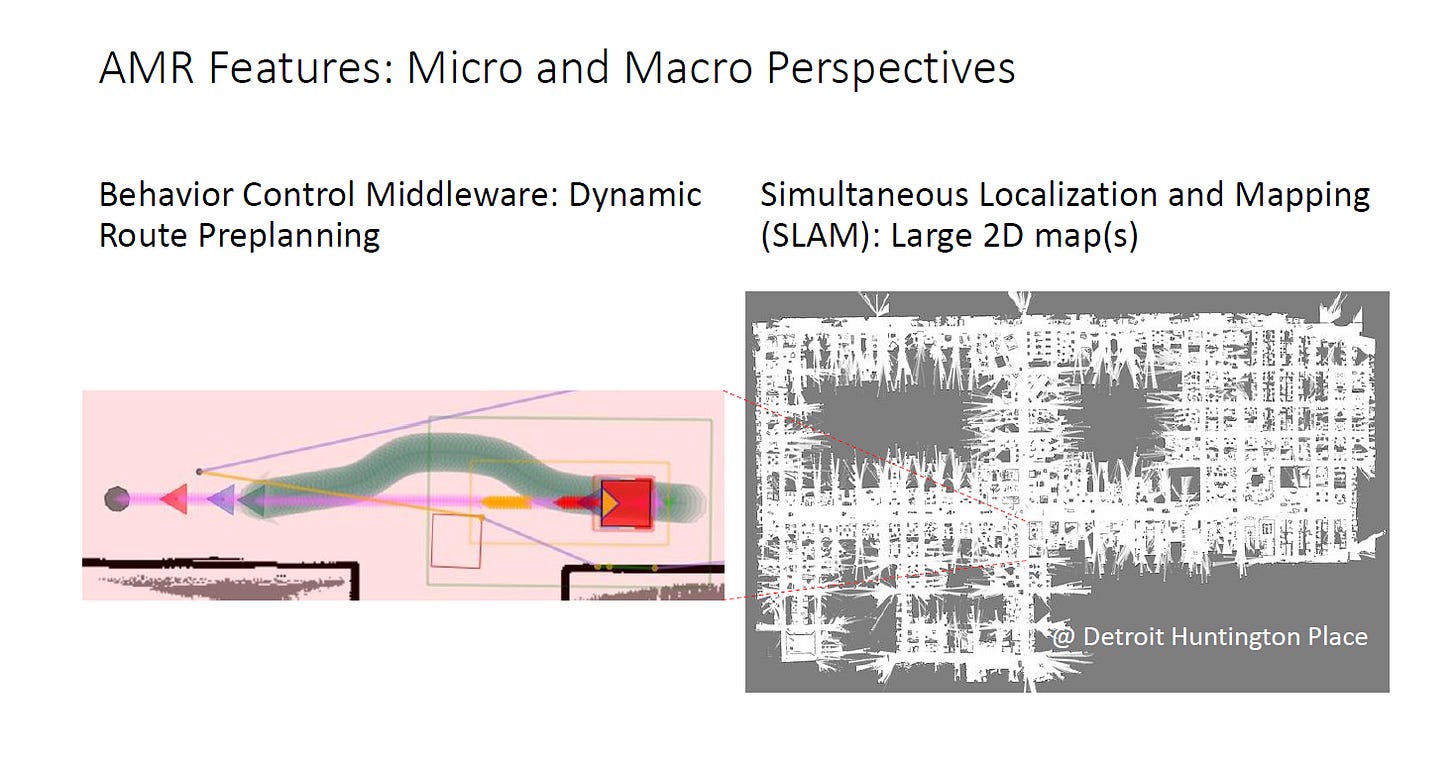
At the heart of their AMR platform is 2D SLAM (Simultaneous Localization and Mapping) technology. This choice ensures fast and efficient environmental mapping — a 2D LiDAR scanner captures over 2,600 data points per second, enabling instant mapping of surroundings. In contrast, 3D SLAM, even when powered by advanced GPUs like NVIDIA ATX, requires up to five seconds to process similar data, increasing collision risks due to delayed perception.
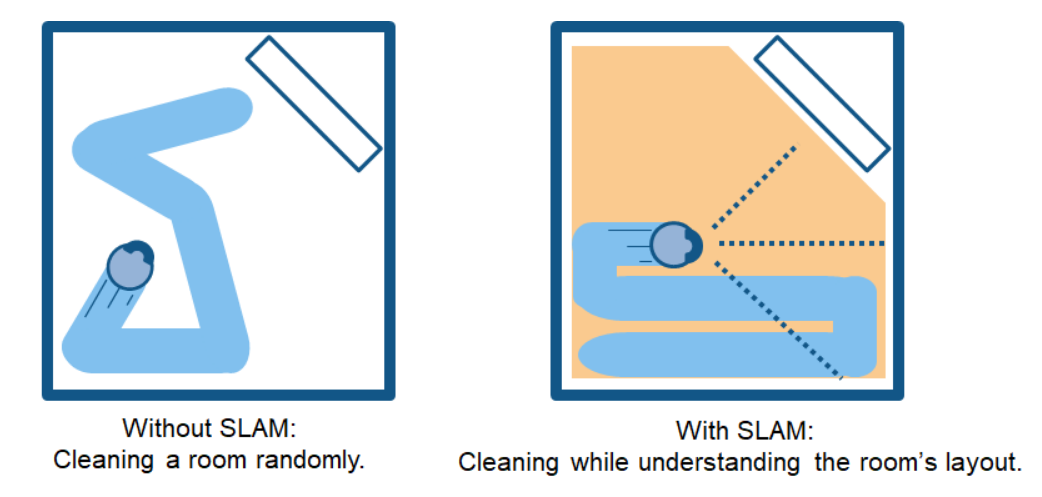
SLAM has been the subject of technical research for many years. But with vast improvements in computer processing speed and the availability of low-cost sensors such as cameras and laser range finders, SLAM algorithms are now used for practical applications in a growing number of fields.
Their AMRs integrate acomprehensive sensor suite:
Dual LiDAR sensorsfor front and rear scanning.
Three camerasto detect higher-level obstacles like tabletops and human torsos.
Unlike traditional Automated Guided Vehicles (AGVs) that depend on QR codes, magnetic strips, or fixed infrastructure, these AMRs navigate independently — without external markers or Wi-Fi — accelerating deployment without the need for factory modifications.
Software Strength: Complete Ecosystem Integration

A major differentiator is the company's fully proprietary software stack, encompassing core systems, Fleet Management System (FMS), and user interfaces. Their open architecture with APIs and SDKs enables seamless integration with existing factory systems such as Warehouse Management Systems (WMS) and order management platforms.
Key features of their FMS include:
Real-time visualization of robot locations and trajectories.
Definition of restricted areas and preferred paths.
Management of up to 128 robots on a single floor network.
Instant alerts via SMS or corporate communication systems.
Comprehensive monitoring and troubleshooting tools.

To support system integrators, the company also providessimulation toolsthat help model operations, optimize fleet size, and enhance production planning — achievable with a single physical robot and multiple virtual instances.
Modular AMR Platform: Tailored for Diverse Applications
Their AMR solutions are built on a flexible base platform, allowing customization with a variety of payloads and modules, including:
Disinfection robots
Automated delivery systems
AMRs with robotic arms
Smart lockers and cabinetswith NFC-enabled access tracking, developed for clients like Amazon.
The standard AMR can carry up to 300 kg, while heavy-duty models support up to 600 kg. The compact design, with a width of 60 cm, allows for smooth navigation through standard 80 cm doorways.
Safety, Speed, and Power Efficiency
Safety is paramount given the robots’ weight (60-80 kg with payload). Features include:
Operating speed of3.6 km/h, similar to human walking pace, balancing efficiency with safety.
1 cm positioning accuracy, further refined to0.1 cmwhen paired with robotic arms and marker-based vision systems.
Power systems are optimized for uptime:
8 hours of operation per full charge
Fast-charging from 20% to 80%, adding ~5% capacity per minute.
Dynamic charging management via the FMS minimizes downtime by leveraging idle periods for charging, reducing reliance on fixed charging stations.
Real-World Applications and Proven Benefits
The AMRs are already delivering significant results across multiple industries:
SMT Factories:Automating the transport of heavy PCBs (~40 kg each), reducing labor strain and human error via QR code validation.
Automated Rack Retrieval:Efficiently locating and adjusting for rack misalignments using LiDAR with a20-meter range.
Robotic Arm Integration:In partnership with DOBOT, equipping AMRs with arms capable of15 kg payloads, integrated with AI and vision systems.
Logistics in Large Facilities:In spaces over1.4 million square feet, AMRs can reduce delivery tasks from30 to 10 minutes, cutting idle time and boosting productivity.
CNC Machine Automation:Handling part retrieval and raw material delivery to streamline CNC operations.
Clients report up to 30% efficiency improvements and 40% reductions in operating costs, with robots capable of 24/7 continuous operation without fatigue.
Demonstrations and Market Engagement
MSI, a leading advanced robotics technology company, today announced a milestone industry-academia collaboration with National Chung Hsing University (NCHU). MSI’s cutting-edge Autonomous Mobile Robots (AMRs) will be deployed at NCHU’s newly established Talent and Technology Development Base for Smart Manufacturing. This strategic partnership underscores MSI’s continuous advancement in AMR capabilities and positions the company to further tap into the vast opportunities in smart factories.
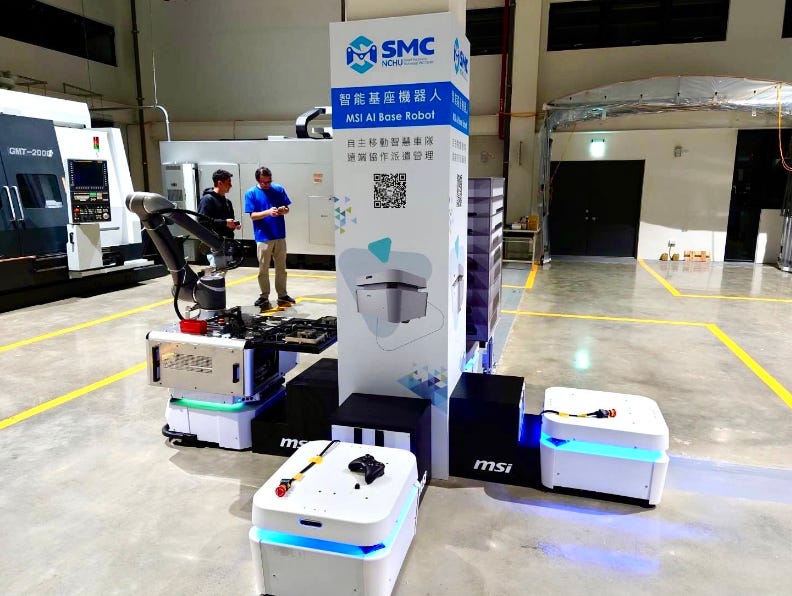
A total of four MSI robots will be stationed at NCHU’s Smart Automation Factory, including the MSI AI Cobot (Smart Collaborative Robot), the MSI AI Logistics Robot (Smart Logistics Robot), and two MSI AI Base Robots (Smart Base Robots). These robots will work collaboratively to enhance operational efficiency through intelligent multi-robot coordination. All four AMRs are 100% designed and manufactured in Taiwan, capable of integrating key production line information—such as production environments, semi-finished goods, and manufacturing processes—into the AMR functional modules. This enables support for various unmanned intelligent manufacturing services.
Jorjin :AI Trends in AR Smart Glasses Development and Integrated Applications
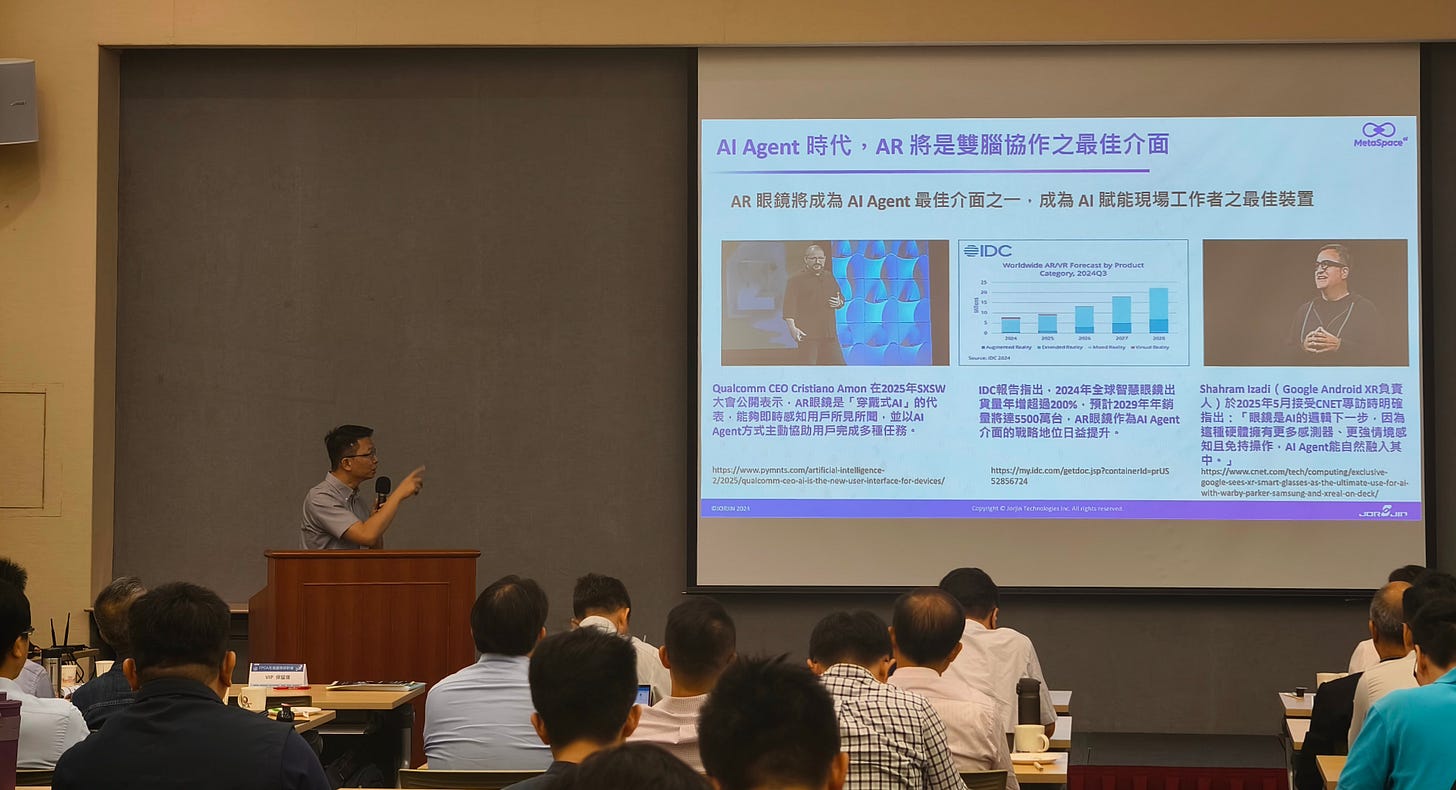
The convergence of Artificial Intelligence (AI) and Augmented Reality (AR) glasses is redefining industries, particularly manufacturing, by enhancing human capabilities and operational efficiencies. This fusion—part of the broader evolution of spatial computing—blurs the boundaries between physical and digital environments, enabling smarter, more immersive, and personalized experiences.
Pioneering AI-Integrated AR Glasses
Founded in 1997, a leading company in this space has transitioned from modular hardware to specializing in AR glasses since 2013, aligning with the rise of Google Glass. With over a decade of experience, the company has moved beyond hardware to developing comprehensive AI and software solutions.
Jorjin Technologies offers a comprehensive range of AR smart glasses solutions designed for both specialized fields and general use cases. For specific applications, the company provides AR-integrated helmets tailored for industrial workers, police officers, fireman training, and medical-grade environments—each optimized for safety, durability, and operational efficiency in demanding conditions.
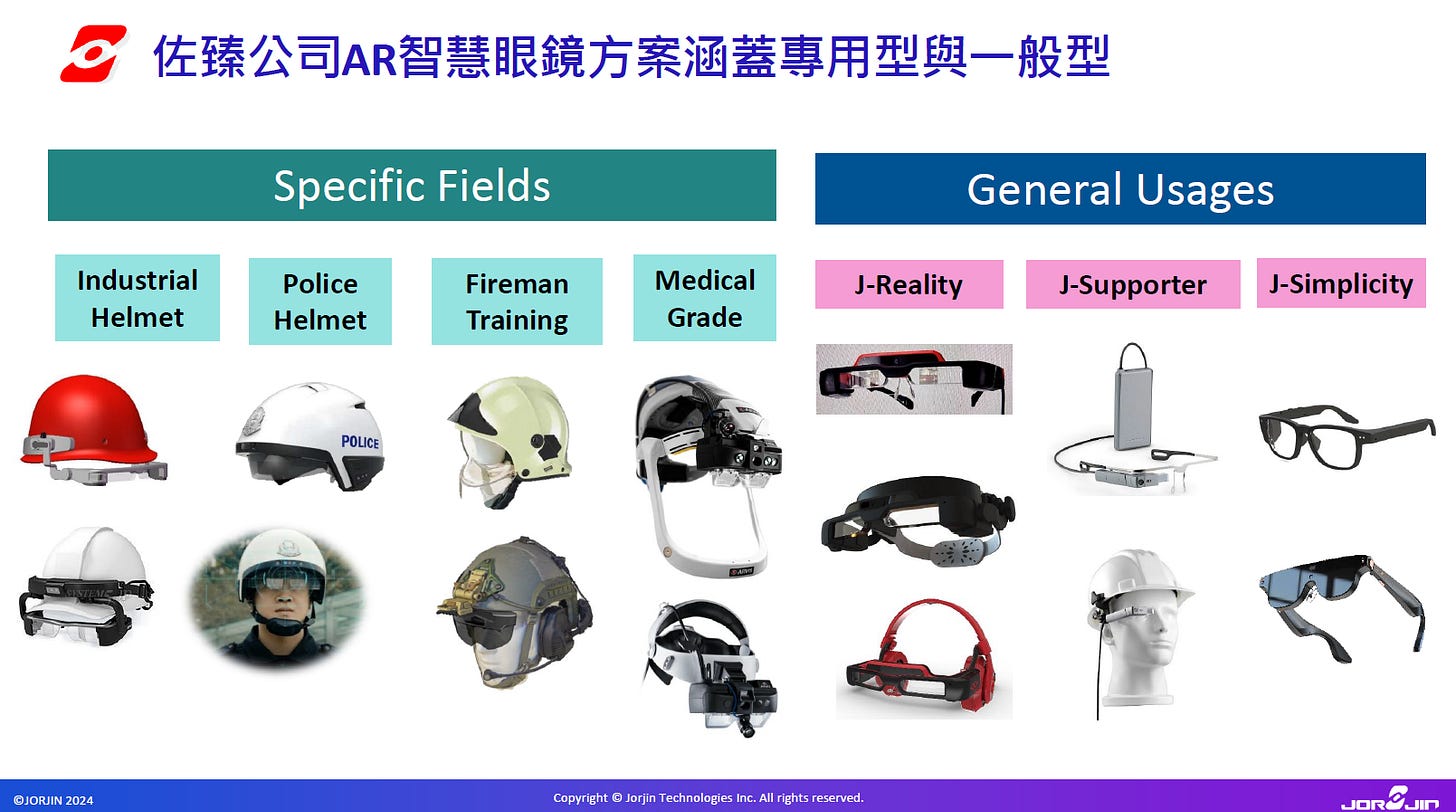
For broader applications, Jorjin offers three versatile product lines:
J-Reality:High-performance AR devices designed for immersive experiences.
J-Supporter:Lightweight, wearable solutions ideal for remote assistance and professional support.
J-Simplicity:Sleek, everyday smart glasses that blend AI capabilities with casual wearability.
This diverse product portfolio positions Jorjin to serve a wide range of industries, from manufacturing and public safety to healthcare and consumer markets.
Key milestones include:
Partnering with major tech brands such as Lenovo and Vuzix.
Developing FDA-approved surgical AR glasses, now in their third generation, for hip and knee joint navigation.
Securing a strategic investment fromFoxconn (15% stake)and joining theMIH Open Solution Alliance, underscoring its role in building integrated AR ecosystems.
Dual-Track Product Strategy: Lightweight and Industrial Solutions
The company’s AR product development follows two key trajectories:
Ultra-Lightweight Glasses:Single-eye, monochrome micro-LED glasses weighing just46 grams, designed for AI-driven functionalities in everyday eyewear form factors.
Vertical Domain-Specific Glasses:Customizable glasses for industrial and medical sectors, featuring modular sensor configurations (e.g., thermal imaging, ambient light sensors) to meet specialized requirements.
MetaSpace: Integrating AI, AR, and Immersive Experiences
Beyond devices, the company introducedMetaSpacein 2023—a no-code AR/AI platform for creating interactive content across sensing, recognition, and presentation stages. It incorporates:
Generative AI capabilitiesfor visual content creation.
Custom prompt-driven interactionsleveraging large language models.
Spatial experiencesvia projectors and millimeter-wave radar, creating responsive digital environments augmented by AR glasses forpersonalized content delivery.
Applications span:
Interactive art exhibitions.
Digital pop-up stores featuring immersive branding experiences.
XR exhibitions at public museums.
Future updates underMetaSpace AIwill add:
Remote assistance
Real-time multilingual translation(Chinese, English, Thai, Vietnamese, Japanese)
AI-driven Standard Operating Procedures (AISOP)
XR and Spatial Computing Device Trends
The speaker identified a multi-tier evolution of spatial computing devices:
MR Headsets (Mixed Reality):High-immersion devices from Apple and Meta, though limited by weight for long-term wear.
AR Glasses with MR Features:Equipped with multiple cameras for accurate virtual overlays on the real world.
Lightweight AI AR Glasses:Focused on delivering AI-powered information display without heavy MR features.
AI Glasses (e.g., Ray-Ban Meta):Primarily audio-visual AI interaction, with displays predicted to become a standard expectation.

2025年4月25日
Architecture of AI AR Glasses

Core components include:
Microphones, speakers, and cameras(often fisheye for gesture recognition).
IMU sensorsfor visual-inertial SLAM and head tracking.
Display engines:Micro-LED for compactness, LCoS with Birdbath optics for vibrant displays.
Optics:Waveguide for slim design, Birdbath for cost-efficiency.
Eye tracking:Transitioning from multi-camera setups toAI-based single camera solutionsfor affordability and integration.
Computational frameworks:
Tethered Models:USB-C connected to smartphones for lighter glasses.
Distributed Models:Wireless connection to a host device via Bluetooth/Wi-Fi.
All-in-One Devices:Fully integrated systems—heavier but self-sufficient, ideal for industrial or defense use.
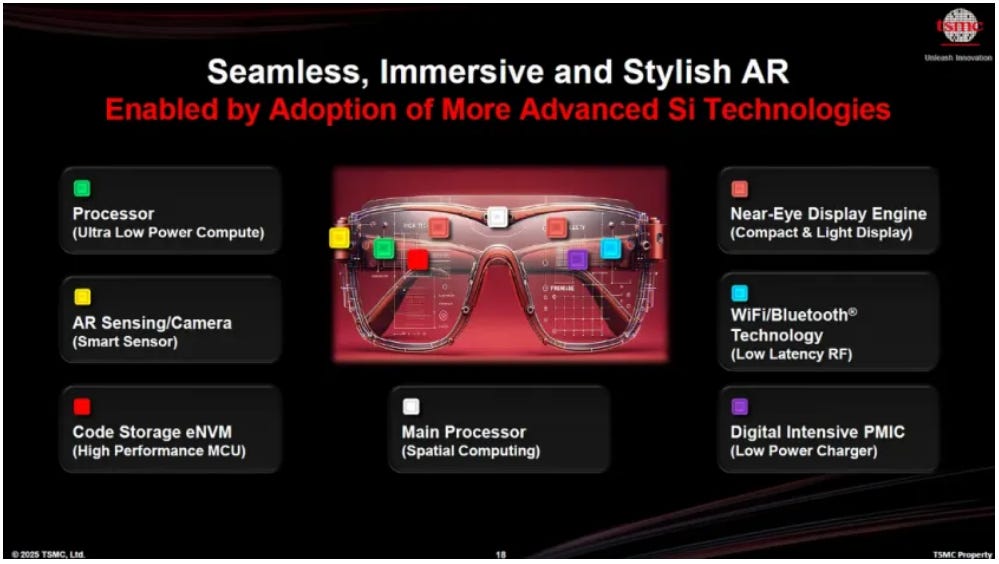
Current Landscape:
Extended Reality (XR)—encompassingAugmented Reality (AR),Virtual Reality (VR), andMixed Reality (MR)—remains in the early stages of commercialization. To reach mass-market adoption, XR devices must achieve over10× improvementsacrosspower consumption,cost, andform factor.
Future AR Glasses Architectural Blueprint:
Ultra-Low-Power (ULP) Compute:
AR glasses will integrateULP processorscapable of real-time rendering andon-device AI inference, enabling context-aware interactions and visual computing.
Smart Sensing Modules:
Includeshigh-resolution CMOS image sensors (CIS),environmental MEMS sensors, andgesture-tracking systemsto deliver immersive and responsive experiences.
Lightweight Near-Eye Display Engine:
Supportshigh-brightness,high-resolution, andultra-low-latencyvisual output critical for extended wear and real-world overlays.
Wireless Connectivity:
Utilizeslow-latency, high-bandwidthprotocols such as next-genWi-FiandBluetoothto ensure seamless communication with mobile devices and edge compute nodes.
Integrated Digital PMICs:
High-integrationdigital power management ICs (PMICs)will be essential forbattery life optimizationanddynamic power controlacross compute, sensing, and display subsystems.
The Rise of City-Scale AR and the Metaverse

The development ofVisual Positioning System (VPS)enables city-level AR/MR experiences, with centimeter-level accuracy in positioning and orientation. This supports:
Persistent virtual overlaysin shared spaces.
The foundation for areal-world metaverse, merging digital content seamlessly with the physical world.
Transforming Enterprise Applications
AI AR glasses deliver significant value in enterprise settings:
Hands-free operation:Workers remain fully engaged with tools while receiving instructions visually.
AI-enhanced SOPs:Moving from static instructions tocontext-aware, dynamic guidance.
First-person view recording:Supports remote troubleshooting, expert knowledge capture, and training.
Practical Use Cases
Wind turbine assembly:Faster, less laborious assembly with AR-guided instructions.
Boeing aircraft wiring:AR glasses replaced paper manuals, improving assembly speed.
NASA spacecraft assembly:Lockheed Martin’s use of HoloLens 2 for complex tasks.
Quality inspection:Overlaying digital models on physical products to verify precision.

2025年9月21日
AI-Powered Future for AR in Manufacturing
AI integration further enhances AR potential with:
AI-SOPs:Adaptive, data-driven guidance tailored to real-time scenarios.
Automated quality checks:AI algorithms assist in defect detection.
Work record automation:Voice and image capture automatically translated into structured reports.
Knowledge digitization:Preserving expert skills through AI-processed video and voice data.
Enhanced safety monitoring:Real-time alerts and navigation assistance.
This vision culminates in enablingsuperhuman workers—fewer employees operating at expert levels via AI-enhanced AR glasses. Multi-modal interfaces combining gestures, voice, visuals, and spatial inputs feed into AI systems capable of:
Equipment inspections
Carbon accounting
Maintenance workflows
Platforms like MetaSpace AI will facilitate this evolution, offering open APIs and protocols like NCP to integrate with enterprise systems. The ultimate goal: autonomous AI agents collaborating across workflows, redefining industrial productivity and intelligence.
Dupont :Development of Advanced Thermal Materials for Electronic Circuit Boards
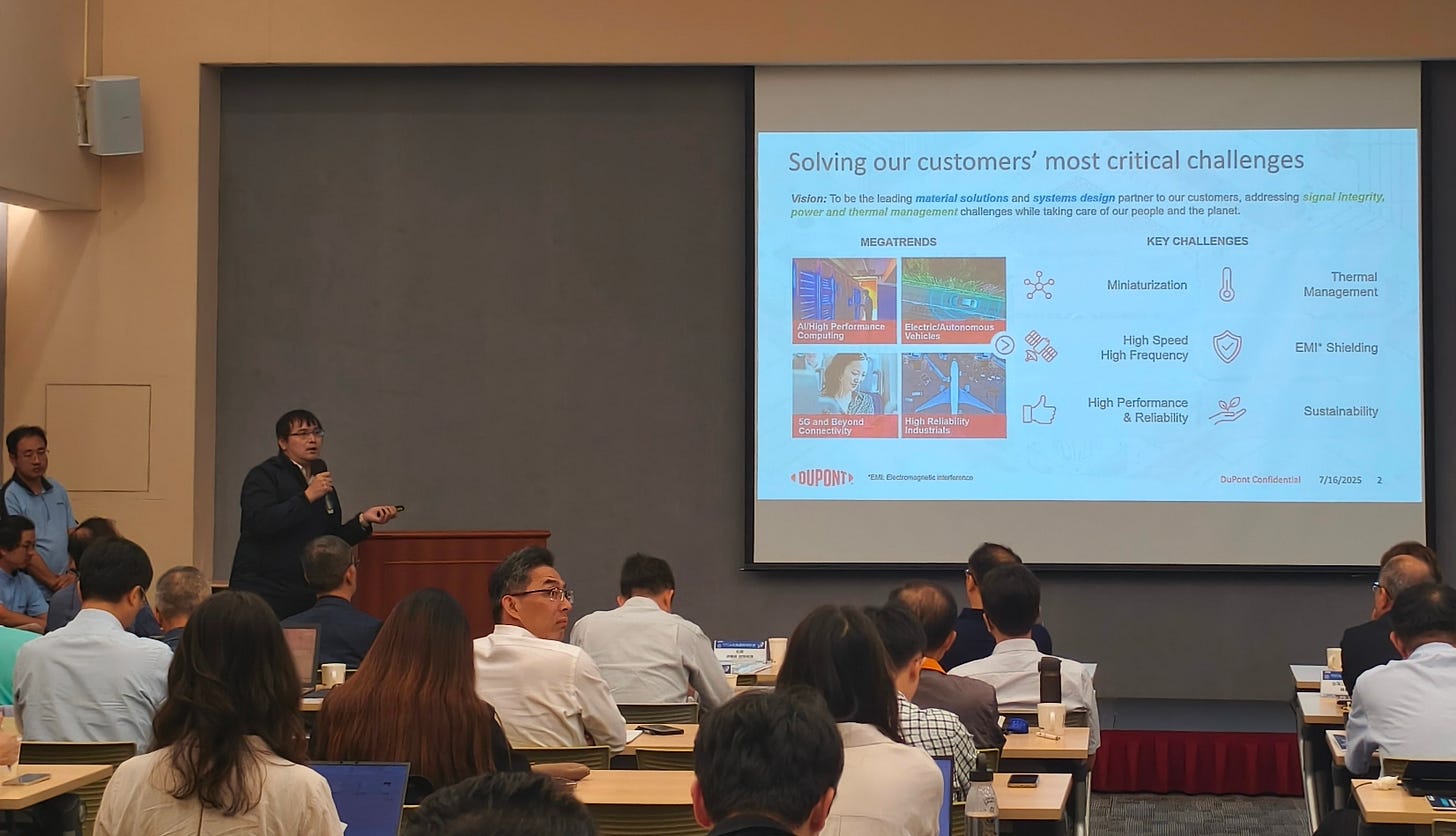
As electronic devices become more compact and powerful—particularly with the surge in AI computing and high-speed processors—thermal managementhas emerged as a critical design priority. Efficient heat dissipation is essential not only for ensuring performance and reliability but also for enabling further miniaturization and integration of complex electronic systems.
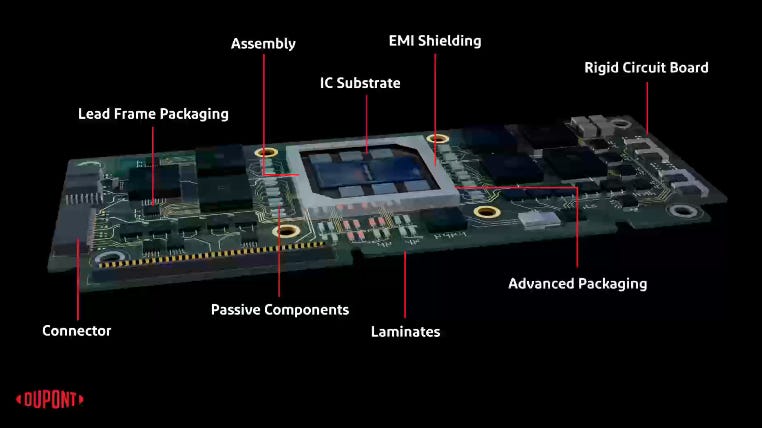
The Critical Need for Effective Heat Dissipation
Without proper heat management, electronic systems face several risks:
Performance Degradation:Excessive heat can cause performance throttling, system instability, or crashes, particularly in CPUs and GPUs.
Shortened Lifespan:A rise of 10°C in temperature can halve a component's lifespan by accelerating wear and failure mechanisms like electromigration.
Constraints on Integration:As devices integrate more heat-generating components within confined spaces, effective cooling is necessary to avoid thermal overlap and hot spots that limit performance and density.
Sources of Heat in Electronics
Heat in electronic systems arises mainly from:
Electrical Resistance:As current passes through metal traces, resistance generates heat, worsened by higher current densities.
IC Switching:Integrated circuits generate heat during their rapid switching cycles.
Leakage Currents:As semiconductor fabrication scales down, leakage currents increase, contributing to additional heat generation.
Mechanisms of Heat Transfer

There are three primary ways heat is transferred:
Conduction:The main mode within solid components like chips, PCBs, and packages. Efficiency depends on eliminating air gaps and ensuring solid contact.
Convection:Transfers heat from surfaces to surrounding fluids (air or liquid), typically enhanced by fans or liquid cooling.
Radiation:Plays a minor role in PCBs but is present in general heat transfer.
Understandingthermal resistance—akin to electrical resistance—is key: lower thermal resistance equates to better heat conduction. Air has high thermal resistance, making the elimination of air gaps critical.

2025年7月9日
PCB and HDI Design Strategies for Thermal Efficiency
Key design principles for managing heat in PCBs and HDIs include:
Maximizing Copper Content:
Copper’s thermal conductivity (~401 W/mK)far exceeds that of standard PCB materials like FR4 (~0.3-0.7 W/mK).
Techniques include increasing copper thickness (e.g., from 1 oz to 3 oz in power layers), widening traces, enlarging pads, and integrating solid copper planes beneath heat sources.
Thermal Vias:
Copper-filled vias enable vertical heat transfer through the PCB. Dense via arrays significantly reduce thermal resistance, especially when filled with conductive materials like copper or silver paste.
Distributing Heat Sources:
Properly spacing heat-generating components prevents hot spots and balances temperature distribution across the board.
Advanced Substrate Designs:
Moving from simple copper planes to complex, dense via patterns and intricate trace layouts to optimize both electrical and thermal performance.
Precision manufacturing processes, including laser drilling and electroplating, are essential for high aspect ratio vias and maintaining layer alignment for vertical heat paths.
External Heat Management and Thermal Interface Materials (TIMs)
External strategies complement internal PCB designs:
Heat Sinks:Enhance surface area to improve convection-based cooling.
Forced Convection:Using fans to increase airflow across heat sinks, boosting heat removal efficiency.
TIMs:Fill microscopic air gaps between chips and heat sinks, dramatically reducing thermal resistance at interfaces.
Types of Thermal Interface Materials (TIMs)

DuPont (via Laird Performance Materials) offers various TIM solutions:
Thermal Pads:Suitable for even surfaces but less flexible for height variations.
Thermal Grease/Paste:Highly conformable for uneven surfaces but requires controlled application.
Phase Change Materials:Solid at room temperature, liquefy with heat to ensure tight contact.
Thermal Gels:More viscous than greases, ideal for larger gaps.
Soft Insulating Pads:Provide electrical insulation alongside heat dissipation.
Non-silicone TIMsare gaining traction where outgassing from silicone could impact sensitive electronics or optics.
Mitigating Pressure on Chips
For large chips, especially in AI processors, excessive pressure from heat sink mounting is a concern:
Gel-like or liquid TIMs(e.g., greases, phase change materials) distribute pressure evenly, protecting delicate chip surfaces.

Laird, a DuPont Business, is a global leader in advanced materials and solutions that enable performance, reliability, and protection in electronic systems. Acquired by DuPont, Laird specializes in high-performancethermal interface materials (TIMs),EMI (electromagnetic interference) shielding solutions, andsignal integrity products, serving critical industries such as electronics, telecommunications, automotive, and aerospace.
By leveraging DuPont’s extensive material science expertise, Laird provides cutting-edge solutions that address the challenges of heat dissipation, signal protection, and electromagnetic compatibility in increasingly compact and high-power electronic devices. Their innovations help improve the performance, efficiency, and longevity of electronic products in demanding applications like data centers, 5G infrastructure, EVs, and advanced computing.
Next-Generation Materials for Thermal Management
DuPont has advanced materials for both rigid and flexible PCB applications:
Laird TM (Rigid Materials):
Offers~3 W/mK thermal conductivity, 12 times higher than FR4.
Facilitates two-way heat dissipation—upwards and downwards—ideal for high-power modules like LEDs and EV components.
Compatible with standard PCB manufacturing and superior to ceramics in processability and thermal cycling.
DuPont Flexible Polyimide (PI) Materials:
Deliver4x the thermal conductivity of traditional PI.
Suitable for insulating and heat-dissipating layers in flexible PCBs.
Can replace ceramic substrates in power modules (e.g., IGBTs), providing better thermal shock resistance and flexibility.
Supporthigh power density and miniaturization, withstanding up to200°Cand enduring thermal cycling without cracking.
Available in single- or double-sided formats for diverse design needs.
In the era of AI, 5G, and high-performance computing, thermal management is foundational to sustaining performance, reliability, and device miniaturization. By optimizing PCB and HDI copper design, implementing effective via strategies, applying advanced TIMs, and adopting next-gen substrate materials, manufacturers can ensure efficient heat dissipation, prolonging the life and reliability of advanced electronics.

2025年7月28日
Intel :Breakthroughs and Applications of Next-Generation Thermal Dissipation for High-Performance Computing

Enter Intel’s SuperFluid Advanced Cooling Technology, a paradigm-shifting solution that addresses these challenges head-on. Presented by Justin Wu, Intel’s distinguished engineering lead, at the 2025 TPCA Technical Forum. These innovations underscore a strategic pivot toward liquid-based cooling ecosystems. Drawing from principles of fluid dynamics and materials science, SuperFluid not only mitigates thermal throttling in high-TDP (Thermal Design Power) chips but also aligns with broader AI trends: hyperscale data center expansions, energy-efficient inference at the edge, and sustainable semiconductor fabrication.

Emerging Trends: The Shift from Air to Liquid in AI Data Centers
Air cooling is losing the battle. Data centers powered by AI need far more computing muscle in less space. A single rack of servers can now draw over 100 kW — that’s enough to power 50 homes. Air can’t remove that much heat fast enough without turning server rooms into wind tunnels.Liquid cooling, on the other hand, is far more efficient. It uses special non-conductive fluids that carry heat away 1,000 times better than air. Here are the three big trends Intel highlighted:
Direct-to-Chip (D2C) Liquid Cooling
Instead of cooling the whole server with fans, coolant flows directly over the hottest part of the chip through tiny tubes. This keeps high-power AI processors — like Intel’s Xeon or NVIDIA’s latest GPUs — running at full speed without overheating.
Eco-Friendly and Two-Phase Cooling Gaining Ground
Single-phase cooling uses a steady flow of liquid, like oil, to absorb heat.
Two-phase cooling lets the liquid boil and turn into vapor, absorbing even more heat in the process.
Both are now using greener, biodegradable fluids that don’t harm the environment if spilled.
AI-Powered Thermal Control
Smart software now predicts where heat will build up and adjusts coolant flow in real time. This is critical for edge AI — think self-driving car systems or factory robots — where space is tight and every watt counts.
Liquid cooling jumping from just 10% of the market in 2020 to over 40% by 2025. That’s not a guess — it’s backed by real demand. Hyperscale giants like Microsoft, Google, and Amazon are building AI “superclusters” that need this level of cooling to stay online and efficient.

Breakthrough Innovations: SuperFluid’s Dielectric Edge
The heart of Intel’s presentation is SuperFluid — a next-generation liquid cooling system designed to replace old water-based cold plates. Traditional liquid cooling has one big weakness: leaks. Even a tiny drop of water near a live circuit can cause a short and destroy millions of dollars in equipment.SuperFluid fixes this with three smart innovations:
100% Dielectric Fluid
The coolant is completely non-conductive — like oil, but engineered for cooling. Even if it leaks, it won’t short-circuit the chips. This allows full immersion cooling, where entire server boards are submerged in fluid.
Massive Heat Capacity
SuperFluid can handle chips up to 1,000 watts today, with plans to scale beyond 2,500 watts. That’s enough for the most powerful AI training systems coming in 2026 and beyond.
Phased Rollout for Different Power Levels
Intel isn’t trying to do everything at once. They’re rolling out SuperFluid in stages:
Phase 1: Up to 1,000W — perfect for current AI servers
Phase 2: 1,500W+ — for next-gen multi-chip packages
Phase 3: Custom solutions for 2,500W+ superchips
Why This Matters: AI, Energy, and the Future of Computing
AI isn’t slowing down. By 2027, 70% of AI workloads will run inference — real-time decisions in cars, hospitals, and factories. These systems can’t afford downtime or high energy bills. SuperFluid helps in three big ways:
More Performance per Watt
Cooler chips run faster and use less power. That means lower electricity costs and smaller carbon footprints.
Denser, Smarter Data Centers
With liquid cooling, one rack can do the work of three air-cooled ones. That’s critical as land and power become scarce in tech hubs like Virginia, Singapore, and Taipei.
Sustainability Built In
New fluids are biodegradable. Some systems even recapture waste heat to warm buildings. This aligns with global goals — like the EU’s 2050 net-zero target.
Intel’s foundry business is also betting big. Their 18A (1.8nm) process, launching in 2025, will power custom AI chips for clients like Amazon and the U.S. military. SuperFluid ensures those chips can run at full potential without thermal limits.
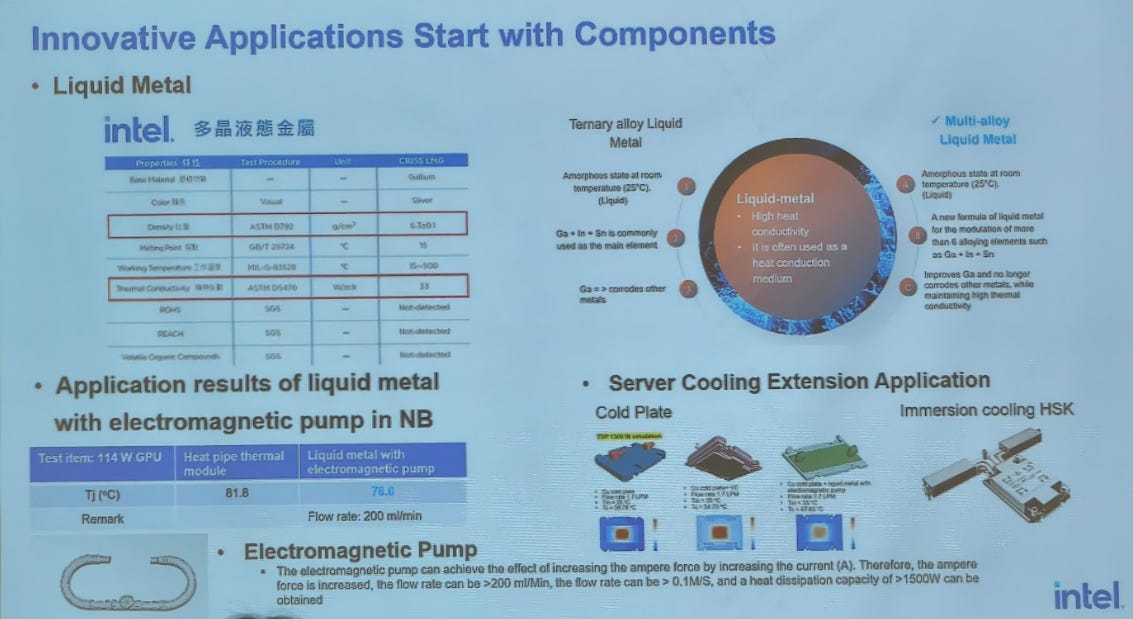
As AI pushes computing to new extremes, one thing is clear: the future won’t be won by the fastest chip alone — but by the one that stays cool under pressure.
AEWIN :Immersion Cooling Technology: From Single-Phase to Dual-Phase
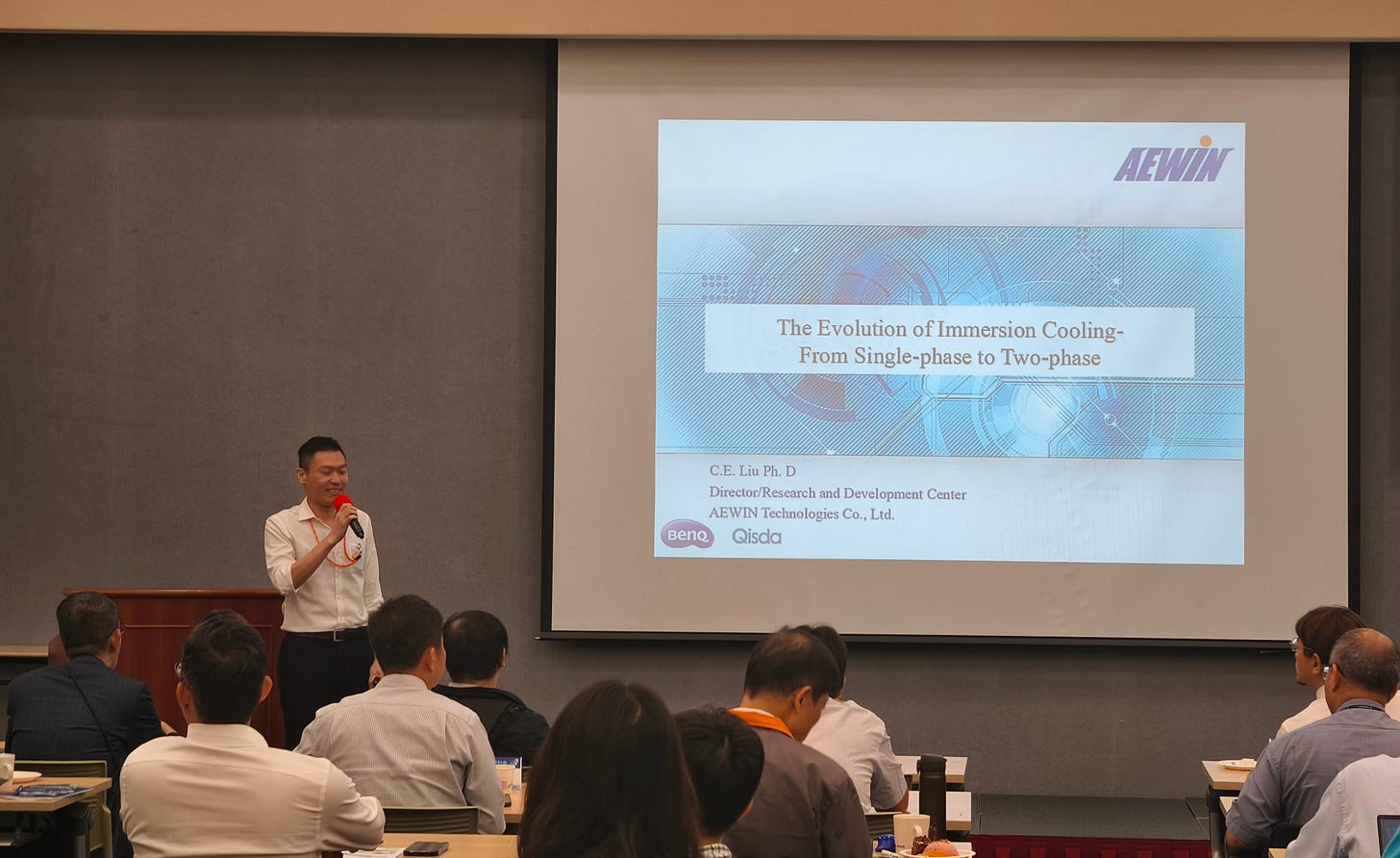
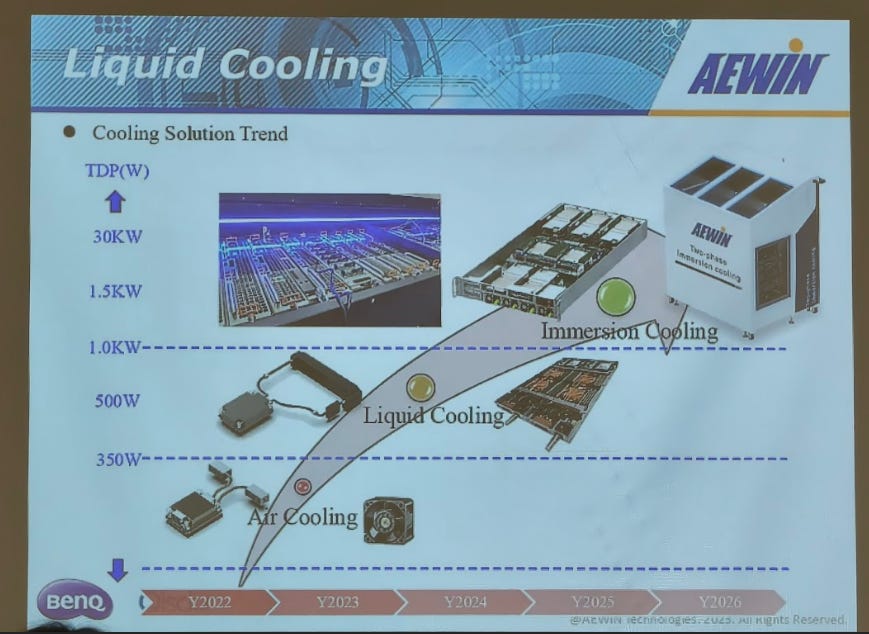

As data centers and high-performance computing systems continue to scale,efficient cooling technologieshave become critical to managing energy consumption and ensuring system stability. With rising chip power densities, traditional air cooling methods are approaching their limits, prompting the industry to explore advanced liquid-based and immersion cooling solutions to optimizePower Usage Effectiveness (PUE)—a key metric where the ideal value of 1 indicates that all energy is used directly for computing.
Cooling Technologies: Methods and Constraints
Air Cooling
The most traditional method, leveraging fans and heat sinks to dissipate heat into ambient air.
Effective up to1000W per chip, but struggles with higher power densities.
Cooling beyond the server relies on air conditioning within the data center.
Liquid-to-Air Cooling
Involves integrating water-cooled backplanes within servers, transferring heat from components to a liquid medium, which is then cooled by air.
Popular due to compatibility with existing infrastructure; approximately50% of global data centersutilize this approach.
Liquid-to-Liquid Cooling
Employs liquid cooling both within the server and at the facility level viaCoolant Distribution Units (CDUs)that transfer heat to the building’s water system.
This is currently thefastest-growing solution, with platforms likeNVIDIA’s H100employing hybrid systems of liquid cooling for core components and air cooling for peripheral parts.
Liquid-to-Refrigerant Cooling
A less common, developing method that introduces refrigerants for enhanced heat exchange post-liquid cooling, still in experimental phases.
Immersion Cooling: The Next-Gen Solution
When chip power densities surpass3000W,immersion coolingis emerging as the go-to technology. Although mainstream chips are around 2000W today, next-generation processors are expected to exceed this threshold.
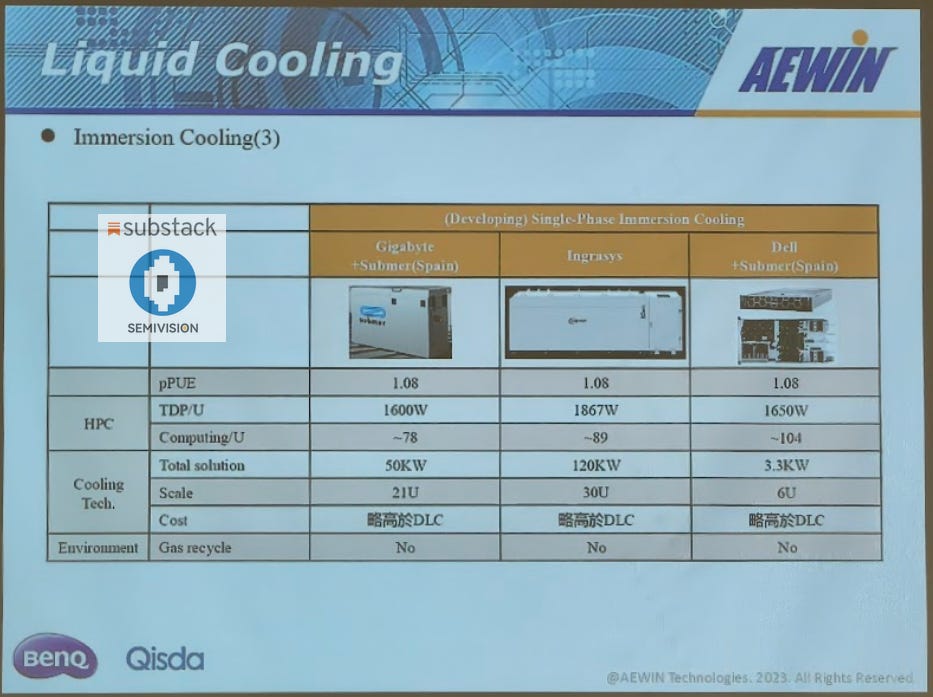
Advantages of Immersion Cooling:
Energy Efficiency: Achieves83–93% energy savingsin cooling compared to traditional methods.
Higher Density: Increases server density by3–4 times; for instance, replacing 8 air-cooled servers per rack with up to42 immersion-cooled servers.
Water Conservation: Uses dielectric liquids instead of water, reducing water consumption.
Lower Operational Costs: Despite higher upfront investment, especially in specialized tanks and reinforced data center floors, immersion cooling offers lower total cost of ownership, with a payback period of4–8 yearsin Taiwan—shorter in regions with high electricity costs.
Types of Immersion Cooling
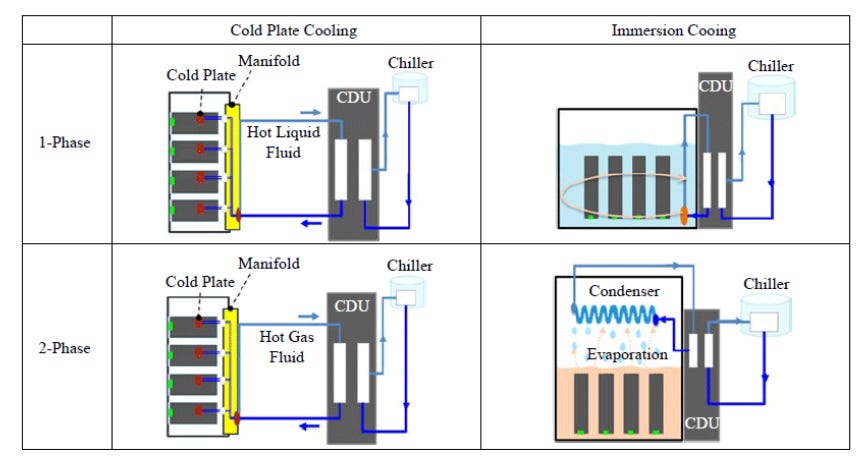
- Single-Phase Immersion Cooling
Mechanism: Servers are submerged in a non-conductive oil that absorbs heat, which is then transferred to a heat exchanger.
Heat Transfer: Relies onconvection, with liquid temperatures rising from input to output (e.g., 25°C to 70°C).
Challenges:
High Viscosity: Oils require stronger pumps, raising PUE.
Maintenance: Oils can thicken over time, complicating cleaning.
Flammability: Some oils are flammable; alternatives likeHFE fluids(non-flammable but costly) are used by companies such asTSMCfor safety.
- Two-Phase Immersion Cooling

Mechanism: Involves a low boiling-point liquid that vaporizes upon absorbing heat. The vapor condenses on a cooled coil and returns as liquid, creating aself-sustaining circulation.
Heat Transfer: Operates vialatent heat of vaporization, maintaining a stable liquid temperature (e.g., 35°C input/output).
Advantages:
Superior heat absorption with lower PUE.
Minimal pumping required due to natural phase change dynamics.
Challenges:
Sealing Requirements: To prevent evaporation of costly fluids (e.g., tanks may holdNT$100 million worth of liquid).
PFAS Concerns: Many fluids used are PFAS-based; while some are banned globally, current two-phase fluids remain compliant.
High Cost: Both fluid and infrastructure are expensive.
Common Challenges in Immersion Cooling
Material Compatibility: Components must be tested for chemical resistance to immersion fluids.
Weight Constraints: Fully-loaded tanks often exceed1 ton, requiring reinforced flooring beyond the standard800 kg/m² capacity.
Signal Integrity: Immersion fluids can affect electronic signal performance.
Environmental Considerations: Managing the environmental impact of PFAS and fluid volatility is crucial.
Market Adoption and Industry Players
Early Adopters: Cryptocurrency mining farms, where chips can reach12kW, have been pioneers in immersion cooling due to their extreme energy demands.
Data Centers: While slower to adopt, high-power applications are accelerating interest in immersion systems.
Taiwan’s Role: As the global hub producing80% of the world's servers, Taiwan is a key player in advancing immersion cooling technologies.
Key Companies:
Single-Phase Developers: Gigabyte, Inventec, SMG.
Two-Phase Developers: Emerging players with PUEs as low as1.02, along with GRC, Submer, Wiwynn. Notably, Quanta previously explored two-phase systems but ceased development.
Fluid Suppliers: Chemours, Solvay, Daikin, Honeywell, AGC, Yonghe (China). Taiwan currently lacks native fluorite materials or purification technology for HFE production.
The choice between single-phase and two-phase immersion cooling depends on specific operational needs, weighing factors like safety, environmental impact, and cost efficiency. As server power continues to rise, and sustainability becomes imperative, immersion cooling is set to become a cornerstone technology, especially for high-performance computing, AI, and mining applications.

2025年7月22日
The Future of Data-Center Cooling — How Two-Phase Liquid Immersion Redefines Efficiency, Scale, and Sustainability
In the race to meet exponential AI and hyperscale computing demand, the single biggest bottleneck no longer lies in chips — it’s incooling. The energy, space, and water required to maintain thermal stability in modern data centers are reaching unsustainable levels. A groundbreaking 2022 case study byLiquidStack, in collaboration with Page Southerland Page and BCER Engineering, provides the most comprehensive real-world comparison yet between traditionalair-cooledarchitectures andtwo-phase liquid immersion cooling (2-PIC). The results are transformative.
The Study at a Glance

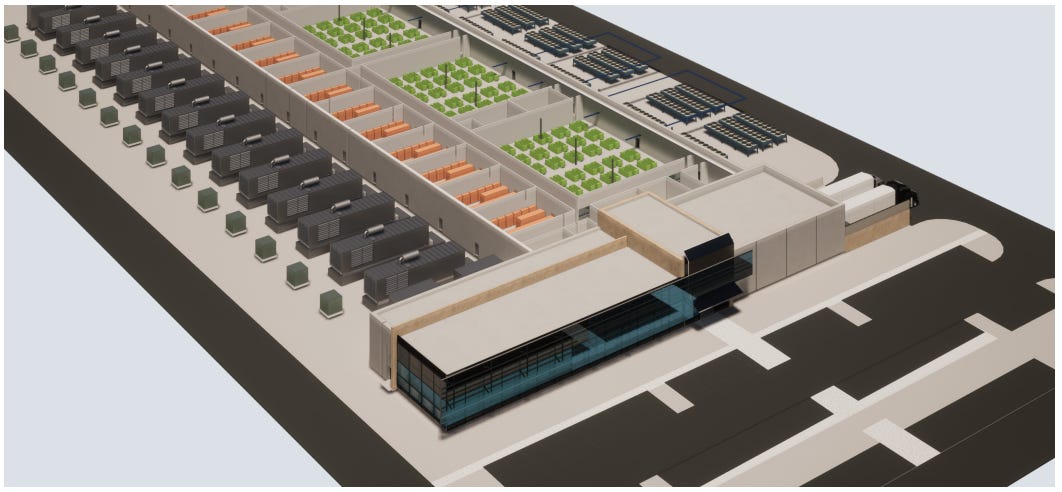
Researchers modeled two identical36 MW hyperscale data centersin Quincy, Washington — one built arounddirect evaporative (air) cooling, the other using2-phase liquid immersion. Each system was evaluated across mechanical, electrical, and architectural design, cost, water, and energy use.
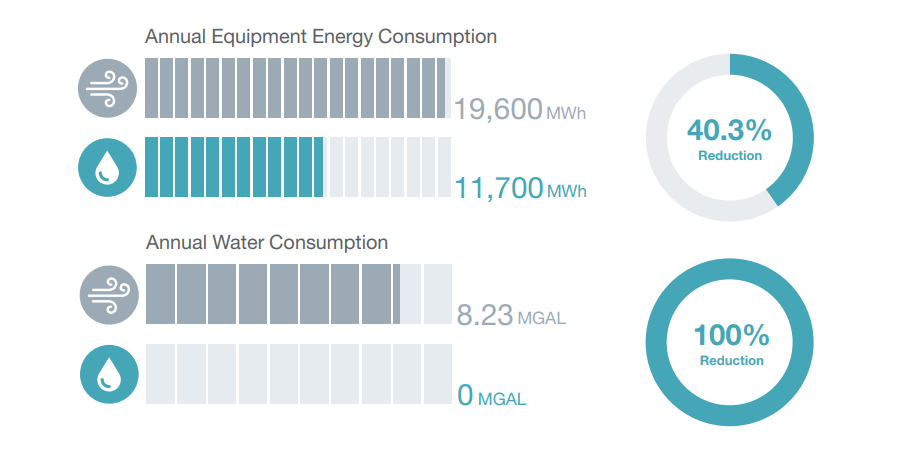
The analysis found that 2-PIC can maintain equal compute performance with:
7,900 MWh less energy per year,
Zero water consumption(versus 8.23 million gallons annually for air-cooled),
60 % smaller building footprint,
32 % smaller overall campus area, and
$123 million lower total construction cost.
These metrics translate to anaverage savings of over $3 million per MW— a radical improvement for large-scale deployments where every megawatt counts. 2022-Case-Study_Liquidstack
Engineering Principles Behind the Shift
Two-Phase Liquid Immersion Coolingworks by submerging IT hardware directly in adielectric fluid(such as Novec 7100). As components heat up, the liquid absorbs the energy and evaporates, transferring heat to a condenser coil where it re-liquefies in a closed loop.
Because of this phase-change process:
There isno need for chilled water, compressors, or adiabatic cooling, even in warm climates.
The entire system can operate usingdry coolerswith elevated water-loop temperatures (112–127 °F).
Power Distribution Units (PDUs) and server fans — responsible for up to 10 % of UPS capacity — can beeliminated, freeing more power for compute.
Server tanks can safely support150 kW per module, compared to roughly 10–20 kW per rack in air-cooled facilities.
Each 7 × 4 ft tank can replace up tofour conventional racks, packing nearly45 servers per tankversus 14 per cabinet in air-cooled halls. This allows operators to shrink white-space area by nearly 70 % while still achieving Tier III redundancy standards.
Power, Energy, and PUE Analysis
Both facilities were modeled with a constant 36 MW IT load. The air-cooled system required19,600 MWh/yearto operate mechanical and auxiliary equipment, whereas the 2-PIC facility needed only11,700 MWh/year— a40 % reduction.
Power Usage Effectiveness (PUE) improved from1.11 → 1.07, a meaningful gain when extrapolated across thousands of megawatts. The difference stems primarily from fewer conversion losses, lower fan power, and higher voltage delivery (480/277 V direct-to-tank).
Even more striking is the water efficiency:0 gallonsof annual make-up water for 2-PIC, compared to 8.23 million gallons for the air-cooled equivalent. This represents100 % water elimination, a major milestone for hyperscale sustainability initiatives.
Architectural and Economic Impact
By integrating cooling directly into the compute modules, 2-PIC reduces the need for massive air-handling units, ducting, and mechanical galleries.
Data-hall spaceshrinks from ≈ 185,000 ft² to ≈ 72,000 ft² (–60 %).
Supporting mechanical rooms drop by over 90 %.
Fewer buildings and reduced yard infrastructure translate to a$123.5 million total savingson a 36 MW campus — roughly$7.2 million per MW, compared to $10.9 million for air-cooled.
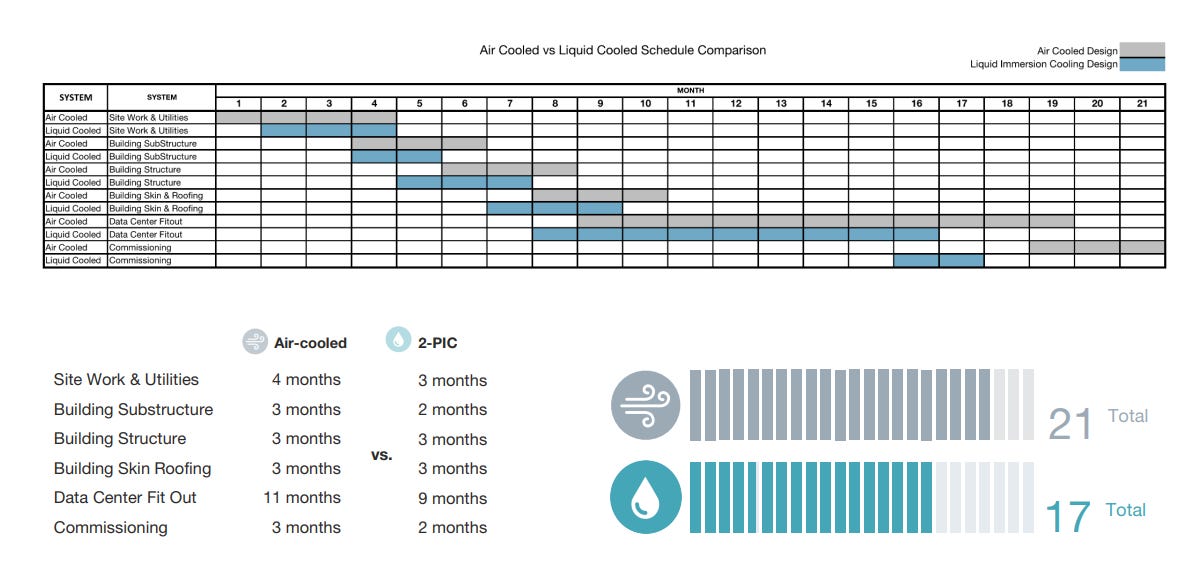
Construction timelines improve as well: 2-PIC projects can be completed in≈ 17 months, versus 21 months for conventional sites — afour-month acceleration.
Environmental and Strategic Implications
From a systems-thinking perspective, two-phase immersion cooling achieves what air-based designs cannot: a closed-loop thermal cycle that minimizes entropy, water, and land usage simultaneously. This makes it afoundational enabler for AI and HPC “megawatt-density” computing, where traditional data halls face physical and regulatory limits.
However, the study also flags several current barriers:
Limited supply of engineered dielectric fluids,
Restricted availability of immersion-ready server hardware, and
OEM warranty hesitancyfor retrofitted systems.
As vendors and hyperscalers address these issues, 2-PIC is poised to move from pilot projects to mainstream deployment — especially in regions with water stress or tight energy budgets.
Two-phase immersion cooling is more than a thermal solution; it represents aparadigm shift in data-center architecture. It allows AI infrastructure to scale vertically (in power density) rather than horizontally (in land and building area). It redefines efficiency from mechanical optimization tothermodynamic minimalism— using physics itself as the cooling engine.
If air cooling was the industrial era’s fan, liquid immersion is the AI era’s fluid logic — denser, quieter, and exponentially more sustainable.
Two-phase liquid immersion cooling cuts water, energy, space, and cost simultaneously, enabling the hyperscale industry to sustain exponential compute growth without exponential resource use.
What is a Coolant?

Acoolantis a substance — typically a liquid or gas — used toremove heat from electronic components, machinery, or systemsto maintain stable operating temperatures. In data centers and semiconductor environments, coolants serve a critical role inthermal management, ensuring that high-power devices such as CPUs, GPUs, and AI accelerators operate efficiently and reliably without overheating.
Unlike air, which has low heat capacity and conductivity, liquid coolants canabsorb and transfer heat much more effectively, allowing denser packaging and higher performance in computing systems. Depending on design, coolants can be used insingle-phase(liquid only) ortwo-phase(liquid–vapor) cooling systems.
Coolant Applications in Data Centers
With the explosive growth ofAI computingandhigh-density servers, traditional air-cooling methods are reaching their limits. Modern data centers increasingly adoptliquid-based cooling solutions, where coolants directly or indirectly contact heat-generating components.
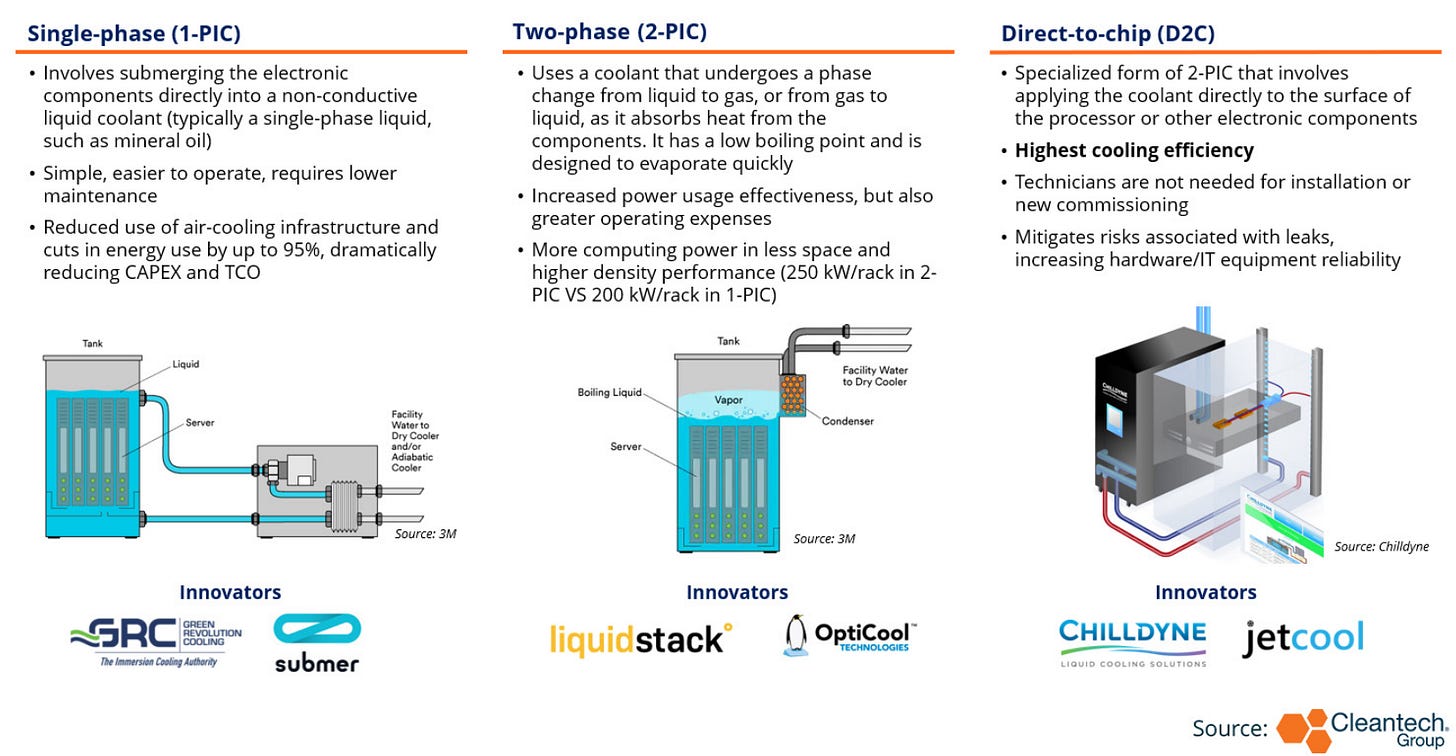
There are several major application modes:
Direct-to-Chip Liquid Cooling (DLC)
Coolants circulate through cold plates mounted on processors, absorbing heat and transferring it to an external heat exchanger.
Immersion Cooling
Entire servers or components areimmersed in a dielectric (non-conductive) coolant, enabling uniform and efficient heat removal.
Single-phase immersion:coolant stays liquid.
Two-phase immersion:coolant boils on contact with heat, and vapor condenses for recirculation.
Hybrid Cooling Systems
Combining air and liquid methods, often used during the transition phase toward full liquid cooling.
AI training clusters such asNVIDIA’s DGX, NVL72, and hyperscale rackscan consumetens of kilowatts per rack, generating enormous heat loads. Efficient coolants — especiallyfluorinated fluids, HFOs, and dielectric oils— are essential for:
Maintaining optimalthermal performanceandenergy efficiency
Ensuringelectrical insulation and system safety
Enablinghigh compute densityandcompact rack designs
Reducingwater and energy consumptioncompared to air cooling
In short,coolants are now a strategic enabler of AI data centers, bridging the gap between computational performance and sustainable energy use.
Overview of Fluorinated Coolants for Electronics and Immersion Cooling

Fluorinated heat transfer fluids are widely used insemiconductor, PCB, and AI server cooling systemsdue to theirhigh dielectric strength, chemical stability, and non-flammability. These fluids allowdirect or immersion coolingof electronic components without short-circuit risks, while maintaining efficient heat removal under high power densities.
Below is a summary of the main types and characteristics represented by the listed brands:
3M FC-3284 (PFC)– A perfluorocarbon-based fluid known for excellent chemical stability and electrical insulation. However, it has an extremely highGlobal Warming Potential (GWP >5000), making it unsuitable for long-term sustainable applications after 3M’s exit from this business line.
Inventec IM6 (C6F12)– A new-generationlow-GWP alternativeto traditional PFCs. It offers similar dielectric strength and good thermal conductivity, making it a practical drop-in replacement for older 3M fluids.
Chemours 2P50 / SF33 (HFO-based)– Belonging to thehydrofluoroolefin (HFO)family, these fluids featurevery low GWP (2–10)and better heat of vaporization. SF33 in particular supports higher thermal efficiency but requires more specialized handling due to its lower boiling point.
Yongtai LC-50– A cost-effective HFO coolant produced in Asia with moderate GWP and good balance of thermal and dielectric properties.
Daikin SS-49 (HFO)– Developed fortwo-phase coolingapplications. It provides stable performance up to ~50 °C and moderate GWP (~20), making it ideal forAI servers and power modules.
DSP R134A (HFC)– A traditional refrigerant with relatively high specific heat and vaporization energy, but a higher GWP (~1300). It remains common in legacy systems transitioning toward HFO-based solutions.
In summary, the industry trend is movingfrom PFC/HFC toward HFO-based coolants, aiming to reduce environmental impact while improvingthermal efficiency and dielectric reliability. Future development will focus onclosed-loop immersion systemsusing low-GWP fluids optimized forAI datacenter and high-density chip packagingenvironments.
Understanding Immersion Cooling Liquids — From Oils to Engineered Fluids
As computing power density continues to rise — driven by AI accelerators, GPUs, and chiplet-based architectures — traditional air cooling is reaching its physical limits. To maintain safe operating temperatures at rack densities exceeding100–150 kW, data-center engineers are turning towardimmersion cooling, a technology that directly submerges IT hardware in thermally conductive, electrically non-conductive liquids.
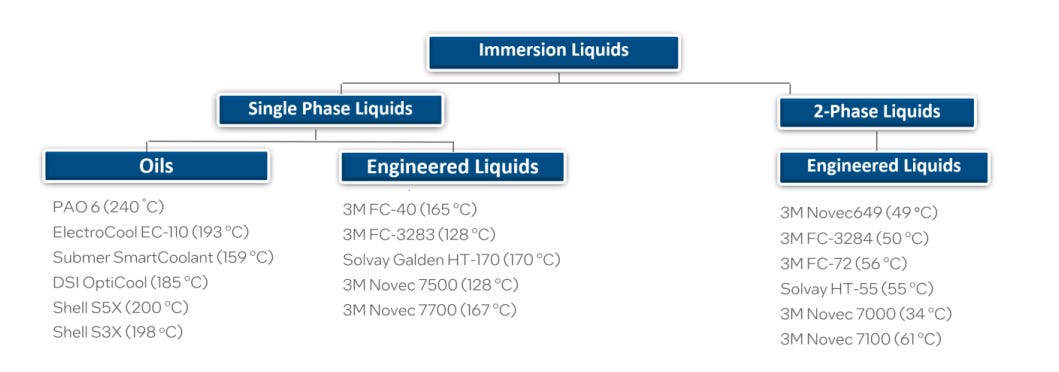
Immersion liquids can be broadly divided intotwo main categories:Single-Phase LiquidsandTwo-Phase Liquids. Each has distinct material chemistry, boiling behavior, and performance characteristics.
Understanding Immersion Cooling Liquids — From Oils to Engineered Fluids
As computing power density continues to rise — driven by AI accelerators, GPUs, and chiplet-based architectures — traditional air cooling is reaching its physical limits. To maintain safe operating temperatures at rack densities exceeding100–150 kW, data-center engineers are turning towardimmersion cooling, a technology that directly submerges IT hardware in thermally conductive, electrically non-conductive liquids.
Immersion liquids can be broadly divided intotwo main categories:Single-Phase LiquidsandTwo-Phase Liquids. Each has distinct material chemistry, boiling behavior, and performance characteristics.
- Single-Phase Liquids — Stable, Direct, and Energy-Efficient
Single-phase immersion fluids never boil during operation. Heat is transferred through convection and conduction, then dissipated through a secondary heat exchanger or dry cooler. These liquids are typicallyhydrocarbon- or fluorocarbon-based oils, offering long service life and chemical stability.
(a) Oils — Hydrocarbon-based Solutions
Examples includePAO 6 (Poly-Alpha-Olefin, 240 °C),ElectroCool EC-110 (193 °C),Submer SmartCoolant (159 °C),DSI OptiCool (185 °C), andShell S5X/S3X series (198–200 °C).
These oils are prized for their high flash points and non-volatile behavior, making them ideal for large-scale single-phase tanks that require minimal maintenance. Their viscosity and thermal capacity allow consistent cooling performance without fluid loss, but they tend to be heavier and may accumulate particulates over time, requiring periodic filtration.
(b) Engineered Liquids — Fluorinated or Specialty Synthetic Fluids
Companies like3MandSolvayhave developed tailored engineered fluids such as3M FC-40 (165 °C),3M FC-3283 (128 °C),Solvay Galden HT-170 (170 °C),3M Novec 7500 (128 °C), and3M Novec 7700 (167 °C).
These fluids are chemically inert, non-flammable, and maintain stable dielectric properties even at elevated temperatures. They are typically used where long-term electronics compatibility and low residue are critical — for example, in HPC and telecom environments where downtime is costly.
- Two-Phase Liquids — Harnessing Boiling for Maximum Heat Flux
Two-phase immersion liquids operate on a different thermodynamic principle:phase change. The liquid absorbs heat from electronic components and boils into vapor, carrying away large quantities of latent heat. The vapor then condenses on a cooled surface (usually a condenser coil) and returns as liquid in a closed loop.
This process deliversexceptionally high heat-transfer coefficients, enabling compact, high-density cooling tanks capable of supporting150–250 kW per system— ideal for hyperscale AI workloads.
Common engineered two-phase fluids include:
3M Novec 649 (49 °C)
3M FC-3284 (50 °C)
3M FC-72 (56 °C)
Solvay HT-55 (55 °C)
3M Novec 7000 (34 °C)
3M Novec 7100 (61 °C)
These fluids boil at relatively low temperatures (30–60 °C), ensuring that even moderate chip temperatures can initiate vaporization, thus stabilizing component thermal profiles without the need for mechanical chillers.
- Material Science and Environmental Considerations
The selection between single-phase and two-phase immersion fluids involves trade-offs amongthermal performance,material compatibility, andenvironmental sustainability.
Single-phase oilsare simple, cost-effective, and easy to handle, but their high viscosity and flammability require careful system design.
Two-phase engineered fluidsachieve unmatched efficiency but depend on specialty fluorochemicals — historically dominated by 3M’sNovecandFluorinertlines, which are being phased out due to stricter EU and U.S. environmental regulations on high-GWP (Global Warming Potential) compounds.
This regulatory shift has spurred innovation: new low-GWP and biodegradable fluids are emerging fromSolvay,Chemours, and start-ups specializing in hydrofluoroether (HFE) and hydrofluoroolefin (HFO) formulations.
- Application Outlook — The Liquid Backbone of AI Infrastructure
Immersion cooling, once confined to niche supercomputers, is becoming foundational to theAI data-center era. NVIDIA’s GB300 and future Rubin-series systems are expected to adopt hybrid architectures — combiningcold-plate direct liquid cooling (DLC)for GPUs withimmersion coolingfor system-level thermal balance.
As rack power climbs beyond 150 kW and AI training clusters exceed 10 MW per hall, immersion liquids will define the new equilibrium between thermal physics, cost, and sustainability. Each fluid category — oil-based or engineered, single- or two-phase — will find its place in a layered ecosystem of AI factory cooling solutions.
In short:
Immersion liquids are the unseen enablers of the AI age — where chemistry meets computation, and every molecule of coolant becomes a silent participant in the global race for performance and efficiency.

The EU F-Gas Regulation and Its Impact on Fluorinated Coolants
This is an excellent question — and it highlights one of the most significant regulatory turning points currently facing the cooling materials industry, particularly in the fields ofelectronic cooling and immersion fluids. Below is a detailed explanation.
The European Union’s primary law governing fluorinated substances is theEU F-Gas Regulation (Fluorinated Greenhouse Gases Regulation).
Official title:
Regulation (EU) No. 517/2014 on Fluorinated Greenhouse Gases
A majorrevision (Regulation (EU) 2024/573)was officially adopted inJanuary 2024, introducingstricter restrictions starting in 2025and continuing through the next decade.
Core Focus of the Regulation
This regulation targets fluorinated greenhouse gases (F-Gases) withhigh Global Warming Potential (GWP), including:
HFCs (Hydrofluorocarbons)
PFCs (Perfluorocarbons)
SF₆ (Sulfur Hexafluoride)
Their derivatives and mixtures.

Importantly, the F-Gas Regulation isnot limited to refrigerants— it also covers fluorinated fluids used inrefrigeration, air conditioning, electronic cooling, foaming, fire suppression, and even semiconductor manufacturing.
Coolants Affected by the Regulation
Based on the comparative data, the following coolants fall under the EU F-Gas restrictions or phase-out categories:
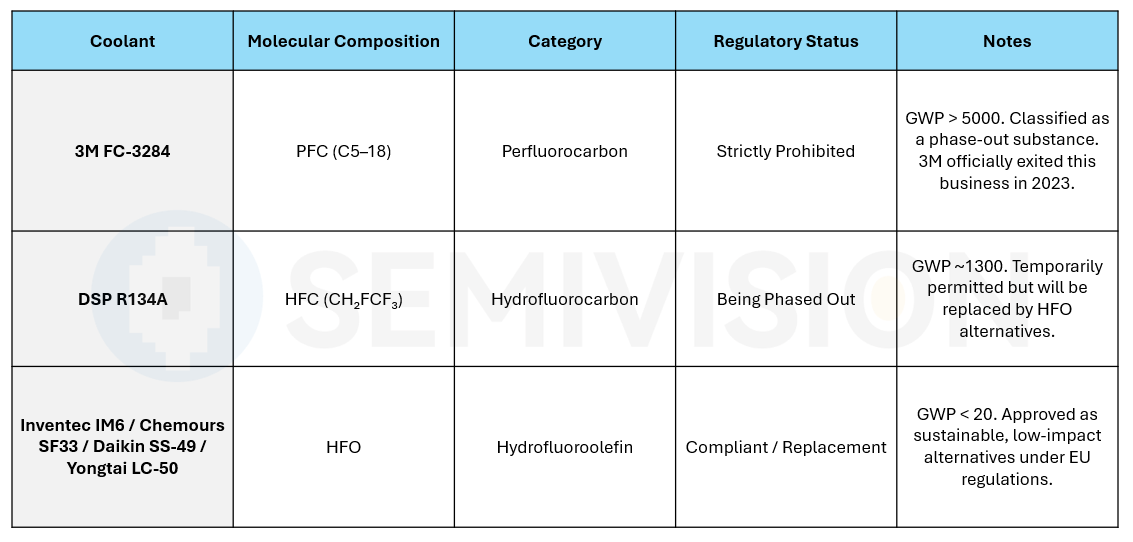
In late 2022,3M announced its complete exit from the fluorochemical business, citing global regulatory pressure — including theEU F-Gas Regulation,REACH, andU.S. EPA PFAS restrictions.
This has triggered an industry-wide transition towardHFO (Hydrofluoroolefin)andnon-fluorinated alternatives, such ashydrocarbon-basedandsilicone-basedcoolants. These emerging materials are not only environmentally safer but also align with future EU and global climate frameworks.
Under the revised EU F-Gas Regulation, the use offluorinated fluids with GWP > 150in new cooling equipment will beprogressively banned after 2030. As a result, both European and global data center operators — particularly those deployingAI-driven immersion cooling systems— are accelerating the adoption ofHFO and non-fluorinated coolants.
This marks a decisive shift for the cooling materials industry:
from high-GWP legacy compounds like PFCs and HFCs,
to anew generation of sustainable, high-performance cooling fluidsoptimized for the era of AI data centers.
From GB200 to GB300: How NVIDIA’s “Cordelia” Architecture Redefines Liquid Cooling
When NVIDIA launched the Grace-Blackwell GB200 system, it already represented a monumental leap in high-performance computing — combining CPU-GPU hybrid compute with extremely high rack density. Yet, as the company now prepares for its next-generationGB300 “Cordelia” architecture, the defining breakthrough is not purely computational; it is thermal. The evolution from GB200 to GB300 reveals a decisive inflection point in how future AI factories will be designed, cooled, and powered.
In traditional data-center design, heat removal is often treated as an afterthought — a supporting utility to enable computation. But with each new AI generation pushing higher thermal design power (TDP) and tighter interconnect densities, cooling has become the limiting factor that determines not only energy efficiency but also system scalability. The GB300 platform embodies this new philosophy: thermal design is no longer a constraint, but an active enabler of performance.

Power Density Surge — from 120 kW to 150 kW per Rack
The first and most visible difference between GB200 and GB300 is raw power density. Each rack of GB300 is projected to reach150 kilowatts, roughly25 percent higherthan the GB200’s 120 kW envelope. This escalation is driven by the GPUs themselves, each now consuming around1.4 kW per chip, up from approximately 1.1 kW in the previous generation. When multiplied across more than a hundred GPUs per rack — each interconnected through high-bandwidth NVLink and NVSwitch fabrics — the thermal load compounds rapidly.
At this scale, air-based cooling is no longer viable. Even the most advanced direct-evaporative systems struggle beyond 80–100 kW per rack due to airflow resistance and uneven heat distribution. GB300 therefore represents the natural progression towardfull liquid cooling, not as an optional feature but as a structural requirement of the architecture itself. The 150 kW rack is not merely a denser box of silicon — it’s a controlled thermodynamic system engineered for constant heat flux and ultra-stable operating conditions.
Independent Cold-Plate Design — Chip-Level Thermal Zoning
Whereas GB200’s liquid-cooling loop grouped multiple GPUs under shared cold plates, the new Cordelia system adopts afully independent cold-plate design. Each GPU receives its own dedicated heat exchanger, with individually tuned inlet and outlet microchannels. This architectural choice reflects a profound shift in thermal philosophy: instead of dissipating heat from a collective block of processors, the system now manages heat generation at the source — the individual die.
This granular approach dramatically improves heat uniformity, preventing the “thermal shadowing” effect common in shared-plate designs, where the outer chips run cooler while inner dies accumulate residual heat. It also simplifies maintenance and module replacement, since each cold plate can be serviced independently without draining the entire rack loop.
According to data released by Han’s Liquid Systems and CDCC industry research, thenumber of cold plates per compute trayin GB300 will rise from 54 in GB200 to 126 — an astonishing133 percent increase. Every single die, memory stack, and interface ASIC is now thermally isolated, connected through precision manifolds that ensure identical flow distribution. This redesign converts the rack from a coarse “zone-cooled” system into a precisely meteredthermal lattice, where every GPU operates within a narrow and predictable temperature delta.
The Miniaturization of UQD — Smaller, Cheaper, and Far More Numerous
This leap in thermal granularity would not be possible without a new generation ofquick-disconnect connectors— the tiny mechanical couplings that allow coolant lines to be attached and detached safely during service. GB300 introduces NVIDIA’sNV-UQD03connector, a miniaturized quick-disconnect that is roughlyone-third the sizeof its predecessor.
On the surface, the smaller connector reduces individual cost by about 40 percent, falling from roughly $70–80 to $40–50 per pair. But the total number of connectors per rack more than doubles — from 126 pairs in GB200 to at least 270 pairs in GB300. The resulting growth in total demand means that despite the lower unit price, the total value of connectors per rack actually increases by around17 percent, reaching approximately$99,000in liquid-cooling hardware per system.
The design goal of the smaller UQD03 isn’t cost reduction; it’sfluidic efficiency. By reducing internal volume and flow resistance, the connectors allow faster circulation through tighter manifolds, lowering system pressure while maintaining higher coolant velocity. This enables the 150 kW rack to sustain continuous flow rates of 60–65 liters per minute — roughly 30 percent higher than GB200 — without proportional increases in pump energy.
Cooling Efficiency and Economic Trade-offs
From an engineering standpoint, the Cordelia architecture’s precision cooling eliminates large-scale thermal gradients, which in previous generations often caused reliability degradation and uneven overclocking potential. By giving every chip its own microfluidic loop, NVIDIA engineers achieve uniform junction temperatures — a critical condition for stable AI training workloads running 24/7 at full power draw.
At the same time, this refinement simplifies mechanical integration. The system no longer relies on bulky manifolds or large-diameter hoses but instead ondense arrays of fine-bore linesconnecting compact cold plates to a high-efficiency pump and manifold subsystem. It’s a smaller, faster, and more modular cooling ecosystem, mirroring the way chiplets replaced monolithic dies in semiconductor design.
Impact on the Liquid-Cooling Supply Chain
The GB300’s design evolution will ripple through the entire liquid-cooling ecosystem. Forcold-plate manufacturers, the rise from 54 to 126 plates per rack means demand for precision-machined copper and aluminum microchannel modules could more than double. Vendors such asAavid, Boyd, and Cooler Master’s industrial unitwill need to scale production capacity, automation, and fluid testing capabilities.
Connector manufacturerssuch asStäubli, CPC, Parker, and Quick Couplings Inc.will face both opportunity and margin compression — higher volumes but lower average selling prices per unit. To meet NVIDIA’s scale and reliability requirements, they must develop next-generation seals and quick-disconnect valves that can withstand frequent service cycles, maintain leak-proof operation at higher pressure differentials, and resist corrosion under mixed-metal coolant conditions.
System integratorswill also need to rethink how they build manifolds, pumps, and coolant distribution units (CDUs). As cooling loops become more segmented, redundancy and monitoring become critical — sensors for flow rate, temperature, and pressure will need to be embedded throughout the rack. For hyperscale operators, this shift also implies new logistics: more connectors, more fluid joints, and thus more testing during assembly.
Finally,coolant suppliers— particularly those providing engineered dielectric or glycol-based fluids — will play a strategic role. The higher operating flow velocities of GB300 require stable fluid chemistry, minimal viscosity change across temperature gradients, and superior anti-corrosion properties. These requirements could give rise to a new class of “AI-grade coolants,” just as AI-grade silicon redefined semiconductor standards.
Strategic Outlook — Cooling as the New Compute Frontier
The GB300 “Cordelia” platform symbolizes a broader industry shift: as AI computation scales exponentially,thermal management becomes the new Moore’s Law. The gains once achieved through transistor miniaturization are now being reclaimed through thermodynamic optimization. In this context, NVIDIA’s independent cold-plate design and compact UQD03 connectors are not mechanical details — they are the physical infrastructure enabling the next decade of AI scaling.
By moving from shared cooling zones to chip-level precision loops, GB300 racks achieve both higher reliability and higher efficiency. Each watt of power is not just consumed but carefully dissipated, allowing the system to sustain extreme computational density without thermal throttling. The implications extend beyond NVIDIA: every hyperscale operator, from Google to Microsoft to Amazon, will have to adopt similar granular cooling strategies if they want to host multi-hundred-kilowatt racks in the coming years.
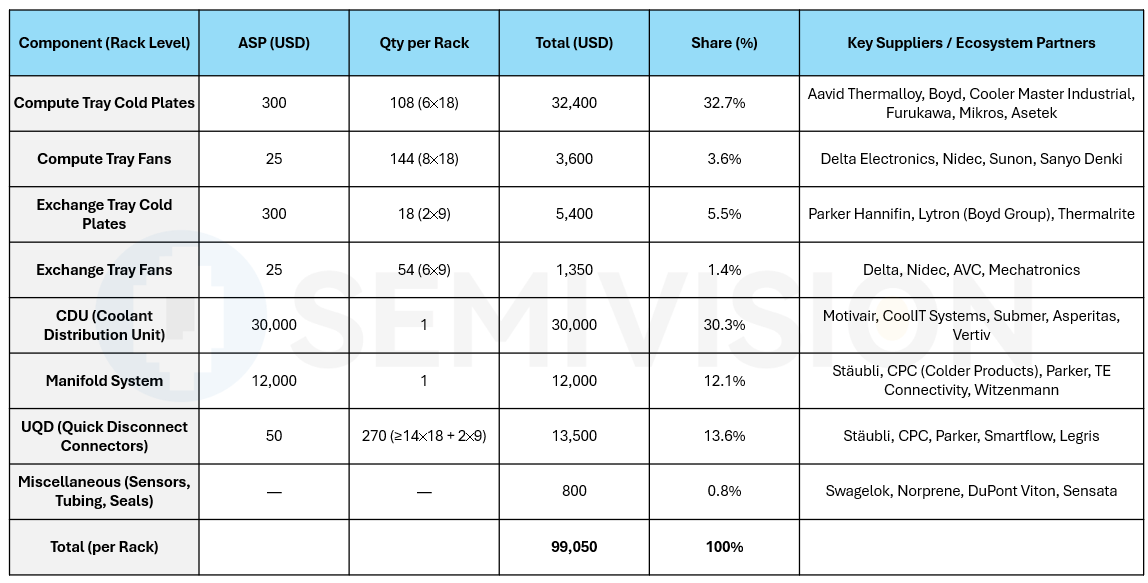
The Coming Tsunami in GPU Liquid Cooling — Market to Hit US$6.5 billion by 2026
In the post–Blackwell era, data-center cooling is no longer an engineering afterthought; it is the strategic foundation of the AI economy. As NVIDIA’s GB200 and GB300 systems ramp up shipments globally, they are not just driving GPU adoption—they are transforming how heat is managed across the entire AI infrastructure stack.
According toTrendForceandGlobal Market Insights, the total market for liquid cooling used in AI and HPC systems is on track to reachUS$6.5 billionby 2026, representing a staggeringcompound annual growth rate (CAGR) of roughly 30% between 2025 and 2026. This surge is being propelled by the rapid deployment of NVIDIA’s Grace-Blackwell (GB200) and next-generation GB300 “Cordelia” racks, both of which rely heavily on direct liquid cooling (DLC) architectures.
From Niche Technology to Dominant Cooling Standard
The key driver of this growth is the structural shift from air-based to liquid-based thermal management. The expansion of GB200 and GB300 shipments has pushed liquid-cooling adoption to unprecedented levels—over 80% of all high-end NVIDIA GPUsare now shipped in systems that depend on some form of liquid cooling.
This marks a structural transition point: liquid cooling is no longer a niche used in supercomputers—it is becoming thedefault cooling standardfor hyperscale AI infrastructure.
Beyond GPUs: The Rise of System-Wide Thermal Design
While GPUs and CPUs remain the most thermally demanding components, the need for efficient cooling is expanding across the entire compute stack. Components such as memory, networking ASICs, and power delivery modules are all approaching heat densities that make air-based cooling impractical.
The next generation of data-center architecture reflects this integration. Companies like NVIDIA, AMD, and hyperscale operators such as Meta and Microsoft are now co-designingsystem-level liquid-cooling ecosystems, ensuring that every thermal node—from GPU die to optical transceiver—is managed within a closed, precisely regulated loop.
As a result, thecost structure of data centers is being rewritten. Cooling, which once accounted for 10–15% of total infrastructure CAPEX, is now approaching30–35% for AI-focused facilities. Yet this shift also delivers efficiency gains: better energy reuse, lower PUE (Power Usage Effectiveness), and significantly reduced water consumption.

Compute Blades: A New Building Block for AI Factories
One of the most significant innovations emerging from this transformation is thecompute blade—a modular, fully liquid-cooled compute unit designed for ultra-high density and maintainability.
Unlike traditional rackmount servers, compute blades integrateGPUs, CPUs, memory, and power deliveryinto a single, sealed liquid-cooling enclosure. Each blade acts as aself-contained compute module, connected via quick-disconnect manifolds for plug-and-play operation.
This design philosophy mirrors what is happening with theRubin Ultra NVL576andKyber architectures, which aim to deliver400–600 kW-class racksby 2027. According to industry sources, these future-generation systems willcompletely abandon air cooling, achieving 100% liquid-based thermal control while adopting compute blades as the fundamental structural unit.
The result is a paradigm shift in how AI systems are built and scaled. Compute blades allow operators toassemble data-center capacity like Lego blocks—each blade optimized for performance, cooling, and energy reuse. In effect, thermal management becomes modular, serviceable, and infinitely scalable.
Market Outlook — Liquid Cooling as the Core of AI Infrastructure
Looking toward 2026 and beyond, the convergence ofthermal engineering and compute architecturewill define the next wave of AI infrastructure investment. Liquid cooling is transitioning from a secondary technology into thecentral nervous system of the data center—determining performance, energy efficiency, and capital allocation.
The growth trajectory is clear:
By2025–2026, liquid cooling will become thedominant standardfor all AI-class compute racks above 80 kW.
By2027, architectures such as Rubin Ultra and Kyber will institutionalizecompute blade design, making 100% liquid cooling the baseline for next-generation AI factories.
As AI compute scales beyond 10 GW globally, the thermal hardware ecosystem—from cold plates to connectors—will evolve into a trillion-yuan industry supporting the digital energy economy.
In essence, the evolution from GB200 to GB300 is not just a product cycle—it’s athermodynamic revolution. The physics of heat is now the economics of AI.
The Future of AI Is the System, Not the Machine

From Isolated Chips to Integrated EcosystemsIn the past, artificial intelligence lived inside a single powerful machine — a GPU cluster humming in a data center, crunching numbers in isolation. But by 2025, as shown in the OCP Summit diagram titled “Optimizing Grid-to-Chip: IT/OT Converging”, the future of AI is no longer confined to a box. AI is becoming the entire system — a seamless, intelligent network that stretches from the power grid to the silicon die.This is not just about faster chips. It’s about orchestrating an entire infrastructure where power, cooling, networking, and compute work as one living organism. The diagram illustrates this shift vividly: a modern AI data center is no longer a collection of servers — it’s a converged IT/OT (Information Technology / Operational Technology) ecosystem, where every component is monitored, optimized, and automated in real time.
Power:

The Hidden Brain of AIAt the top of the diagram, utility control buildings and power pods feed electricity into the facility. But this isn’t passive power delivery. Advanced metering and monitoring systems track consumption down to the watt. Remote power panels (RPPs) and track busways distribute energy dynamically — rerouting it to racks running heavy AI training jobs while scaling back idle zones.This matters because AI workloads are unpredictable. A large language model might spike from 10 kW to 100 kW in seconds. Without intelligent power routing, you’d need massive overprovisioning — wasting energy and money. Here, embedded power products (in purple) — like smart power supplies supplies and DC-DC converters — act as the nervous system, ensuring stable voltage even as demand surges.
Cooling:

The Circulatory SystemThe orange layer shows cooling products — cold plates, liquid rack manifolds, and coolant distribution units (CDUs). These aren’t afterthoughts. In high-density AI racks, a single GPU can generate over 1,000 watts of heat. Air cooling fails at this scale. Instead, liquid cooling loops run directly to each server, pulling heat away with precision.But the real breakthrough? System-level coordination. Sensors in the CDUs talk to the power system. If a rack overheats, coolant flow increases — and power might be throttled slightly to prevent damage. This closed-loop control keeps efficiency high and hardware safe. Cooling is no longer a utility — it’s an active participant in compute performance.
Networking:
The SynapsesGreen lines trace optical transceivers and high-speed networking gear. In AI training, thousands of GPUs must synchronize within microseconds. A single delayed gradient update can slow the entire cluster. Modern AI systems use co-packaged optics (CPO) and 400G/800G switches to move data at light speed.But again, it’s not just speed — it’s intelligence. The network monitors latency, reroutes traffic, and even predicts congestion based on workload patterns. It’s like a brain rerouting signals around a blocked pathway.
The Convergence: IT Meets OTThe true power of this vision lies in convergence.
IT (servers, GPUs, software) used to run independently.
OT (power, cooling, facilities) was managed by a different team, often manually.
Now, they speak the same language. A digital twin of the data center — powered by AI itself — simulates power draw, thermal flow, and network load in real time. If a training job is scheduled for 2 a.m., the system pre-cools the racks, spins up power reserves, and pre-warms the network — all before the first tensor is processed.This is autonomous infrastructure. The data center becomes a self-optimizing platform, not a static building.
Why This Matters: AI Beyond the LabThis system-level AI has implications far beyond tech giants:
Edge AI: A smart factory doesn’t just have one AI camera — it has hundreds, all sharing power, cooling, and bandwidth from a micro-data center. The system balances real-time defect detection with energy cost.
Sustainability: By optimizing every watt and liter of coolant, these systems can cut energy use by 30–40%. That’s critical when AI data centers are projected to consume 8% of global electricity by 2030.
Resilience: If a power substation fails, the system instantly shifts to backup PDUs and reduces non-critical workloads. Downtime drops from hours to seconds.
The Machine Is Dead. Long Live the System.The future of AI is not a superintelligent model running on a single supercomputer. It’s a living, breathing infrastructure — where power flows like blood, cooling pulses like breath, and data races like thought.As the OCP 2025 diagram makes clear: the chip is just the starting point. The real intelligence emerges when the entire grid-to-chip chain becomes adaptive, aware, and unified.In this new era, AI doesn’t live in a machine. It lives in the system.


PreviousNext
TopLatestDiscussions








See all