The Evolution and Prophecy of Technology: From Journey to the West to the Age of AI
本頁目錄
- The Evolution and Prophecy of Technology: From Journey to the West to the Age of AI
-
The Evolution and Prophecy of Technology: From Journey to the West to the Age of AI
- Original Article by SemiVision Research
- 1. Fiery Eyes and Golden Gaze vs. CT Scanning: Technology That Sees Through Illusion
- 2. Somersault Cloud and Jet Aircraft: The Revolution in Transportation
- 3. Clairaudience and Far-Sight: The Internet and Information Age
- 4. Thousand Hands and Eyes of Guanyin: The Internet of Things (IoT)
- 5. Spider Demon's Shape-Shifting: Deepfake and Face-Swapping Technology
- 6. Sun Wukong’s Hair-Transformation Trick: The Emergence of AI Agents
- 7. Sun Wukong Goes to Flaming Mountain: Humanity? About to Land on Mars
- Conclusion: From Myth to Reality, From Imagination to Technology
The Evolution and Prophecy of Technology: From Journey to the West to the Age of AI
- Source: SemiVision
- Author: SEMIVISION
- Published: 2025-03-27T00:37:43+08:00
- URL: https://tspasemiconductor.substack.com/p/the-evolution-and-prophecy-of-technology (1) The Evolution and Prophecy of Technology: From Journey to the West to the Age of AI


The Evolution and Prophecy of Technology: From Journey to the West to the Age of AI
Original Article by SemiVision Research

Mar 27, 2025
∙ Paid
"The Evolution and Prophecy of Technology: FromJourney to the Westto the Age of AI"

What is Journey to the West?
Journey to the West is one of the most famous and beloved classic novels in Chinese literature. Written in the 16th century (1592年), it tells the story of a Buddhist monk named Tang Sanzang who travels from China to India to obtain sacred scriptures. He is protected by three powerful disciples, the most famous being Sun Wukong, the Monkey King.
The journey is full of magical creatures, epic battles, and spiritual lessons. Sun Wukong has amazing powers like flying on a cloud, transforming his shape, and using his “fiery eyes” to see through illusions. The story combines mythology, adventure, and humor, and it’s deeply rooted in Chinese culture.
Throughout history, literature has often served as a medium for prophecy and reflection on human nature through allegory. The Chinese classic novel Journey to the West is not only a tale of spiritual cultivation but also a timeless technological allegory. As we stand at the forefront of the AI era, a look back at this legendary story reveals an astonishing truth: the supernatural powers of its characters closely parallel modern technological advancements, even foreshadowing many of today’s innovations.
1. Fiery Eyes and Golden Gaze vs. CT Scanning: Technology That Sees Through Illusion

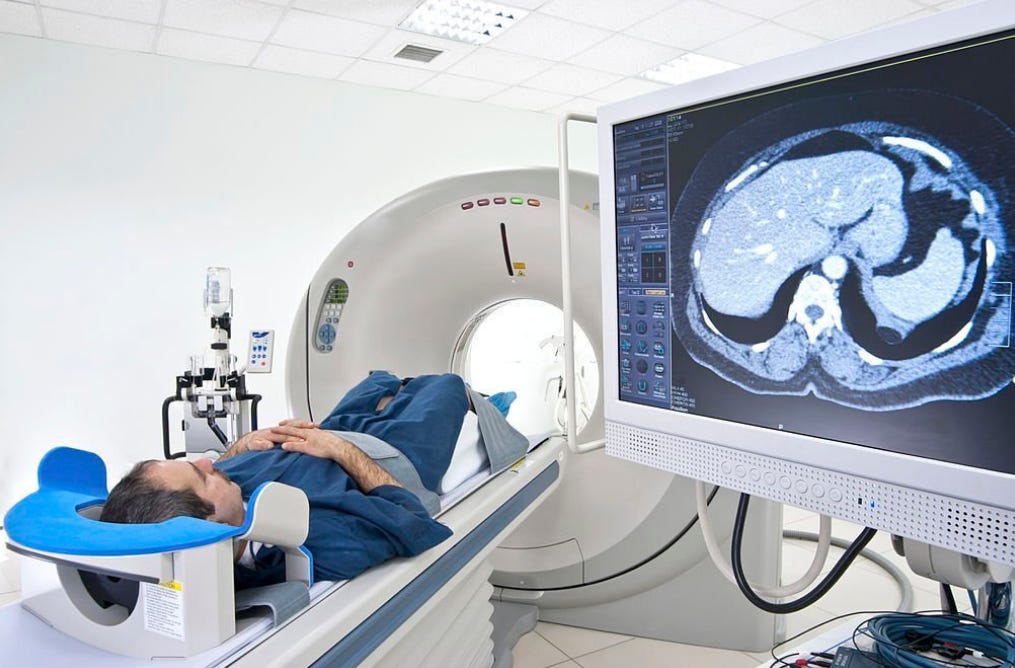
Wukong's Fiery Eyes and Golden Gaze, gained after being refined in Laozi’s alchemical furnace, allow him to see through illusions and recognize demons. This mirrors the functionality of modern CT scans in medicine, which penetrate layers of the human body to reveal internal conditions. Both technologies share a core concept: the ability to perceive underlying truths. While one exposes demons, the other identifies disease, both extending human capacity for discernment.
Computer Tomography (CT)
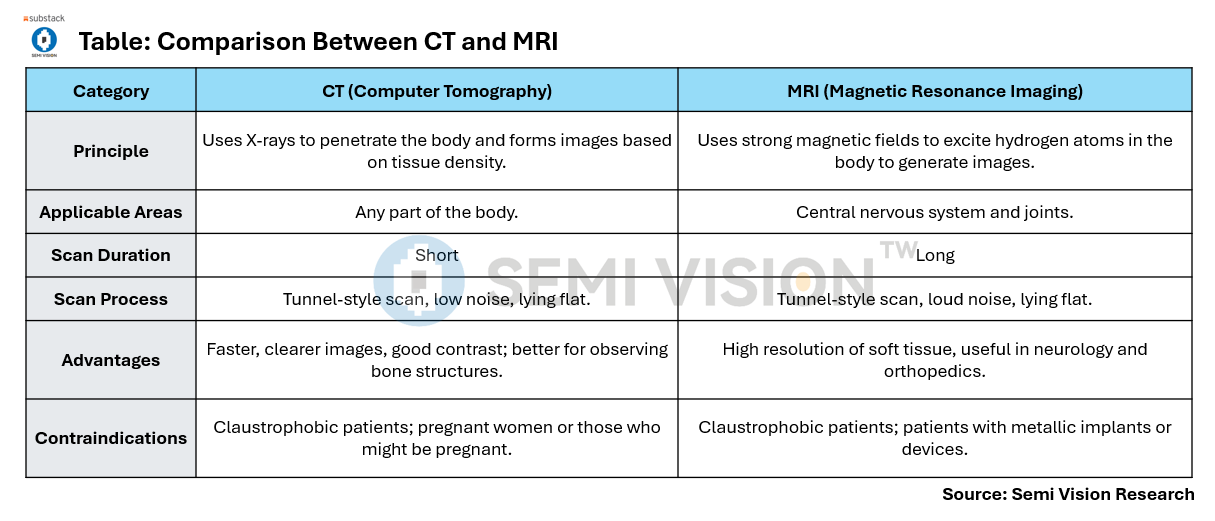
Computer Tomography (CT) uses X-rays to penetrate the body and capture images based on tissue density. These data are then processed by a computer to create detailed cross-sectional images. CT scans can be used to examine any part of the body. During the scan, the patient lies flat and enters the tunnel-shaped scanner. The process generates relatively low noise.
One of the key advantages of CT is its speed—the scan is quick, delivers clear and high-resolution images, and provides precise anatomical details. It is particularly effective in imaging areas with significant differences in tissue density. CT is often used in emergency settings, such as for diagnosing acute trauma cases resulting from major accidents. It is also commonly used for the evaluation and diagnosis of stroke, thoracic, and abdominal organ diseases.
It’s important to note that a contrast agent is often required to clearly visualize internal organs and major blood vessels. For patients with allergies or impaired kidney function, careful assessment is necessary before proceeding.
Magnetic Resonance Imaging (MRI)
MRI (Magnetic Resonance Imaging) works by using a strong magnetic field to excite hydrogen atoms in the body, generating resonance signals that are then processed by a computer to form images. Unlike CT, MRI does not use ionizing radiation from outside the body. Similar to CT, the MRI machine has a tunnel-like structure. Patients must lie flat inside the scanner. However, the procedure is noisier and takes longer, which is something to keep in mind.
MRI excels at imaging blood vessels, soft tissues, muscles, the central nervous system, and joints, all of which contain a high concentration of hydrogen atoms. It produces highly detailed images of these areas and is commonly used in orthopedics and rehabilitation medicine. For example, doctors may use MRI for spinal imaging in severe disc herniation cases or for joint imaging to assess soft tissue injuries caused by sports-related trauma.

Brain MRI: Detection of Brain Tumors and Alzheimer’s Disease
Application Overview:
AI can assist in detecting brain abnormalities such as tumors, hemorrhages, and neurodegeneration by automatically segmenting and analyzing MRI images.
Real-World Examples:
UK-based Qure.ai has developed an AI system capable of rapidly identifying intracranial hemorrhages, supporting quick decision-making in emergency rooms.
Numerous studies have confirmed that AI can aid in the early detection of Alzheimer’s disease by comparing structural MRI images and predicting risk based on brain region changes.
2. Somersault Cloud and Jet Aircraft: The Revolution in Transportation

Wukong’s Somersault Cloud allows him to travel 108,000 miles in a single leap—a metaphor for overcoming spatial limits. Today, jet aircraft, high-speed rail, and even space travel have brought this fantasy into reality. The Somersault Cloud symbolizes the human dream of freedom through speed, a dream now realized in global connectivity and rapid transit.


3. Clairaudience and Far-Sight: The Internet and Information Age
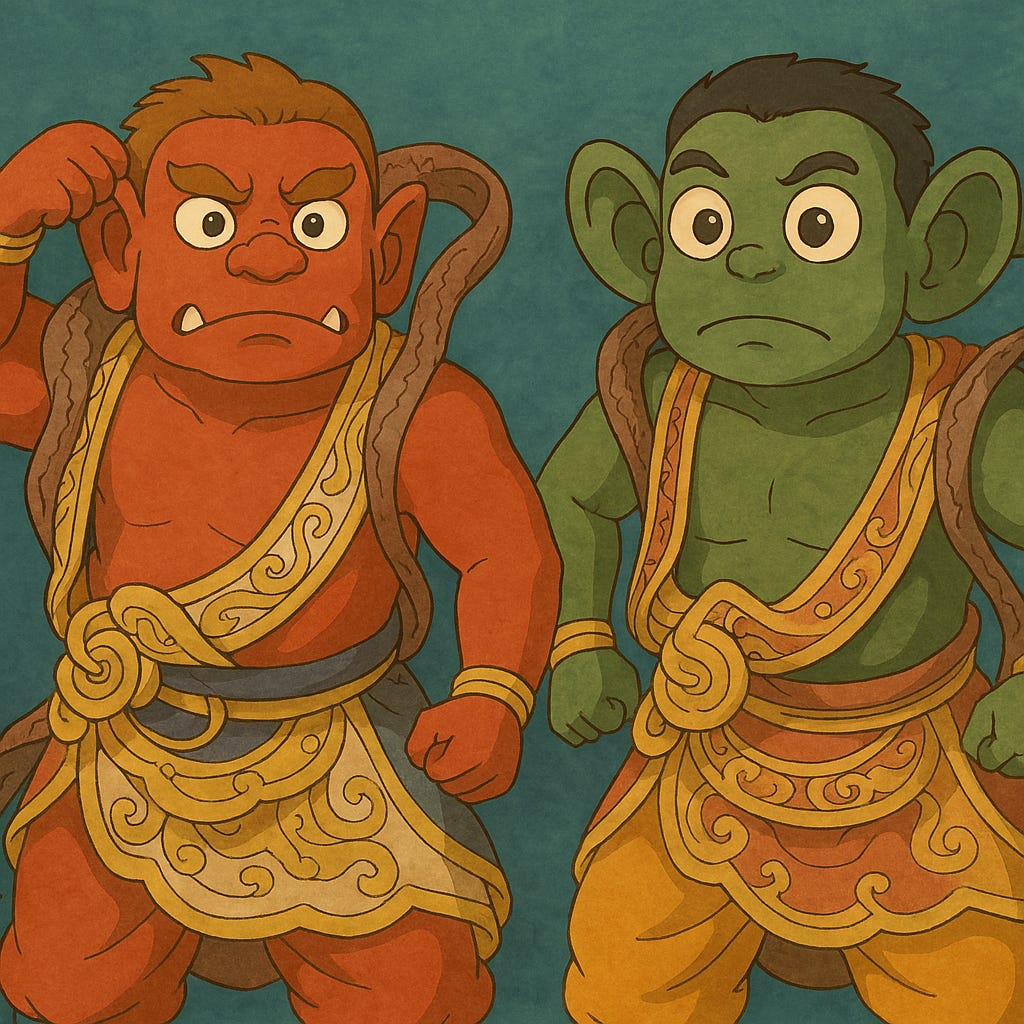
The story features divine beings with clairaudience (hearing over long distances) and far-sight (seeing distant events), which parallel today's internet and communication technologies. Real-time global access through surveillance systems, livestreams, and social media platforms replicate this concept of omnipresence. Clairaudience represents auditory data transmission; far-sight stands for visual data sharing. Together, they form the modern ecosystem of digital connectivity.
Internet users by country world

4. Thousand Hands and Eyes of Guanyin: The Internet of Things (IoT)
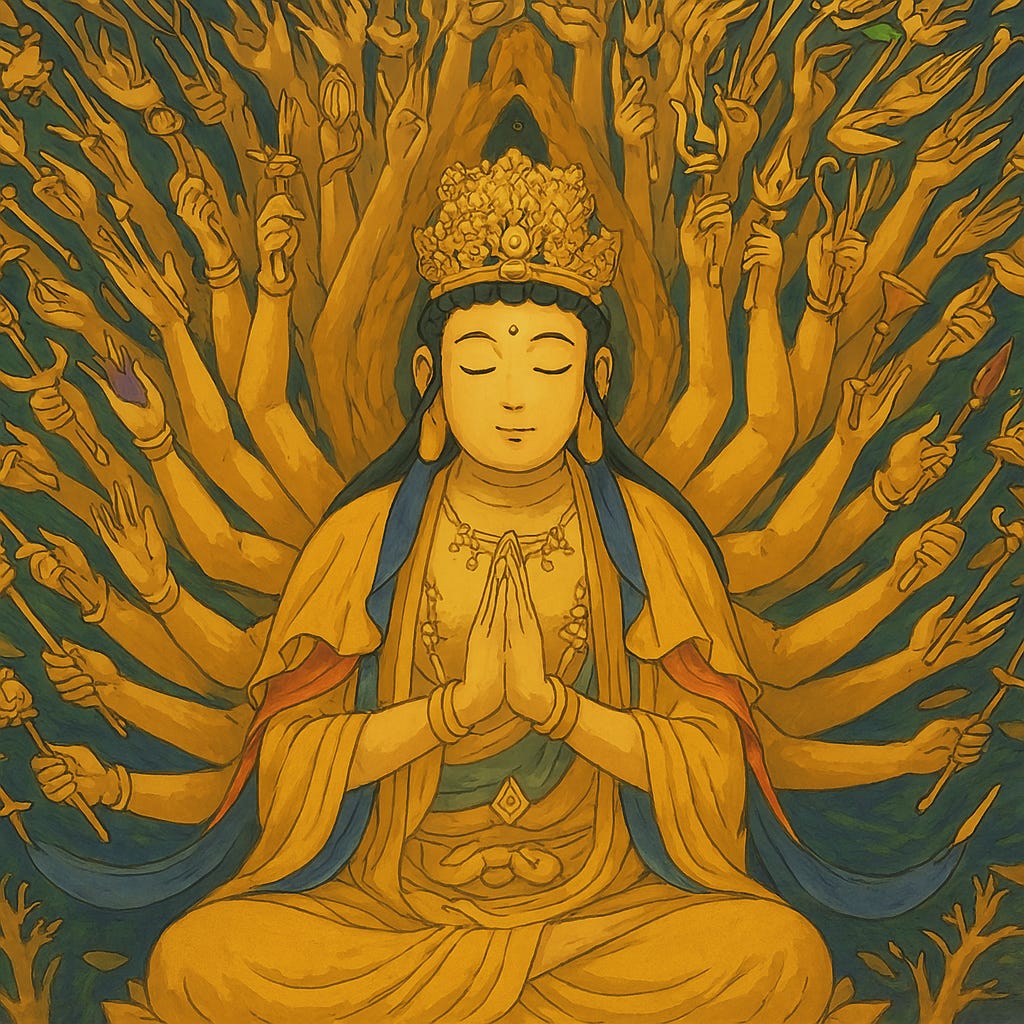
Guanyin Bodhisattva’s thousand hands and eyes symbolize omnipresent perception and action, much like theIoT. Every sensor and device today acts as a "hand" or an "eye," constantly collecting and transmitting data. From smart homes and traffic systems to health monitors and industrial machines, the IoT brings to life this ancient metaphor, making data-aware environments a modern reality.

TheInternet of Things (IoT) refers to a network of physical devices—such as machines, vehicles, appliances, and sensors—that are connected to the Internet, allowing them to collect, share, and respond to data. These devices span across different fields including:
Domestic Life: Smart home appliances, robots, and connected smartphones.
Industry: Logistics systems, industrial robots, and construction machinery.
Infrastructure: Connected vehicles, smart railways, aviation systems, solar panels, ships, and automated pumps.
How IoT and AI Will Work Together
In the future, Artificial Intelligence (AI) will enhance IoT in the following ways:
Smart Decision Making: AI can analyze large volumes of data collected by IoT devices and make real-time decisions (e.g., predictive maintenance in factories or smart traffic control).
Automation: AI algorithms will enable IoT systems to operate more autonomously, reducing the need for human intervention.
Personalization: In smart homes and wearable devices, AI will help deliver personalized experiences based on user behavior.
Efficiency & Energy Saving: AI can optimize resource usage in smart grids, buildings, and transportation systems by learning patterns and adjusting accordingly.
5. Spider Demon's Shape-Shifting: Deepfake and Face-Swapping Technology
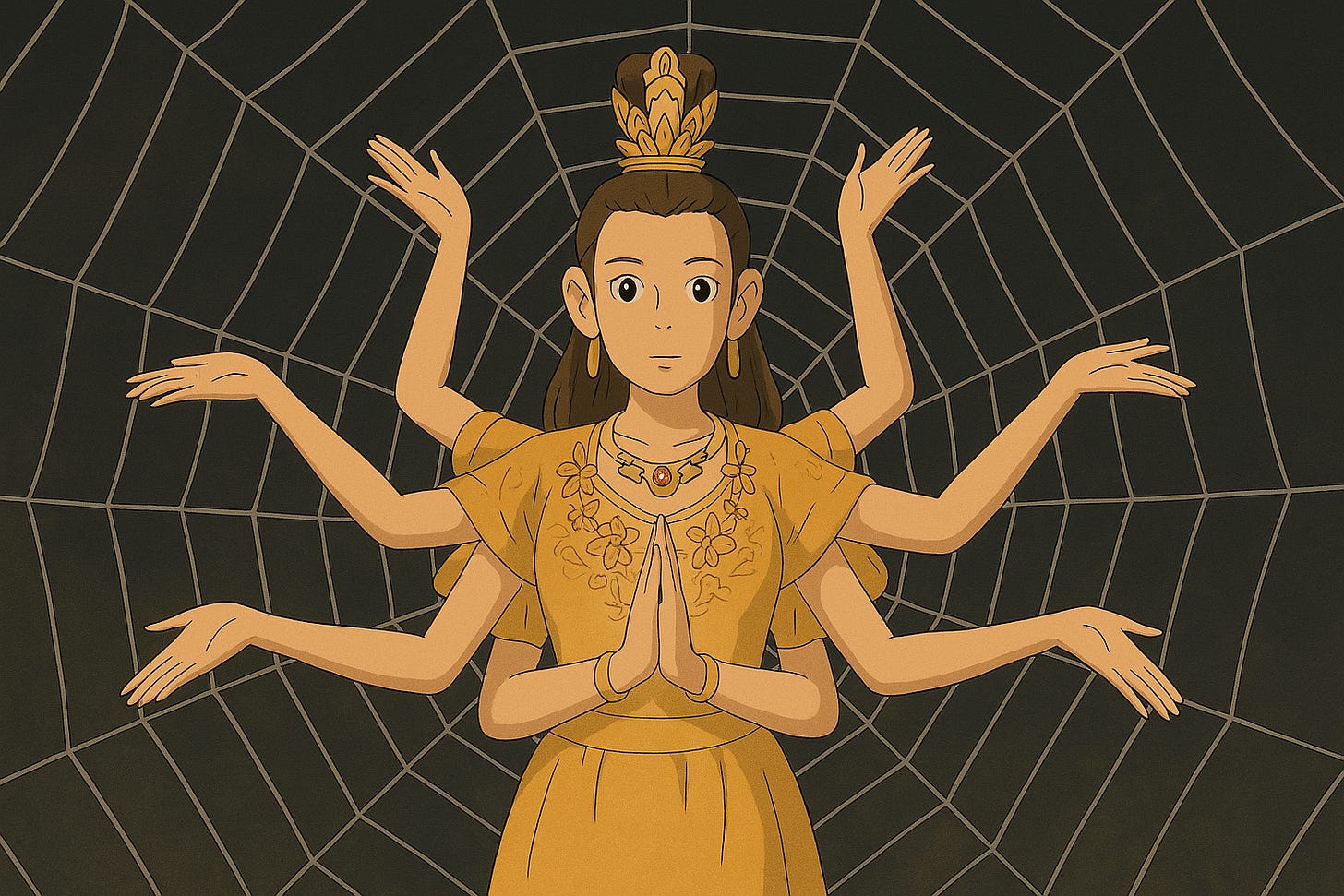
The Spider Demons in the story can morph their appearance to deceive. This mirrors today’sdeepfakeand face-swapping AI, which can convincingly alter visual identity. Although such technology has valuable applications in entertainment and security, it also raises ethical concerns about misinformation. The Spider Demons' illusions highlight the challenges of truth discernment in the digital age.

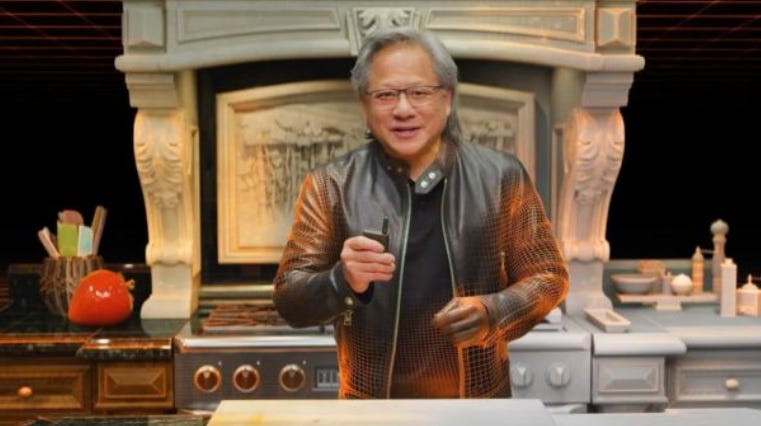
These technological advancements have not only brought numerous positive applications but also sparked unprecedented challenges — one of the most controversial being Deepfake technology. The term "Deepfake" is a combination of "deep learning" and "fake," referring to the use of deep learning techniques to generate synthetic images, videos, or audio. This technology can mimic a person’s facial expressions and voice, creating content of things they never actually said or did, making it difficult for viewers to distinguish between real and fake, and thus leading to confusion and misunderstanding.
When used appropriately, Deepfake technology can deliver significant value. For instance, in theStar Warsfranchise, the late Princess Leia was digitally brought back to life on screen through Deepfake techniques. InFast & Furious, it was used to continue the presence of Paul Walker after his passing. Similarly, at NVIDIA’s GTC21 conference in 2021, the company utilized Deepfake technology to generate parts of CEO Jensen Huang’s keynote speech, showcasing the vast potential of generative AI in marketing video production—streamlining workflows and dramatically reducing costs. Furthermore, the U.S. startup HereAfter AI has leveraged Deepfake to allow people to "converse" with deceased loved ones, presenting a more human-centered application of the technology.
6. Sun Wukong’s Hair-Transformation Trick: The Emergence of AI Agents
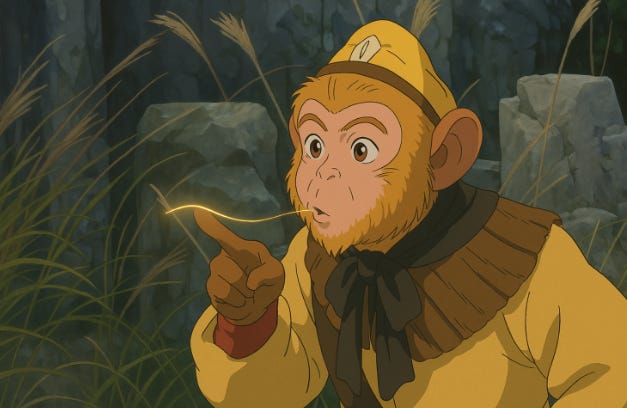
One of Wukong’s signature abilities is transforming hairs into clones that assist in battles or tasks. This directly aligns with the concept ofAI agents: intelligent systems trained to perform tasks across various domains.
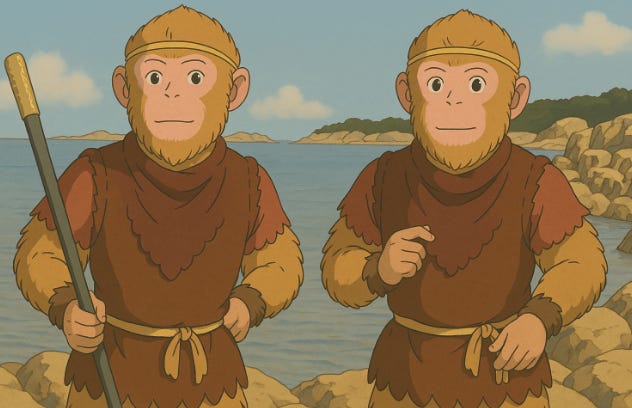
Each AI agent, like a transformed hair, operates independently while reflecting the intelligence of its origin. From automated customer support to personal finance advisors, these tools are the digital age's version of magical duplicates.
As Bill Gates predicts in the image: "In the future, everyone will have a personal AI assistant," this vision is the continuation of the technological allegory inJourney to the West. In the era of the metaverse and smart living, we are all like Tang Sanzang—requiring an AI companion akin to Sun Wukong to guide, protect, and optimize our journey. This AI helper will possess the discerning eye, the speed of the Somersault Cloud, the reach of clairaudience and far-sight, and the detailed perception of a thousand hands and eyes.

7. Sun Wukong Goes to Flaming Mountain: Humanity? About to Land on Mars
Flaming Mountain’s Terrain Resembles Mars — A Symbolic Prelude to Human Exploration

Located in China's Xinjiang region, Flaming Mountain is known for its arid heat, red rock formations, and extreme climate. While it holds literary significance in the classic novelJourney to the West, where it plays a crucial role in Sun Wukong’s adventure, it is also recognized by geologists for its striking resemblance to the Martian landscape. As humanity accelerates its journey to Mars, Flaming Mountain has emerged as both a symbolic and scientific reference point.

Elon Musk, founder of Tesla and SpaceX, recently announced that the company’s humanoid robot, Optimus, is scheduled to land on Mars in 2026 as part of a planned mission. This event marks not only a major milestone in the history of space exploration but also a significant leap in the development of AI-powered robotics.

Experts note that the cracked surface, exposed red rocks, and harsh climate of Flaming Mountain closely mirror the terrain captured in NASA’s images of Mars. Several scientific teams have already used the region as a simulation environment to test rover mobility and robotic operations. From its geographic features to its symbolic resonance, Flaming Mountain seems to foreshadow humanity’s future presence on the Red Planet.

The introduction of Optimus also signals a deepening integration of AI and space technology. Equipped with basic autonomous navigation, environmental perception, remote control functions, and decision-making capabilities, the robot is expected to assist with surface exploration, construction, and maintenance tasks on Mars — significantly reducing the risks for early human missions.
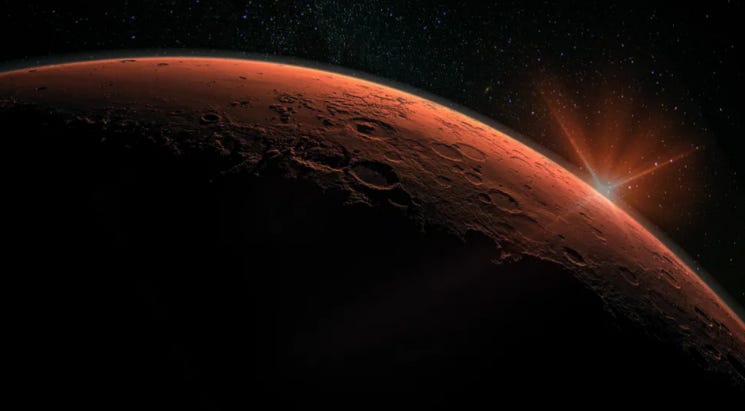
Image credit: Elen11 via Getty Images
Mars, once confined to myth and fiction, is now becoming the next frontier for human ambition and technological achievement. From the legendary Flaming Mountain ofJourney to the Westto the real-world mission to Mars, this journey spanning millennia is rapidly becoming reality.
Mars' atmosphere: Facts about composition and climate
SpaceX's Starship to leave for Mars end of 2026, Musk says
Conclusion: From Myth to Reality, From Imagination to Technology
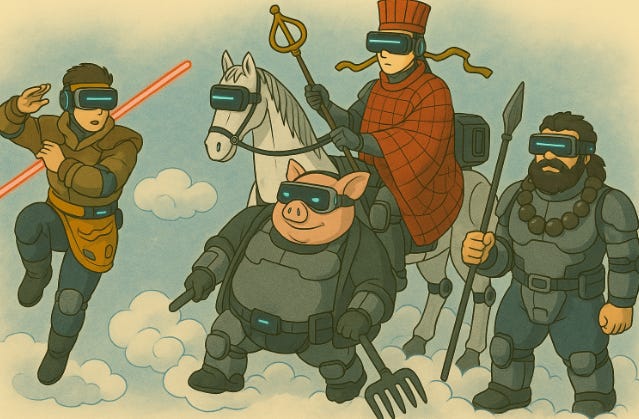
AI won’t replace humanity—it will be our intelligent guardian. Assisting us in navigating information, improving productivity, maintaining health, and unleashing creativity, AI is the modern counterpart to the mythic companion, ensuring that each person can embark safely on their own digital pilgrimage.
Journey to the West may not have been written as a technological prophecy, yet the abilities and tools it describes are increasingly reflected in today’s world. This prompts us to consider: what we once deemed fantasy may simply be a precursor to future technology; and today’s innovations might be the fulfillment of ancient wisdom.
We are traveling a digital pilgrimage paved by mythology and realized through science—a modern journey to the West.
Thanks for reading SEMI VISION! This post is public so feel free to share it.


PreviousNext